Start with your work surface: choose dimmable continuous light that you can soften and position so your hands do not block it unnecessarily. An LED panel is easy to position, while a COB light with a suitable softbox works for a larger setup. A compact light may suit a small or changing workspace. Check the light spread, power supply and included mounting accessories, then make a test recording: a white background and subtle shapes in pale clay do not always need the same lighting.
Who is this video light suitable for?
Pottery teacher with a permanent filming table
You want to keep the work surface and moving hands visible as you explain, and have room for a light with a diffuser or softbox. Canon Europe describes light modifiers such as softboxes for softening and spreading light; Godox describes the Bowens mount on the SL60IIBi.
Maker who wants to show clay colours accurately
You want to show colour choices and subtle differences in shape, so adjustable white balance matters just as much as having a very white background. Adobe explains that white balance affects the colours in an image; Aputure lists an adjustable colour temperature range for the amaran 100x S and 200x S.
Maker with a small or changing workspace
You may need to move your setup or put it away after a lesson, so size, mounting and power supply all matter. NEEWER describes different package options for the NL660; Ulanzi lists compact mounting options for the VL81.
What should you consider when buying?
First, work out how much space you have around the table and how long you’ll be filming at a time. Then choose a lighting setup that shows your hands and clay clearly, rather than focusing only on the background.
| Buying concern |
What should you look for? |
Who is this important to? |
| Visible shapes and hands |
Check whether you can direct the light onto the work surface with a diffuser or suitable softbox, and adjust it separately from the background. |
If I want to keep my hands and small shapes clearly visible while I work, I focus particularly on shadows and how the clay is lit. Around 36% of consumers prioritise visible shapes without distracting hand shadows. |
| Consistent clay colours |
Check whether the colour temperature is adjustable, and match your camera’s white balance to the light you’re using. |
When I’m showing subtle clay colours, I want whites and colours to stay consistent with the chosen lighting settings. Around 29% of consumers give colour consistency top priority. |
| Size and mounting |
Check how much space you’ll need, where you can mount the light and what comes with the version you choose. |
If I need to put the light away after a lesson or work at a small table, I want a mount that suits my setup. Around 21% of consumers prioritise a compact setup that’s easy to put away. |
| Power during the lesson |
Check whether an adapter is included, which batteries are compatible and whether the setup will last for your intended recording time. |
For a long lesson, I want to avoid an interruption because the battery has run out or an adapter is missing. Around 14% of consumers give uninterrupted filming top priority. |
Pitfalls when choosing a video light for pottery lessons
-
Comparing lux figures without considering distance and light modifiers
A figure measured with a reflector at a particular distance does not automatically tell you how bright the light will be once you add a diffuser or softbox. Only compare measurements taken under the same conditions, and assess the complete setup from where you’ll be filming.
You may need a suitable softbox or another light modifier to get the light spread you want; also allow for the space the setup will take up.
-
Assuming the light always comes as a complete kit
According to NEEWER, a stand is only included with the NEEWER NL660 version labelled ‘with Stand’; NP-F batteries are not included. Before buying, check what comes with your chosen version, along with the power supply and connections.
Depending on the version and setup you choose, you may need to buy a stand or compatible battery separately.
-
Making the background white by lighting pale clay more brightly
A brightly lit background can make pale clay and small shapes harder to distinguish. Make a test recording with your hands in shot, then check the background, clay details and white balance separately.
Video light brands worth considering
Godox
The SL60IIBi is a COB light for a permanent setup with a compatible Bowens light modifier.
- Godox lists dimming, mains power and an adjustable range of 2800–6500 K.
- The stated maximum lux figure is measured with the standard reflector at 1 metre; it does not automatically tell you how a softbox will light your work table.
NEEWER
The NL660 panel is adjustable and bi-colour; check what’s included with each package version.
- NEEWER says the light-only version includes a diffuser and mains adapter.
- A stand is included with the separate ‘with Stand’ version. NP-F batteries for wireless use are not included.
amaran
The 100x S and 200x S are bi-colour COB lights for anyone looking to build a setup with a light modifier.
- Aputure lists a range of 2700–6500 K and app control for both models.
- The models have different power outputs and light measurements. The stated measurements depend on factors including distance and whether a reflector is used; they are not an independent test of a pottery lesson setup.
Ulanzi
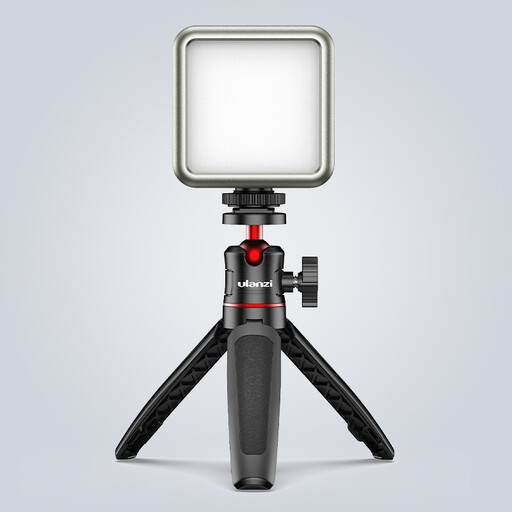
The VL81 is a compact, rechargeable video light for a small or portable workspace.
- Ulanzi lists dimming, a range of 3200–5500 K, a built-in battery, and cold-shoe and 1/4-inch mounts.
- The manufacturer’s specifications do not show that a single VL81 will light an entire filming table evenly.
Joybuy products for a pottery lesson setup
These Joybuy products include compact, portable video lights and COB lights for setups using a suitable light modifier.
 No image available
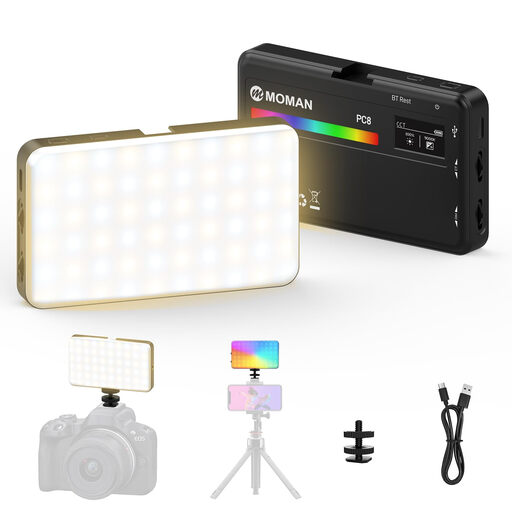
MOMAN PC8 RGB video light
This portable RGB video light is designed for a mobile camera setup; check how the light spreads where you’ll be working with your hands.
View at Joybuy
 No image available
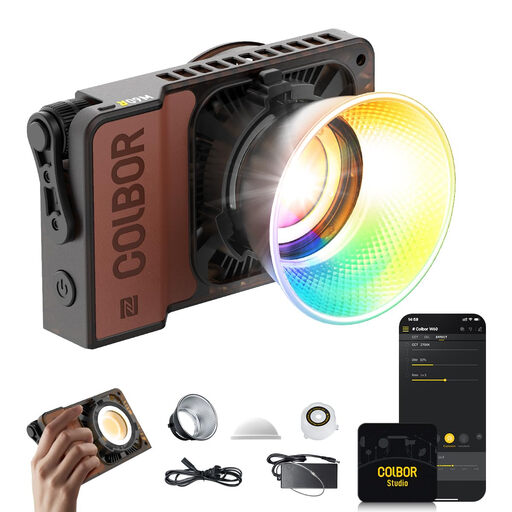
COLBOR W60R 60W RGB continuous light
This portable light may suit a camera setup you need to move around; make a test recording to check how it spreads light across the work surface.
60 W, RGB continuous light and a stated weight of 345 g.
View at Joybuy
 No image available
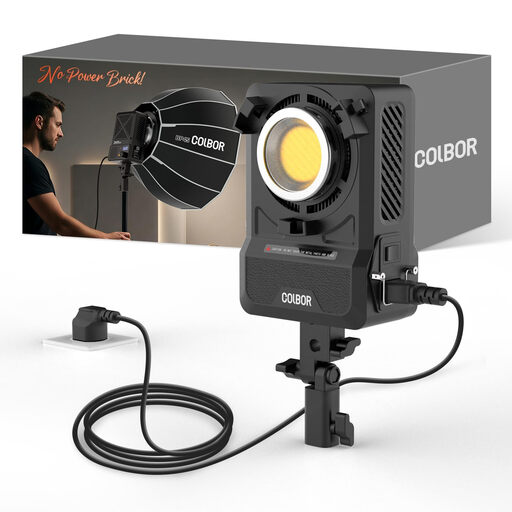
COLBOR 200W COB studio light
This COB light may suit a setup where you use a compatible light modifier; check that your chosen softbox will fit.
200 W, bi-colour setting of 2700–7000 K, Bowens mount and a design with a built-in power adapter.
View at Joybuy
 No image available
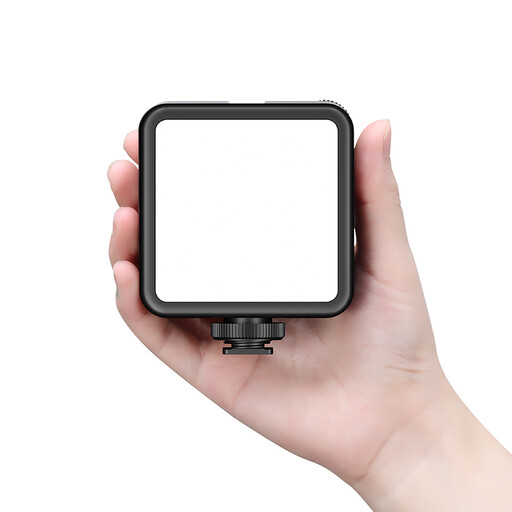
Ulanzi VL81 rechargeable video light, black
This compact light may suit a small or changing workspace. The manufacturer’s specifications do not show that a single VL81 will light an entire filming table evenly.
According to Ulanzi, the VL81 has a built-in battery, dimming, a range of 3200–5500 K, and cold-shoe and 1/4-inch mounts.
View at Joybuy
 No image available
ULANZI VL49 RGB video light with 2000 mAh battery
This compact light may suit a mobile setup; check whether you can use the magnetic back where you want to position it.
RGB, dimmable, 2500–9500 K, a 2000 mAh battery and a magnetic back.
View at Joybuy
Frequently asked questions
Should I make the white background as bright as possible?
No. First, make a test recording that shows both the work surface and the background, then adjust them separately if your setup allows. Canon Europe describes lighting the background separately from the subject in high-key portraits; the flash settings shown are not directly applicable to continuous video lights or clay.
How can I stop white paper and clay from looking different in colour?
Choose your lighting settings, match your camera’s white balance to them, and make another test recording if the ambient light changes. Adobe explains that white balance affects both white and the other colours in an image.
What should I check when choosing a video light?
Check what’s included with the exact version you’ve chosen, and make sure the light, diffuser or softbox and stand are compatible with one another. For the NEEWER NL660, the manufacturer says a stand is only included with the ‘with Stand’ version; NP-F batteries are not included.
Is a CE logo an independent quality mark for good video lighting?
No. CE marking is required for products covered by the relevant harmonised EU rules; the manufacturer uses it to declare that the product meets those requirements. Dutch government guidance emphasises that CE is not a quality mark. Check the product and seller information for the specific light and power supply: a CE logo does not mean that the colour rendering or light distribution is suitable for your setup.
Can I try out a light bought online and return it?
For most online consumer purchases, you usually have 14 days from delivery to change your mind. ACM ConsuWijzer also describes exceptions, so check which terms apply to your purchase.


