For a clay lesson, choose a light you can direct and dim, and soften it so your hands have room to move freely. An LED panel is a straightforward option for a compact workbench. A COB light with a suitable softbox gives you another way to shape the light, but you’ll need space for the light, modifier and stand. Record a test clip of your work surface and check the colour, shadows and any fan noise in your own setup.
Who is this guide for?
Maker filming their hands from above
You want the shape of the clay and your hand movements to remain visible, so the position and softness of the light matter as well as its brightness. Adobe Stock Contributor explains how a larger light source can produce softer light.
Teacher explaining the colour of clay
You want consistent, usable colours across successive recordings, so pay attention to adjustable colour temperature and your camera’s white balance. NEEWER and Elgato describe adjustable colour temperature for the models mentioned.
Maker with a small home studio
You need to fit the light and its mount around a busy workbench, and you may be speaking while you explain. Mounting options and the stated cooling method may therefore affect your choice; NEEWER, amaran and Elgato provide information about these features for specific models.
What should you look for when buying?
When recording a clay lesson at home, shadows, clay colour, workspace and spoken explanations all play a different part in choosing a light.
| What to consider |
What to look for when buying |
Who should pay extra attention? |
| Hand shadows and the shape of the clay |
Check whether the light comes with a diffuser or suitable softbox, whether you can direct it, and whether the stand leaves enough room for your hands. Record a test clip while you work with the clay. |
If I film from above, I want to make sure my hands don’t keep hiding the details. Around 33% of consumers give visibility of their hands and work surface top priority. |
| Colour and consistency |
Check the stated colour temperature range and set your camera’s white balance for the recording location. |
When I explain the colour of clay, I want to limit differences between recordings and show the material clearly. Around 27% of consumers prioritise clay colour and consistency. |
| Space and mounting |
Measure the edge of your desk, the required light height and the space you need to move freely. Check whether your chosen version includes a clamp or stand. |
With a busy workbench, I want to position the light without it getting in the way of my camera, tools or hand movements. Space and mounting are the top priority for around 20% of consumers. |
| Spoken explanations and session length |
Check the cooling method and power supply for the version you’re considering, and record an audio clip using your own microphone. |
If I’m recording an explanation or filming for a longer session, I want to know whether the light’s noise will be picked up and whether its power supply suits my session. Around 20% of consumers prioritise recording noise and a suitable power supply. |
Common buying mistakes
-
Choosing based only on the highest lux figure
A brightness figure measured with a reflector at one metre doesn’t automatically tell you how much light will reach your work surface when you use a softbox.
Compare the measuring distance and the light modifier used, and record a test clip where you’ll be filming the clay. Godox and amaran state the measuring conditions for the light modifiers mentioned.
A complete setup may require a suitable light modifier and stand as well as the light itself.
-
Assuming every panel comes as a complete kit
According to the manufacturer, the NEEWER NL660 is available with or without a stand; NP-F batteries are not included.
Check the contents of the exact version you choose to make sure the mount and power supply suit your setup.
Depending on the version you choose, you may need to buy a separate stand or NP-F battery.
-
Expecting a bare COB light to give soft light
A bare point source doesn’t produce the same light as a setup with a larger softbox. Adobe Stock Contributor explains that a larger light source can produce softer light.
Check the connection and assess the complete setup, including the position of the light and modifier, before filming.
Brands to consider
NEEWER
The NL660 is a bi-colour LED panel with a diffuser, designed as a directional light for a workbench.
- NEEWER states that the NL660 is dimmable and has a colour temperature of 3200–5600 K.
- The manufacturer describes the light as having no cooling fan.
- Versions are available with or without a stand; NP-F batteries are not included.
Godox
The SL60IIBi is a bi-colour COB light for use with a suitable Bowens mount modifier.
- Godox states that it has a colour temperature of 2800–6500 K and is dimmable.
- The manufacturer specifies Bowens compatibility.
- The stated 25.100 lux at one metre is measured with the standard reflector, not with a softbox or automatically at the clay work surface.
Elgato
The Key Light Air MK.2 is a compact panel supplied with a desk clamp for a small setup.
- Elgato states that it has a colour temperature of 2900–7000 K and a clamp for most desks up to 6 cm thick.
- The stated light output depends on the power supply.
- Check whether the mounting height of 60–88 cm will give you the light you want on your work surface.
amaran
The 100x S is a bi-colour Bowens point source for makers who want to create a larger, softer light source themselves.
- amaran specifies a colour temperature of 2700–6500 K.
- The light has active cooling.
- The manufacturer measures a difference between the bare light and the supplied reflector; these figures don’t automatically predict the result with a separate softbox.
Joybuy products for video lighting
This selection includes COB studio lights and compact supplementary video lights for filming. Before buying, check that the specific version sold in the Netherlands carries the applicable CE marking; the NVWA states that this is required for electrical consumer products placed on the market in the Netherlands.
 No image available
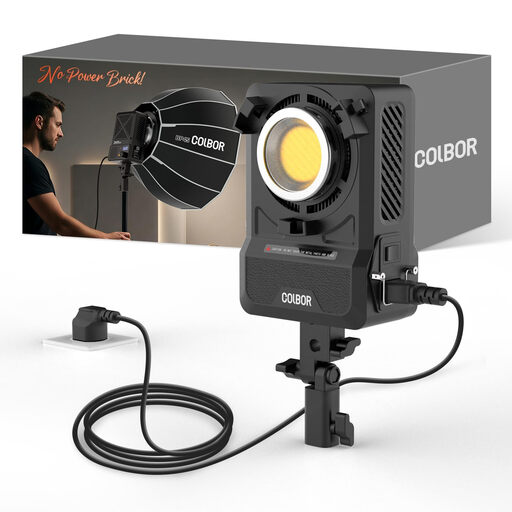
COLBOR 200W bi-colour COB video light
An option to consider if you want to set up a COB light with a separately chosen modifier.
200 W; bi-colour 2700–7000 K; Bowens mount; built-in power adapter according to the product name and description.
Check which softbox and stand will suit your setup.
View at Joybuy
 No image available
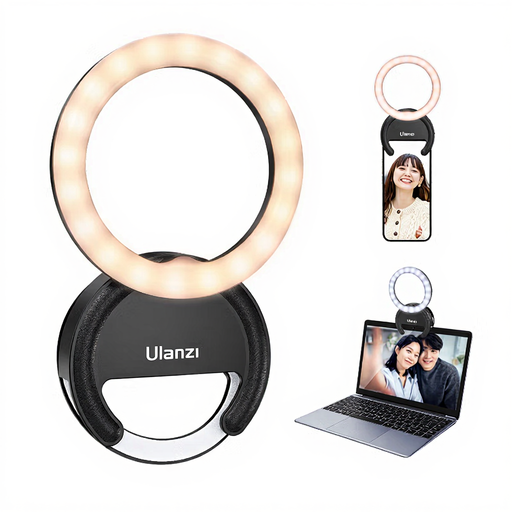
ULANZI 4-inch phone ring light
A compact ring light to consider for smartphone videos. From your camera’s position, check that it lights both the work surface and your moving hands effectively.
4 inches; three colour temperatures from 3000–7000 K; five brightness levels according to the product name.
View at Joybuy
 No image available
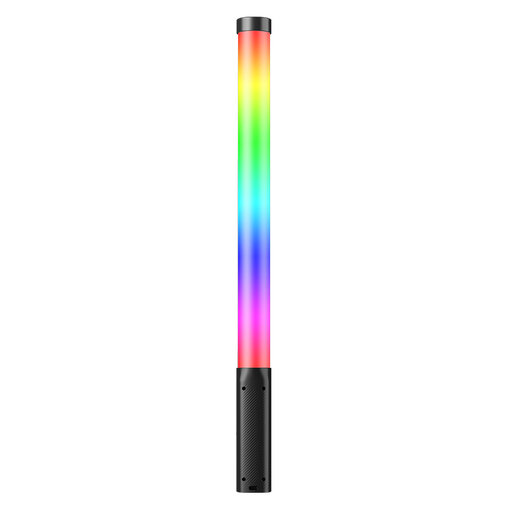
Ulanzi VL119 10W RGB light wand
This portable light wand is worth considering if you want to position additional lighting. Record a test clip to assess how the light falls on your clay work surface.
10 W; RGB according to the product name.
View at Joybuy
 No image available
Ulanzi LM001 mini LED light
A small supplementary light to consider if you want to position extra lighting alongside your main light.
Mini fill light; magnetic mount; 500 mAh battery according to the product name.
Check that the mount will work where you want to use the light.
View at Joybuy
 No image available
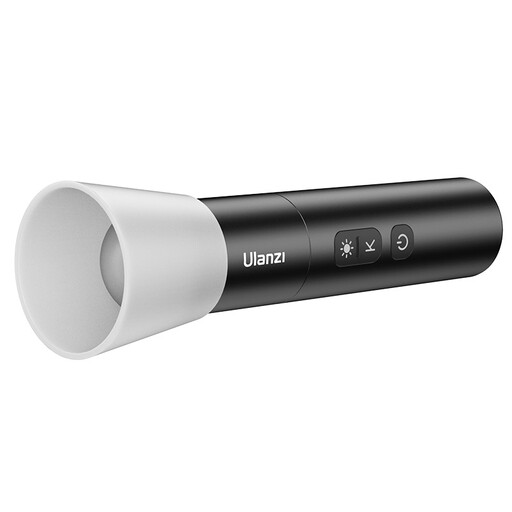
Ulanzi LM07 bi-colour LED video light
A portable video light to consider when you want to adjust supplementary lighting. Check how the light falls on the clay from your camera’s position.
Bi-colour 2000–5500 K; four brightness levels; 2000 mAh battery; 187 g according to the product name.
View at Joybuy
Frequently asked questions
Do you need a ring light for a clay lesson?
Not necessarily. The main thing is to check that the light reaches both the clay work surface and your moving hands. A directional panel or a light with a modifier is another option; a test clip from your camera’s position will help you assess the lighting.
How should you set up the light for a clay lesson?
Position the light so your hands don’t cover important details, and soften harsh shadows with a diffuser or suitable softbox. Check the result from your camera’s position and set the white balance for the light in that spot.
What should you consider when using and cleaning the light?
Keep the light and power supply away from your clay work area, and follow the instructions for your specific model on ventilation and cleaning. Once it’s mounted, check that the stand or clamp remains stable while you work at the table.
Is CE marking compulsory for an electrical video light in the Netherlands?
The NVWA states that CE marking is compulsory for electrical consumer products placed on the market in the Netherlands. Check the applicable marking for the specific version sold in the Netherlands; a general model specification doesn’t confirm it.
Do your rights end after two years of the manufacturer’s warranty?
No. According to ACM ConsuWijzer, Dutch statutory warranty has no fixed term: what you could reasonably expect from the product and normal use are what matter. Discuss any fault with the seller.


