
Vandaag of morgen in huis

Kwaliteit gegarandeerd

Welkomstaanbiedingen ontgrendelen: GRATIS bezorging | Tot 80% korting | Gratis 30 dagen JoyPlus-proefperiode
Download de app
As a new or expecting parent, a reliable video baby monitor is essential for peace of mind. But the market is flooded with models promising the world. Many of these promises lead to frustration and unnecessary expense. As a Joybuy Product Recommendation Officer, I'll help you cut through the marketing noise and make a choice that fits your unique situation. Let's break down the three most common pitfalls.
A smart baby monitor with app integration and AI features sounds appealing. What manufacturers often fail to mention is that the most valuable features—like sleep analytics, video clip storage, or even advanced notifications—are locked behind a monthly or annual subscription. This means you're not just paying for the device, but for its ongoing use.
A Wi-Fi baby monitor offers the advantage of letting you check in from anywhere in the world via a baby monitor with an app. The downside is that its stability is entirely dependent on your home network. A glitchy router means a glitchy baby monitor. Even more critical is the privacy risk. A poorly secured network can be an open door for unwanted viewers.
Nearly every video baby monitor advertises night vision capabilities. However, the quality of this night vision varies dramatically. Cheaper models often deliver a grainy, unclear image where you can barely tell if your baby's eyes are open or closed. A high-quality infrared sensor is crucial for getting clear visuals in a completely dark room.
To avoid buyer's remorse, focus on the specs that truly matter. These are the objective criteria that determine whether a baby monitor is reliable and practical.
This is the most critical choice you'll make and depends on your priorities: flexibility or security.
Look beyond just the resolution (HD or 1080p). A good infrared sensor for clear night vision is a must. Additionally, two features are indispensable for daily use:
Some extras are more than just a gimmick. A baby monitor with a temperature sensor helps you keep the sleeping environment comfortable and safe. LED lights on the parent unit that indicate sound levels are useful when you have the volume turned down but still want a visual cue that your baby is making noise.
Below is a selection of products tailored to different needs and situations. These recommendations are based on objective product specifications.
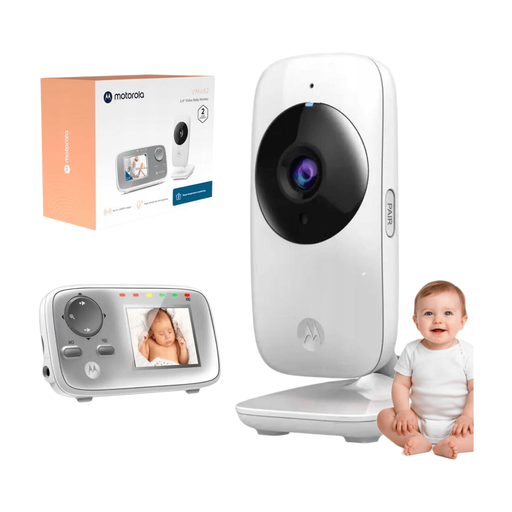
Why This Fits Their Persona: Perfect for those who want a reliable, direct connection without relying on Wi-Fi. Ideal for home use, at the babysitter's, or for grandparents who want a simple and secure system.
This model uses a 2.4 GHz FHSS connection, completely separate from the internet. No subscription fees, no worries about Wi-Fi outages or privacy.
Interference-free and secure connection; Infrared night vision and temperature display on the parent unit; Ready to use right out of the box.
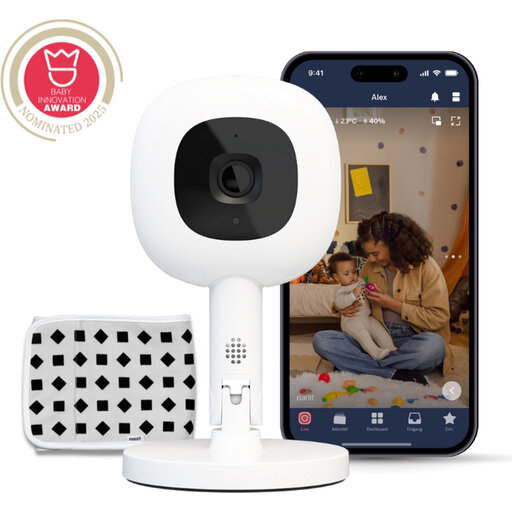
Why This Fits Their Persona: For the parent who wants to use data and insights to improve their baby's sleep. It offers remote access and advanced notifications, wherever you are.
Although the most advanced features require a subscription, Nanit provides a highly secure connection (256-bit AES encryption) and basic functions continue to work even if the internet goes down.
Sensor-free breathing motion monitoring (with the included band); Crystal-clear 1080p HD video and two-way audio; Smart alerts for sound and motion.
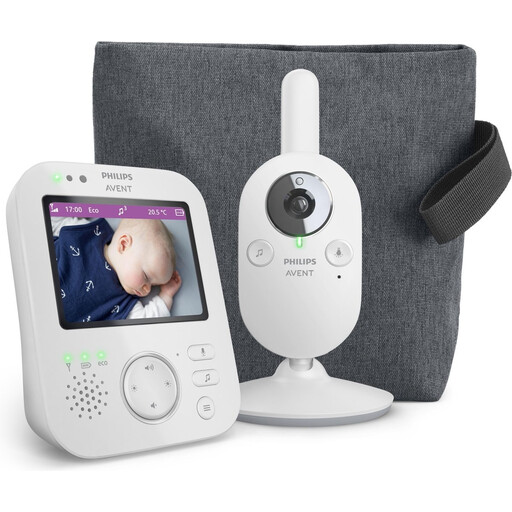
Why This Fits Their Persona: For those seeking a reliable device from a trusted brand that focuses on core functionality. This Philips Avent baby monitor combines a secure connection with ease of use and a clear screen.
This model focuses on an interference-free private connection, avoiding the complexity and subscription costs of Wi-Fi models. The ECO mode is a practical feature that saves power.
Unique handset pairing for a secure connection; Clear 3.5-inch color screen with night vision and zoom; Two-way talk and lullabies.
We have compiled a complete, up-to-date list of products that fully meet these strict selection criteria and safety standards.
The security of a Wi-Fi baby monitor depends heavily on two factors: the manufacturer's security measures and your own home network. Choose brands that use strong encryption (like 256-bit AES) and ensure your Wi-Fi network is protected with a strong, unique password. A non-Wi-Fi baby monitor (with FHSS technology) is inherently more secure because it doesn't connect to the internet and forms a closed-loop system.
A Wi-Fi baby monitor theoretically has unlimited range, as long as your phone and the camera both have an internet connection. A non-Wi-Fi (FHSS) monitor has a limited range, typically between 250 and 300 meters in an open space. Indoors, this range is reduced by walls and ceilings, often to around 50 meters. This is more than sufficient for most homes.
This depends on your personal preference. A temperature sensor is a very practical feature that helps you monitor a safe sleeping environment. Lullabies and a two-way talk feature can be useful for calming your baby remotely. Features like breathing or sleep analytics are more advanced and primarily useful for parents who want extra reassurance or insight. Decide in advance which features are essential for you to avoid paying for extras you won't use.
