
Vandaag of morgen in huis

Kwaliteit gegarandeerd

Welkomstaanbiedingen ontgrendelen: GRATIS bezorging | Tot 80% korting | Gratis 30 dagen JoyPlus-proefperiode
Download de app
The term 'vermicelli' can be confusing. In the supermarket, you'll find thin noodles made from rice, mung beans or even sweet potato, all under a similar name. Many home cooks grab the first pack they see, resulting in a mushy stir-fry or noodles that fall apart in soup. This happens because not all vermicelli is the same.
Choosing the wrong type is a common pitfall. Another is blindly following a recipe without considering the type of noodle you have on hand. The preparation method—soaking or boiling—and the cooking time are crucial for the texture. A mistake here can ruin your dish. Let's clear things up so you can always choose the right noodle for your meal.
Before you add a pack of noodles to your cart, there are two specifications that make the difference between a successful dish and a disappointment.
The base ingredient determines the texture, flavour and what the noodle is best suited to. This is the most important factor to consider.
The thickness of the vermicelli directly affects the cooking time and the texture in the dish.
Below are some popular choices, matched to specific preferences and dishes.

Why This Fits Their Persona: If you love hot pot, you need noodles that don't turn into a mushy mess after a few minutes in the broth. These sweet potato noodles are specifically made for this type of dish.
This product avoids the 'one-size-fits-all' noodle pitfall. The base of sweet potato starch ensures a chewy, elastic texture that perfectly withstands the heat of a hot pot.
Maintains a firm and chewy bite, even after long cooking. Naturally gluten-free and fat-free.
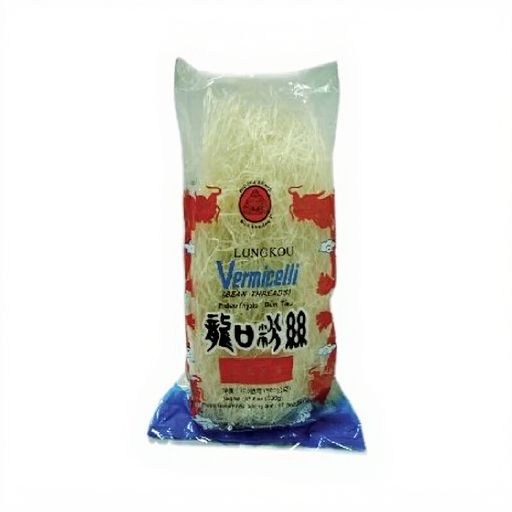
Why This Fits Their Persona: This is the classic glass noodle that deserves a permanent spot in every pantry. Ideal for those who love to experiment with various Asian dishes, from salads to soups and stir-fries.
By choosing a noodle based on mung bean, pea, and corn starch, you know you're getting a resilient texture that won't turn mushy in a stir-fry, unlike delicate rice vermicelli.
Very versatile in use and maintains a good, springy bite. Gluten-free and without additives.
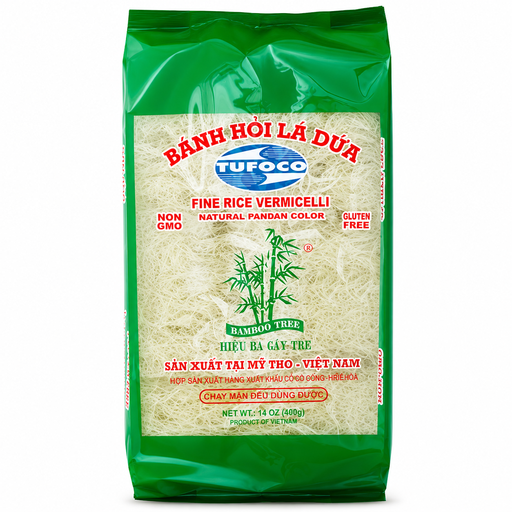
Why This Fits Their Persona: If you want to replicate the authentic taste and texture of Vietnamese dishes like Bún (noodle salad) or fresh spring rolls, a specific, fine rice noodle is essential.
This is a specific fine rice vermicelli, not a generic glass noodle. Using this prevents the wrong texture that occurs when a noodle that is too firm is used in delicate dishes.
Extra fine and delicate texture that absorbs sauces well. Naturally coloured with pandan leaf for a subtle, authentic flavour.
By paying attention to the raw material and thickness, you can always make an informed choice. Check out our full range for more varieties that meet these criteria.
The main difference is the raw material. Rice vermicelli is made from rice flour and has a soft, delicate texture. Glass noodles are made from mung bean starch (or sometimes other starches like sweet potato) and have a springy, chewy and transparent texture after cooking. The choice depends on the dish: rice vermicelli for light soups and salads, glass noodles for stir-fries and hot pot.
Not always. The preparation method depends on the type and thickness. Very fine rice vermicelli often only needs to be soaked in hot (not boiling) water for a few minutes until soft. Thicker noodles, like those made from sweet potato, do need to be boiled. Always read the instructions on the package for the best results.
Most vermicelli made from rice, mung beans, sweet potato or tapioca starch are naturally gluten-free. This makes them an excellent alternative to traditional wheat-based pasta. However, always check the ingredient list on the packaging. Sometimes, other starches or flours are added that may contain gluten, such as the Bai Xiang product which contains wheat flour.
