
Vandaag of morgen in huis

Kwaliteit gegarandeerd

Welkomstaanbiedingen ontgrendelen: GRATIS bezorging | Tot 80% korting | Gratis 30 dagen JoyPlus-proefperiode
Download de app
Buying vegetarian snacks seems simple—until you start comparing labels. Packaging that says “vegetarian meat,” “high in protein” or “healthy snack” does not automatically tell you anything about the nutritional value, ingredients or suitability for a vegan diet. Asian vegetarian snacks in particular can vary considerably in flavour, texture and salt content.
This practical guide explains what to look for and which ready-to-eat vegetarian snacks may suit your eating occasion.
A snack may be made from soy or wheat and still contain ingredients that are not suitable for a vegan diet. Always check the complete ingredients list and, where relevant, look for a clear vegan label. Also pay attention to allergens such as soy, wheat, gluten, sesame, milk and nuts.
For example, MadeGood B’Day Cake Drizzled Granola Bar is described as vegan and dairy-free. Hero Coconut Muesli Bar, on the other hand, contains milk chocolate and is therefore not vegan.
Compare the protein content per 100 grams, rather than relying only on the marketing on the front of the pack. According to the product information, HAO BA SHI Konjac Snack contains just 0.2 grams of protein per 100 grams. This makes it particularly appealing for its texture and low energy content—not as a source of protein.
Other vegetarian meat snacks perform considerably better in this respect. Wuxianzhai Sichuan Style Vegetarian Meat, for example, contains 24.8 grams of protein per 100 grams, while Wuxianzhai Fresh Pepper Vegetarian Meat lists 22.5 grams.
Spicy vegetarian snacks, Sichuan snacks and soy-based snacks often use soy sauce, salt, spices and flavour enhancers. This does not have to be a problem if you take it into account, but compare the salt content before buying multiple portions.
Salt levels vary across the range. Jin Zai Roasted Tofu Snack lists 3.1 grams of salt per 100 grams. Be&Cheery Hand-Shredded Vegetarian Meat Barbecue Flavor lists 4.6 grams of salt per 100 grams. So do not focus only on calories or protein.
When choosing soy- or seitan-based snacks, check whether you need or want to avoid particular allergens. Seitan and wheat gluten often provide a firm, fibrous bite, but are not suitable for people with a gluten allergy or coeliac disease. Soy products are likewise unsuitable for anyone with a soy allergy.
The name “Roasted Gluten-Free 150g” deserves extra scrutiny: the available product information lists “gluten” as an ingredient. Do not rely solely on the product name; always check the packaging and the current ingredients list.
Use the nutrition table to compare products fairly:
Nutritional values per 100 grams make comparisons easier, but also consider how much you actually eat.
Many of these snacks are ready to eat. That makes them convenient for travel, the office or a long day of studying. After opening, some products must be refrigerated and consumed promptly. Also check the best-before date on the packaging, as it may vary by production batch.
Individually wrapped products, such as Jin Zai Roasted Tofu Snack and HAO BA SHI Konjac Snack, are practical for a bag or lunchbox. Larger packs, such as Wu Chung Roasted Vegetarian Chicken 290g, are better suited as a side dish or an addition to a quick meal.
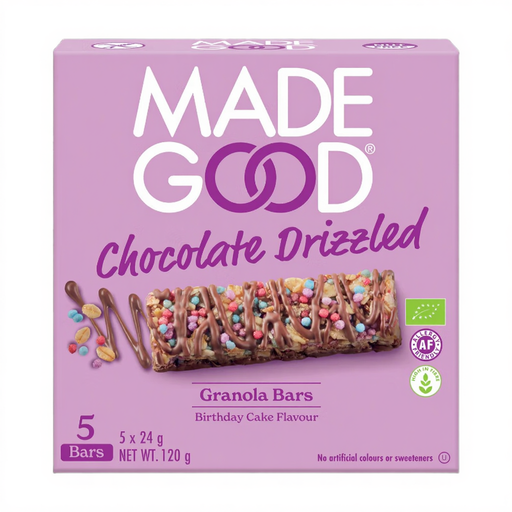
Why This Fits Their Persona: An accessible choice for students, office workers and people on the go. The bars are individually wrapped and, according to the product information, vegan and organic.
The product information explicitly states that it is vegan and dairy-free. Still, check the current packaging and note the sugar content of 26 grams per 100 grams.
Vegan and organic according to the product description, individually wrapped, and containing 5 grams of fibre per 100 grams.
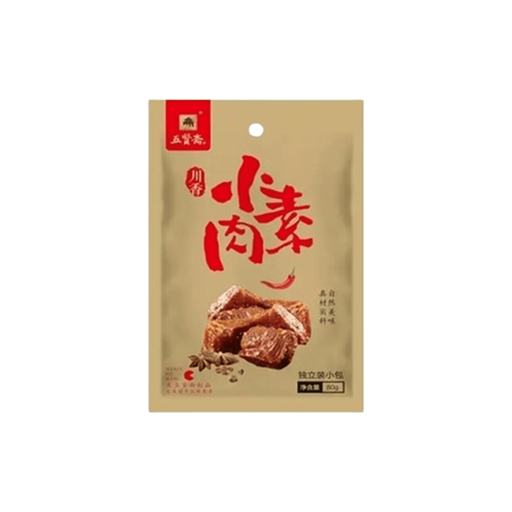
Why This Fits Their Persona: Ideal for anyone looking for a firm texture and Sichuan-style seasoning. This snack works well with drinks, noodle dishes or a rice-based meal.
The protein content is clearly listed per 100 grams. At the same time, the salt content is 2.63 grams per 100 grams, so portion control remains advisable.
24.8 grams of protein per 100 grams; ready to eat and made with wheat gluten.
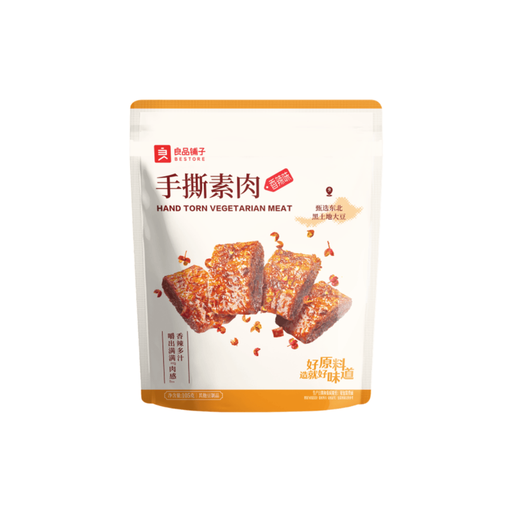
Why This Fits Their Persona: The pack contains seven small portions, making it convenient for sharing or planning multiple snack breaks. Chilli and cumin create a bold, distinctive flavour.
The individual portions make it easier to keep track of how much you are eating. Check for soy and wheat, and bear in mind the salt content of 2.2 grams per 100 grams.
20 grams of protein per 100 grams; seven small packs and ready to eat.
Explore a current selection of vegetarian protein snacks and compare flavour, ingredients, portion sizes and nutritional values before ordering.
Individually wrapped snacks are the most practical option. Consider Jin Zai Roasted Tofu Snack, HAO BA SHI Konjac Snack or MadeGood granola bars. Check in advance whether the product needs to be refrigerated after opening. An unopened snack that can be stored at room temperature is generally more convenient for a bag or desk drawer.
No. Protein content varies by recipe. Snacks made with soy, wheat gluten or textured plant protein often contain more protein than konjac or sweet granola snacks, but always check the nutrition table. “Vegetarian meat” primarily describes the style or texture; it does not guarantee a specific protein content.
Not automatically. Many products use soy, wheat gluten and vegetable oil, but some may contain ingredients or allergens that do not suit your preferences. Check the vegan label, ingredients list and allergen information on the current packaging before ordering.
