
Vandaag of morgen in huis

Kwaliteit gegarandeerd

Welkomstaanbiedingen ontgrendelen: GRATIS bezorging | Tot 80% korting | Gratis 30 dagen JoyPlus-proefperiode
Download de app
When you’re looking for vegetarian snacks, you’ll come across plenty of products online with names like “steak”, “beef” and “meat-like”. These descriptions mainly tell you about the shape, texture or flavour. They don’t automatically reveal how much soya, wheat, protein, salt or oil a snack contains. So for vegetarians, vegans and fans of Chinese snacks, it’s wise to look beyond the front of the packet.
The right choice depends on the occasion: are you after small portions for on the go, tofu snacks to share, a spicy snack to accompany a meal, or vegetarian BBQ snacks for a barbecue? With the checklist below, you can avoid a disappointing purchase.
A snack might appear entirely plant-based, but still contain allergens that matter to you. Many snacks made from soya or wheat contain gluten, for example through wheat gluten, wheat flour or soya sauce made with wheat. So always check the ingredients list and allergen information.
The product details should make it clear whether soya, wheat, sesame or other allergens are present. If there’s no explicit vegan label on the packaging, don’t rely solely on a name like “vegetarian beef” or “vegetarian steak”.
High-protein snacks are usually compared based on their nutritional values per 100g. That’s handy, but an individual portion can be much smaller. For example, the Yan Jin Pu Zi Vegan Steak contains 16.7g of protein per 100g, but one sachet weighs just 18g. So the actual amount of protein per sachet is lower than the figure on the front might suggest.
Also look at fat, carbohydrates and salt. A snack with 20g of protein per 100g can at the same time be relatively high in salt. For instance, Hao Ba Shi Vegetarian Beef Steak lists 20g of protein and 3.1g of salt per 100g.
“Spicy”, “mala”, Sichuan pepper, BBQ and black pepper can mean very different flavour profiles. Mala combines chilli with a tingling sensation from Sichuan pepper. A BBQ flavour is often smoky, savoury or slightly sweet, while black pepper tends to be more savoury and peppery.
If you’re buying snacks for on the go or to share, it’s a good idea to choose a variety of flavours. That way, you avoid ending up with a large pack that only suits fans of very spicy snacks.
Pay attention to the first ingredients on the list. With many tofu, soya and gluten products, soya or wheat appears near the top. Also check specifically for:
A product can be vegetarian without being suitable for someone with a soya or gluten allergy. The actual packaging is always the final authority.
Compare products on the same basis: energy, fat, sugars, protein and salt per 100g. Then look at the net weight and the number of individual packets. Individually wrapped snacks are practical for lunchboxes, travel and snacks on the go, but a multipack can also tempt you to eat several portions one after another.
With the Hao Ba Shi Dried Tofu Snack, the nutritional values vary by flavour. According to the product information, all four variants contain 16g of protein per 100g, while the salt content ranges from 1.95g to 2.68g per 100g.
Tofu strips, dried tofu and vegetarian beef jerky are usually firm and chewy. Puffed soya or gluten products can be lighter and airier. Choose the texture that suits your needs:
Always check the best-before date and storage advice. “Can be stored outside the fridge” doesn’t automatically mean an opened product will stay fresh for long.
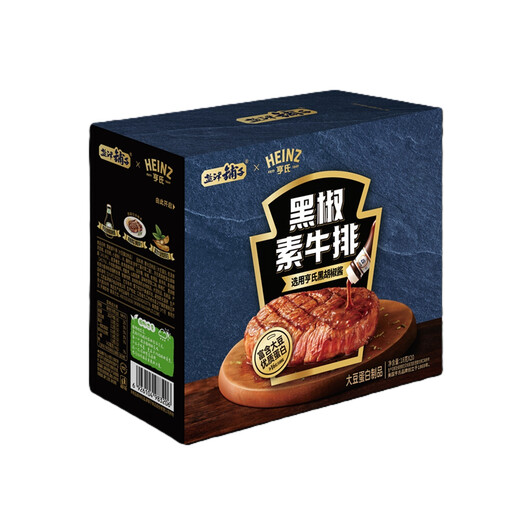
Why this fits the profile: The twenty individual sachets make it easy to try them out and provide fixed portions for work, school or on the go. The black pepper flavour is savoury with a gentle kick.
The net weight per sachet is clearly stated: 18g. This makes it easier to judge the portion size than with a large opened bag.
16.7g protein per 100g; 20 individually wrapped portions; contains soya and gluten, so check allergens.

Why this fits the profile: The firm texture and Sichuan mala flavour suit fans of distinctive Chinese snacks who want a compact portion.
The product information clearly states the amount of protein, the salt content and the allergens. So you don’t have to rely solely on the “beef steak” label on the packaging.
20g protein per 100g; ready-to-eat; chilli and Sichuan pepper; contains soya, wheat and sesame.
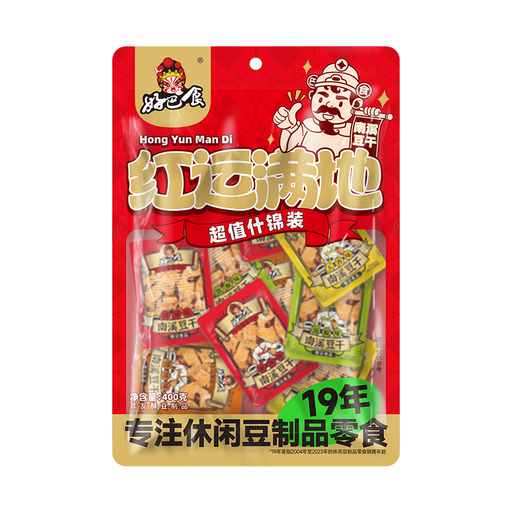
Why this fits the profile: The 400g pack contains mala, BBQ, five spice and pickled chilli. That’s practical for sharing, meals and a tasting session with different flavour preferences.
The flavours are specified in advance and the nutritional values are listed per variant. So you’re not buying one large pack blind, with only a single level of heat.
Four flavours in one pack; 16g protein per 100g per variant; suitable as a snack or with rice and noodles; contains soya and sesame.
We’ve put together a full, up-to-date list of products that fully meet these strict selection criteria and comply with current European safety regulations.
No. Check the ingredients and the product label. Some products are plant-based, made from soya or wheat, but don’t carry an explicit vegan label. Also watch out for milk, egg and possible cross-contamination.
Individually wrapped tofu snacks, soya snacks and vegetarian beef jerky are practical because you don’t need any cutlery or preparation. Choose a pack that can be eaten straight after opening and store the product according to the label.
That varies from product to product. Compare the nutritional values per 100g. In the selection mentioned here, the protein content ranges from 16 to 20g per 100g, for example. Also look at portion size, salt and fat before making your choice.
