
Vandaag of morgen in huis

Kwaliteit gegarandeerd

Welkomstaanbiedingen ontgrendelen: GRATIS bezorging | Tot 80% korting | Gratis 30 dagen JoyPlus-proefperiode
Download de app
Vegetarian snacks come in many varieties, from vegan snacks and vegetable crisps to spicy Asian bites, protein-rich snacks and ready meals. This wide choice does not always make comparing products easy. For example, packaging may suggest that a product is plant-based, while it still contains egg, milk or other allergens.
So do not rely solely on words such as “veggie”, “natural” or “high protein”. The ingredients list, nutritional information, preparation method and storage instructions determine whether a product genuinely suits your diet and how you plan to use it.
A vegetarian product may still contain egg, milk or other animal-derived ingredients. For example, MORA Veggie Satay contains not only plant-based protein but also protein from chicken eggs and skimmed milk powder. The snack is therefore not suitable for vegans, despite the name “Veggie”.
When choosing vegan snacks, always check:
Protein-rich snacks can be useful between meals, but also check salt, fat, sugars and serving size. According to the product information, Wu La Ma Vegetarian Beef Balls contain 15 grams of protein and 3.5 grams of salt per 100 grams. The pack weighs 85 grams, but the nutritional information is shown per 100 grams. This difference matters when comparing products.
Some products are ready to eat, while others must first be heated or cooked. Fresh ASIA’s Taiwanese taro balls, for example, are frozen and must be cooked thoroughly. They are therefore not a snack you can eat straight from the pack.
Look out for terms such as:
For vegetarians, vegans and people with allergies, the ingredients list is the most important point to check. Many vegetarian meat substitutes contain soya or wheat gluten. This includes vegetarian meatballs, vegetarian chicken, vegetarian beef and seitan-based products.
A few examples:
Read the allergen information every time you buy a product. Recipes can change, so the packaging should always be treated as the definitive source.
Start by comparing products per 100 grams, so that the figures are directly comparable. Then consider the actual serving size. A small pack with a high salt or fat content can still make a significant contribution to your daily intake.
Examples from the range:
“Plant-based” does not automatically mean low in calories, salt or sugar.
Choose snacks according to when you plan to use them. For eating on the go, shelf-stable products that are ready to eat are practical. For an evening meal, frozen products or ready-made vegan meals may be a better fit.
In particular, check:
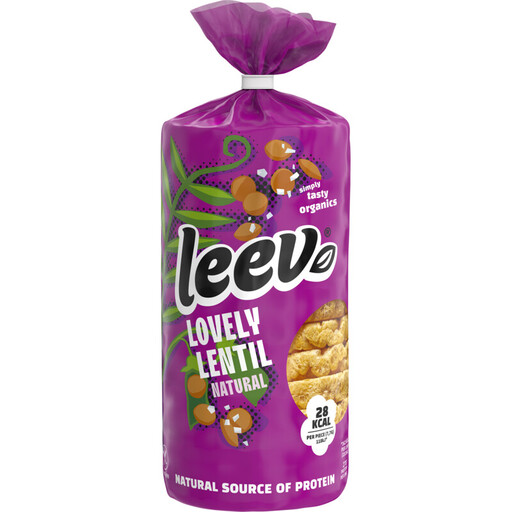
Why it suits this profile: A simple choice for anyone wanting to try lentil snacks without any preparation. The waffles are suitable for lunch or as a snack between meals.
The product information lists 99.5% lentil flour and a short ingredients list. However, check the current packaging for possible traces of soya.
Organic product, 27.3 g of protein per 100 g and ready to eat.
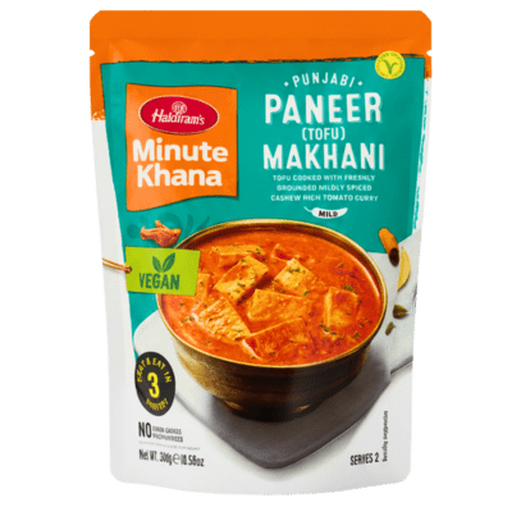
Why it suits this profile: For anyone looking for a complete plant-based meal with Indian flavour. Serve the curry with rice, chapati or paratha.
The product description clearly states that this is a vegan version made with tofu. Cashew nuts and soya are listed as allergens.
300 grams per pack, ready-made and suitable for reheating in boiling water or the microwave.
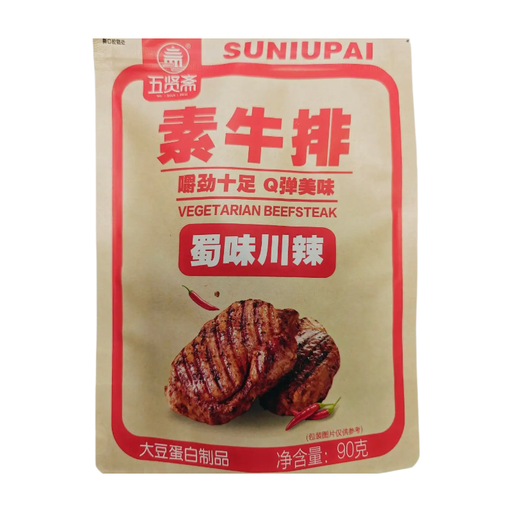
Why it suits this profile: A compact Asian snack for anyone who enjoys a firm bite and Sichuan seasoning. Ready to eat straight from the pack.
The product information explicitly states that it is “ready to eat” and lists soya and wheat gluten as allergens.
28 grams of protein per 100 grams and a 90-gram pack with a spicy flavour.
We have put together a complete, up-to-date list of products that fully meet these strict selection criteria and the applicable European safety regulations.
No. “Vegetarian” mainly describes the absence of meat and fish. Some snacks contain relatively high levels of salt, sugar, fat or calories. So compare the nutritional information per 100 grams and pay attention to the serving size.
According to the product information, vegan snacks contain no ingredients of animal origin. Vegetarian snacks may contain egg, milk or other animal-derived ingredients. Always check the ingredients list and allergen information on the packaging.
Choose products that are shelf-stable at ambient temperature and ready to eat, such as lentil waffles, nut bars, vegetable crisps or certain Asian snacks. Check the storage instructions after opening. Frozen products, such as taro balls, are mainly suitable for use at home because they must remain frozen and require preparation.
