
Vandaag of morgen in huis

Kwaliteit gegarandeerd

Welkomstaanbiedingen ontgrendelen: GRATIS bezorging | Tot 80% korting | Gratis 30 dagen JoyPlus-proefperiode
Download de app
You’re looking for vegetarian snacks for home, on the go or a party, but the choice is vast. Packaging uses terms like plant-based, vegan, baked and high in protein. These words don’t always tell the full story. A snack can be vegetarian, for example, yet still contain milk or egg. Equally, a product in a small single-serve pack can be relatively high in salt, sugar or fat per 100 grams.
With these checkpoints, you can compare vegan snacks, Asian snacks, vegetarian crisps, meat alternatives and sweet treats using verifiable product information.
Vegetarian doesn’t automatically mean vegan. Vegetarian snacks can contain milk, milk powder or egg. So don’t just check the front of the pack – also look at the ingredients and allergen information.
For example: the Hero Coconut Muesli Bar contains milk chocolate and milk constituents. This bar therefore doesn’t fit a vegan diet. The Autodrop Vegan Cadillacs are listed in the product information as both vegan and gluten-free.
A plant-based snack can be made from wheat gluten, soya, konjac or potato. Each gives a different mouthfeel, nutritional profile and allergen picture. If you’re looking for vegetarian meat, vegetarian chicken or vegetarian duck, you should pay particular attention to the base ingredient.
According to the product information, Wu Chung Roasted Vegetarian Chicken consists mainly of seasoned wheat gluten, while Wuxianzhai Vegetarian Duck contains wheat gluten and tofu skin made from soya. These products are not a suitable choice for anyone with a gluten or soya allergy.
A 60 g or 80 g bag is handy for on the go, but always check the nutritional values per 100 grams and the total weight. For crisps, the energy value according to the supplied product information is often around 500 kcal per 100 grams. With salty Asian snacks, the salt content can also be high.
A portion pack helps with portion control, but always check how many portions the manufacturer states and how many you actually eat.
Use the ingredients list as your main check. Look out for:
According to the product description, Autodrop Vegan Cadillacs are made without animal ingredients and contain none of the 14 major EU allergens. The stated nutritional value is 338 kcal and 62 g sugar per 100 grams. Vegan here doesn’t mean sugar-free.
For vegetarian meat and other savoury snacks, the base ingredient largely determines the bite:
A konjac snack is therefore quite different from vegetarian chicken or vegetarian duck. According to the product information, the Yan Jin Pu Zi MOWON Konjac Snack has a spicy sesame flavour and comes in small inner packs. Per 100 grams, the product states 134 kcal, 6.5 g fat and 2.45 g salt.
For snacks on the go, individual portions are practical. Also check whether the product can be stored at room temperature. Some meat alternatives have a limited shelf life after opening and must be kept refrigerated.
For Wu Chung Roasted Vegetarian Chicken, it states that the product is ready to eat. After opening, according to the product information, it must be refrigerated and consumed quickly. Wuxianzhai Vegetarian Duck, on the other hand, is intended to be heated, for example in a pan, steamer or wok. The packaging states a storage temperature of 0–4 °C.
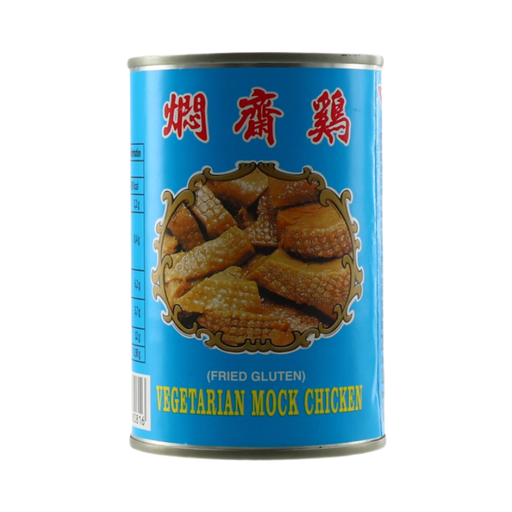
Why this fits the profile: A ready-to-eat savoury option for anyone trying vegetarian meat alternatives for the first time and wanting to put together a quick meal or side dish.
The product description clearly states the wheat gluten and soya base, the allergens and the ready-to-use format. Check the packaging again at the time of purchase.
290 g net weight, ready to eat and, according to the stated nutritional values, 12 g protein per 100 grams.
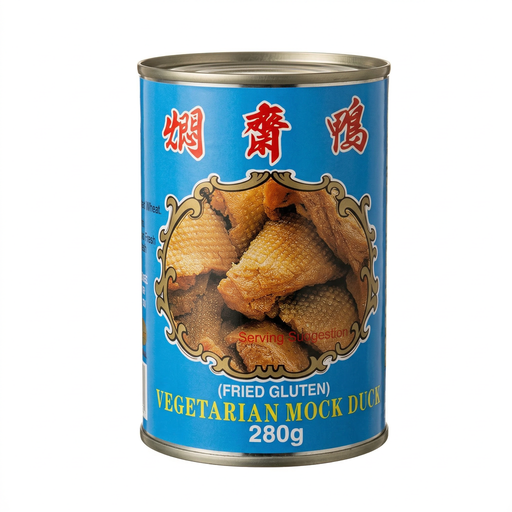
Why this fits the profile: For fans of Chinese flavours who want to prepare a more substantial dish with rice, noodles or stir-fried vegetables.
The instructions give specific cooking methods: 3–4 minutes frying or stir-frying, or 5–7 minutes steaming. This makes the use clearer than just a flavour claim.
280 g, 15 g protein per 100 grams according to the product information, and clear cooking instructions.
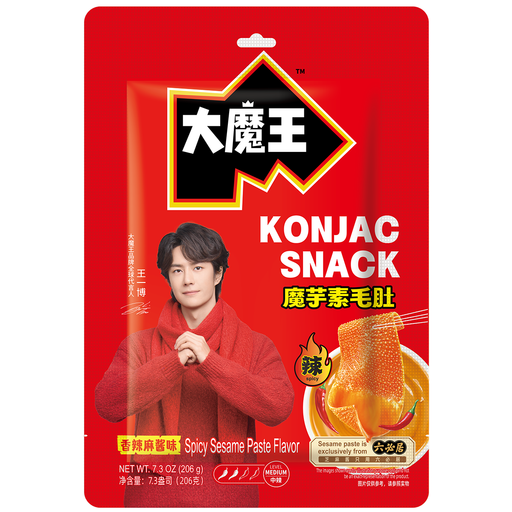
Why this fits the profile: For anyone looking for a spicy, chewy Asian snack with small inner packs for portion control, sharing or taking on the go.
The inner packs reduce the need to open the whole bag at once. Do watch out for sesame, soya, wheat and the stated salt content of 2.45 g per 100 grams.
206 g total weight, ready to eat and, according to the supplied nutritional information, 134 kcal per 100 grams.
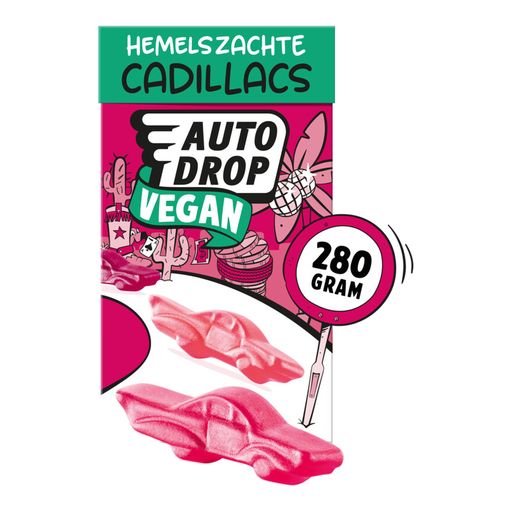
Why this fits the profile: A sweet, soft option for guests, treats or a vegan snack moment without chocolate or nuts.
The product information explicitly states vegan and gluten-free. At the same time, the nutritional values show 62 g sugar per 100 grams, so you can factor in the sweet composition.
280 g, three fruit flavours and, according to the product description, free from the 14 major EU allergens.
We’ve put together a full, up-to-date list of products that fully meet these strict selection criteria and comply with current European safety regulations.
Choose small, individually wrapped products that can be stored at room temperature. Think of konjac snacks, crisps, vegan gummies or muesli bars. Always check the storage instructions for chilled meat alternatives. An opened product often needs to be consumed quickly.
No. Check the flavour mix and allergen information. Cheese, pesto and cream flavours can contain milk. Crisps may also list soya, wheat or milk traces. The ingredients list on the packaging remains the deciding factor, because recipes can change.
Vegetarian meat is usually intended as part of a meal and can be prepared in a pan, wok or oven. A vegetarian snack is often ready to eat and intended as a between-meal treat. Some products fall into both categories, such as ready-to-eat vegetarian chicken or duck. So pay attention to the cooking method, portion size, storage and nutritional values.
