
Vandaag of morgen in huis

Kwaliteit gegarandeerd

Welkomstaanbiedingen ontgrendelen: GRATIS bezorging | Tot 80% korting | Gratis 30 dagen JoyPlus-proefperiode
Download de app
Vegetarian snacks now come in many forms: from vegan snacks and Asian vegetarian snacks to plant-based meat alternatives, lentil waffles and sweet treats. With such a wide range on offer, choosing isn’t always straightforward. What’s more, a packet labelled “high protein”, “natural” or “sugar-free” doesn’t tell the whole story.
If you want to buy vegetarian snacks with purpose, it’s worth checking three things: the ingredients list, the nutritional values per serving, and the practical preparation information. That way, you can avoid picking a snack that doesn’t suit your diet, turns out to be too salty, or ends up languishing unused in the cupboard.
A product can be vegetarian but still contain milk, egg or other animal-derived ingredients. So always check the allergen information and the full ingredients list. With composite products, ingredients such as milk powder, whey powder or egg can also appear.
Also, look out for differences between the product information and the packaging. The current packaging is what counts, especially for imported products and recipes that may change.
The term “high-protein snacks” can sound appealing, but nutritional values are usually given per 100g. A small serving may therefore provide less protein than you expect. So look at:
A product with 20g of protein per 100g will provide around 6g of protein in a 30g serving. That’s a simple calculation, but it prevents false expectations.
“Gluten-free” is only relevant if it’s clearly stated on the product information or packaging. With vegetarian meat alternatives based on wheat gluten, gluten is actually a key ingredient. Organic claims must also match the product listing and certification.
For example, the Leev BIO Lentil Waffles are described as organic and gluten-free, while the allergen information advises watching out for soya. If you have allergies, always check the most recent packaging.
For vegan snacks, check that no animal-derived ingredients are listed. Asian vegetarian snacks often contain soya, wheat, sesame and peanuts. This applies, for instance, to snacks based on soya protein or wheat gluten.
Look out for these terms:
Compare products on the same basis, ideally per 100g and per serving. A sweet snack like Autodrop Vegan Cadillacs contains 62g of sugar per 100g and less than 0.5g of protein, according to the product information. That makes these sweets mainly suitable as a sweet treat, not as a high-protein snack.
The Leev lentil waffles contain 27.3g of protein per 100g, 5.4g of fibre and around 28 kcal per waffle, according to the product information. The serving size is small, making them handy for lunch or a snack between meals.
For on-the-go snacking, ready-to-eat products are practical. Check whether the product is ready to eat straight away or needs to be heated. Some products must be stored in the fridge or freezer.
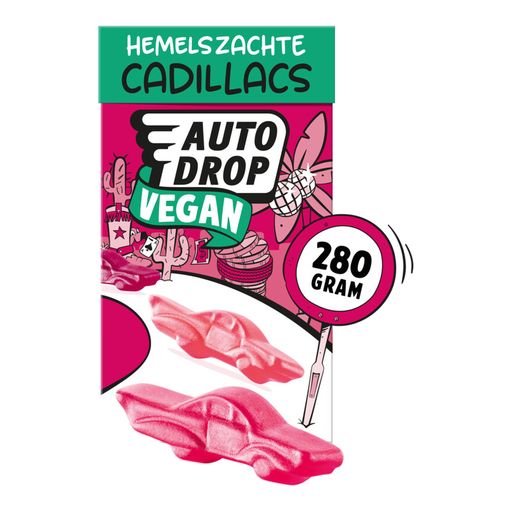
Why this fits the profile: An accessible choice for anyone wanting to try vegetarian snacks and looking for a soft, sweet treat.
The product information states vegan and gluten-free. At the same time, the nutritional values make it clear that this is a sweet with relatively high sugar content, not a functional protein snack.
280g content, three fruit flavours and roughly five sweets per 25g serving.
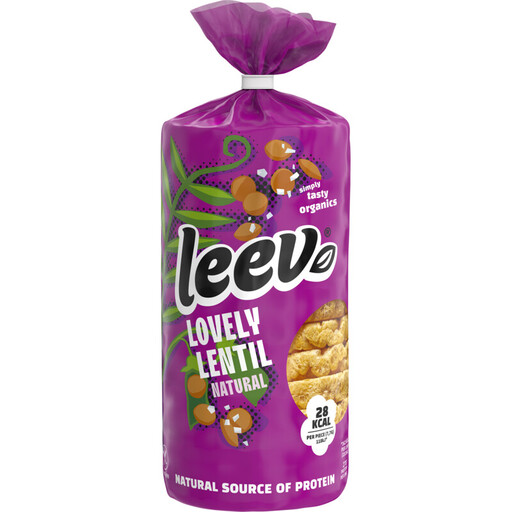
Why this fits the profile: Ideal for those who value ingredients, portion control and a savoury crunch over sweets or biscuits.
The composition lists 99.5% lentil flour and sea salt. The nutritional values show 27.3g of protein per 100g, so the claim remains verifiable.
Organic lentil waffles, gluten-free according to the product information, with 5.4g of fibre per 100g.
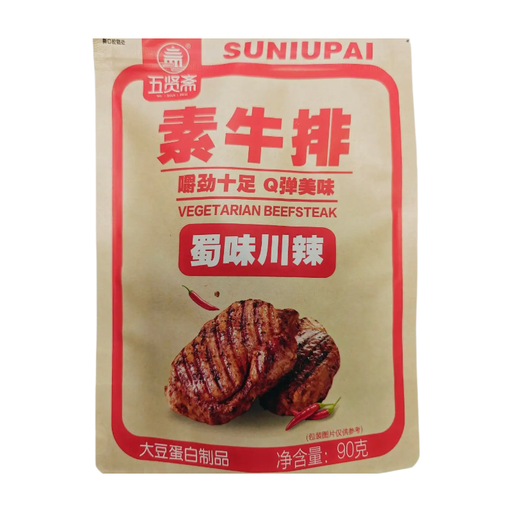
Why this fits the profile: For fans of spicy snacks and a firm, chewy texture that can be eaten straight from the pack.
The product information explicitly lists soya protein and gluten. This makes it immediately clear that this snack is not suitable for a gluten-free diet.
28g of protein per 100g, ready to eat and seasoned with chilli and Sichuan pepper.
We’ve put together a full, up-to-date list of products that fully meet these strict selection criteria and comply with current European safety regulations.
For a sweet break, vegan sweets, muesli bars and fruit chips are practical. With muesli bars, though, watch out for milk, gluten, nuts and the sugar content. The Hero Coconut Muesli Bar contains milk chocolate, oats, wheat and barley, among other things, so it’s not a vegan snack.
For a savoury bite, lentil waffles, vegetable chips and Indian snacks like Bikano Aloo Bhujia Mix work well. The latter contains potato, chickpea flour, oil, salt and spices. According to the product information, this snack is vegetarian, but it contains 27g of fat and 470 kcal per 100g.
If you’re after a quick meal, look at vegan ready meals such as Haldiram’s Vegan Paneer Makhani. This meal contains tofu and cashew nuts and needs to be heated. So check both the allergens and the preparation method beforehand.
Choose products that are ready to eat and individually wrapped or resealable. Think of lentil waffles, vegan sweets, muesli bars or small portions of plant-based meat alternatives. In warm weather, pay attention to the storage instructions and, once opened, keep an eye on the stated shelf life.
No. “Vegetarian” mainly describes what a product doesn’t contain. A vegetarian snack can still be high in sugar, salt or fat. So compare the nutritional values per 100g and per serving. Alternate sweet and savoury snacks with products where pulses, grains or nuts feature prominently.
Check the vegan label, ingredients list and allergen information. Look out for milk, egg, gelatine, honey and animal-derived flavourings. If in doubt, the current packaging is what counts. Recipes and cross-contamination warnings can change from one product to the next.
