
Vandaag of morgen in huis

Kwaliteit gegarandeerd

Welkomstaanbiedingen ontgrendelen: GRATIS bezorging | Tot 80% korting | Gratis 30 dagen JoyPlus-proefperiode
Download de app
Vegetarian snacks come in many forms: from dried tofu and chewy tofu snacks to vegetarian meat, konjac and ready-to-eat frozen snacks. Asian vegetarian snacks, in particular, stand out for their firm texture and spicy seasonings like chilli and Sichuan pepper.
However, a name like “vegetarian steak” or “vegan meat substitute” doesn’t automatically tell you enough. If you only go by the front of the packet, you could end up with a product that isn’t vegan, tastes too salty, or contains a much smaller portion than you expected. With these checkpoints, you can compare plant-based protein snacks more practically.
Not every product made with soya, tofu or wheat is vegan. Some meat substitutes contain egg, milk, lactose or other animal ingredients. For example, the Mora Vega Croquettes contain egg and milk constituents. The MORA Veggie Satay contains egg, milk, peanuts, soya and wheat, among other things.
So always check:
If in doubt, the ingredients list is what counts. Even “vegetarian meat” can therefore be unsuitable for vegans.
A product that is high in protein can also be relatively high in salt, fat or calories. According to the product information, Wuxianzhai Vegetarian Steak contains 28 grams of protein per 100 grams, but also 2.55 grams of salt and 20.5 grams of fat per 100 grams. That makes it interesting as a substantial snack, but not automatically suitable for every eating habit.
Compare the nutritional values per 100 grams. Pay particular attention to:
A 60 or 80 gram bag can be handy for on the go, but a multipack can often work out more economical per portion. Individual sachets are easier to take with you and help you avoid opening a large packet all at once.
Also pay attention to the storage instructions. Many dried tofu snacks and long-life products need to be eaten quickly or kept refrigerated after opening. This information varies from product to product.
The base determines the bite. Soya protein, tofu and soya beans often give a firm or chewy texture. Wheat gluten tends to provide a fibrous, dense bite. Konjac feels smoother and crunchier, but in the example product it contains only 2 grams of protein per 100 grams.
For a high-protein snack, you can compare products such as:
The figures are based on the product information provided. Check the packet at the time of purchase, as the composition and labelling can change.
“Mala” combines heat with a numbing effect from Sichuan pepper. That’s different from a snack with just fresh chilli or black pepper. If you’re not yet familiar with Chinese snacks, you can start with a small packet or an assortment with several flavours.
Look out for words such as:
For the office, train journeys or a lunchbox, individually wrapped snacks are practical. The Yan Jin Pu Zi Vegan Steak consists of 20 portions of 18 grams. The Bestore tofu snack contains 7 sachets in a 128 gram packet.
For home use, larger packets or products for hot meals are more convenient. According to the product description, the 280 gram Wuxianzhai Vegetarian Duck can be heated, stir-fried or combined with rice and noodles. This isn’t a ready-to-eat snack for on the go, but rather a versatile meat substitute for a meal.

Why this fits the profile: The packet contains 5 small portions. This makes this dried tofu suitable for trying out a spicy tofu snack without opening a large quantity straight away.
The portions are individually wrapped. The ingredients list states soya as an allergen; check the current packet before purchase for suitability for your diet.
108 grams total, 14.2 grams of protein per 100 grams and a ready-to-eat portion pack.
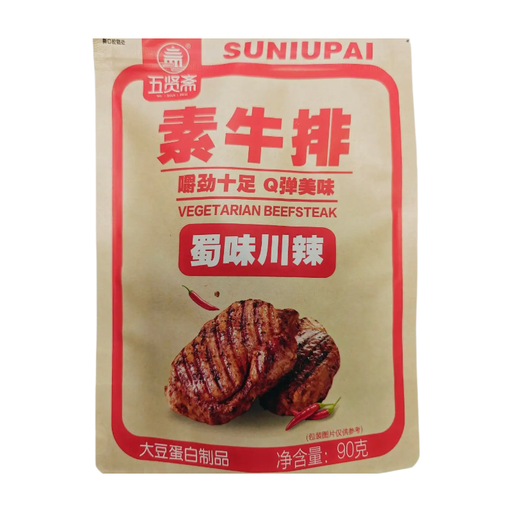
Why this fits the profile: This snack is designed for a firm bite and a pronounced Sichuan flavour. The nutritional information states 28 grams of protein per 100 grams.
The protein content and portion size are clearly stated. The product does contain soya and gluten, so it is not suitable for everyone.
90 grams per packet, 28 grams of protein per 100 grams and ready to eat.
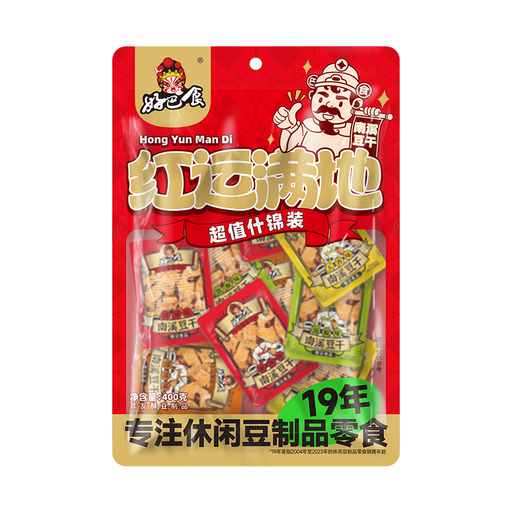
Why this fits the profile: The large packet combines mala, barbecue, five-spice and pickled chilli. Handy for sharing, stocking up and catering to different taste preferences.
You’re not tied to just one flavour. The nutritional values are stated per variant, so you can also compare the salt content per flavour.
400 grams total, four flavours and 16 grams of protein per 100 grams. Contains soya and sesame.
We’ve put together a full, up-to-date list of products that fully meet these strict selection criteria and comply with current European safety regulations.
Not automatically. Products based on soya or tofu can also contain wheat, egg, milk or other allergens. Always check the full ingredients list and the allergen information. A vegetarian product is not necessarily vegan.
That varies from product to product. In the nutritional information provided, Wuxianzhai Vegetarian Steak contains 28 grams of protein per 100 grams. Other options include Wuxianzhai Vegetarian Ribs with 21.6 grams and Bestore Hand-Shredded Vegetarian Meat with 20 grams per 100 grams. Also compare salt, fat and the actual portion size.
Follow the instructions on the packet. Long-life tofu and protein snacks often need to be stored in a cool, dry place and consumed quickly after opening. Frozen products, such as vegetarian croquettes and satay, should remain frozen until preparation. Refrigeration may be required after opening.
