
Vandaag of morgen in huis

Kwaliteit gegarandeerd

Welkomstaanbiedingen ontgrendelen: GRATIS bezorging | Tot 80% korting | Gratis 30 dagen JoyPlus-proefperiode
Download de app
At first glance, picking up a bag of plant-based meat snacks seems straightforward. However, vegetarian meat substitute snacks vary widely in texture, portion size, protein content, salt levels, and storage method. What’s more, a snack marketed as “beef”, “steak” or “jerky” on the packaging can often be made primarily from wheat gluten, soya, oil, and spices.
For vegetarians, vegans, and flexitarians, here are the key points to consider before you order.
Terms like vegetarian beef jerky, vegan steak snack, and vegetarian meat usually describe the intended flavour or texture. So always check the ingredients list. Many products contain soya and wheat gluten, while some varieties may also include milk, egg, or other animal-derived ingredients.
A clear example is MORA Veggie Satay. According to the product information, this item contains egg, milk, and peanuts among other things. So it doesn’t automatically fit into a vegan diet. Even a product with “beef flavour” in its name may contain flavourings or compound seasonings that you’ll want to check first.
Protein is usually listed per 100 grams, yet a pack might only contain 60 or 80 grams. A product with 20 grams of protein per 100 grams provides around 12 grams of protein in a 60-gram serving. So look at both the value per 100 grams and the actual pack weight.
Among the reference products, the values vary considerably: from 2 grams of protein per 100 grams for konjac to 28 grams for Wuxianzhai Vegetarian Steak. That makes a konjac snack suitable for a different need than a compact snack based on soya or gluten.
The chewy texture of plant-based meat snacks often comes from soya protein, wheat gluten, or a similar structure. The flavour is then enhanced with oil, sugar, salt, and spices. That’s not necessarily a problem, but it is a reason to check the nutritional information table.
For example, the Be&Cheery Hand-Torn Vegetarian Meat contains 4.6 grams of salt per 100 grams, while Wu Chung Roasted Vegetarian Chicken lists 0.98 grams. So the products aren’t directly comparable. If you snack regularly, it’s wise to factor in portion size and salt content when making your choice.
For a meat-like texture, you’ll often come across:
If you’re looking for seitan snacks or plant-based meat snacks with a firm bite, don’t just rely on the product name — check the first ingredients. If wheat gluten or soya protein appears near the top of the list, it generally forms a significant part of the structure.
Use the nutritional information as a consistent basis for comparison. Some values from the range:
So the term “high protein” is only useful once you check the exact figures. Also pay attention to the energy and fat values: some dried snacks contain relatively high amounts of oil, despite their plant-based base.
For work, train journeys, or a lunchbox, individually wrapped snacks are practical. The Yan Jin Pu Zi Vegan Steak comes as 18 grams × 20 individual packs. That makes portioning and taking them with you easy. Other snacks come in a single bag of 80 to 120 grams and are best suited for sharing at home or as a topping for rice and noodles.
Always check the storage instructions after opening. Some products need to be refrigerated after opening and consumed quickly. Also, a product that’s ready to eat doesn’t necessarily need to be treated the same as a frozen product, like MORA Veggie Satay.
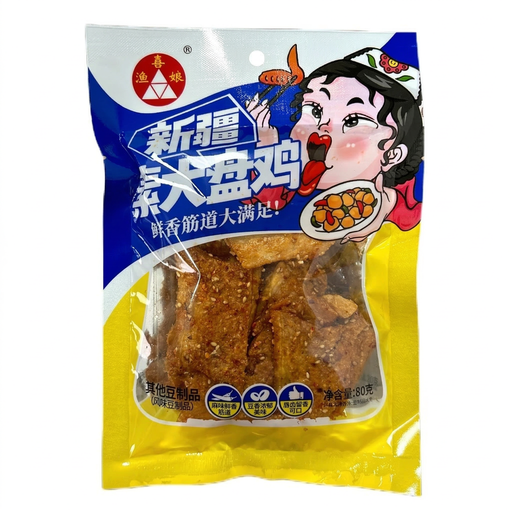
Why it fits this profile: The 80-gram portion is straightforward and ready to eat. The spicy flavour works as a snack, side dish, or topping for noodles.
The product information lists soya and wheat allergens and provides the nutritional values per 100 grams. This lets you verify your choice rather than relying solely on the name.
15 grams of protein per 100 grams, 80 grams net weight, and a ready-to-eat preparation with chilli and Sichuan pepper.
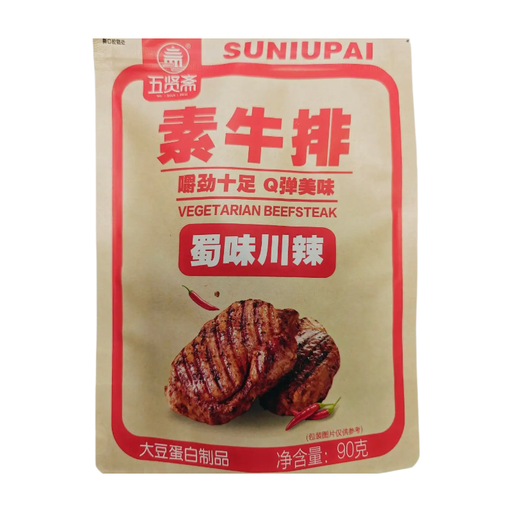
Why it fits this profile: This snack focuses on a firm, steak-like bite and a pronounced Sichuan flavour with chilli and pepper.
The product page displays the nutritional information, allergens, and ingredients. This shows you that soya and gluten form the base, and that the snack isn’t judged on marketing language alone.
28 grams of protein per 100 grams, 90 grams net weight, and ready to eat with no preparation needed.
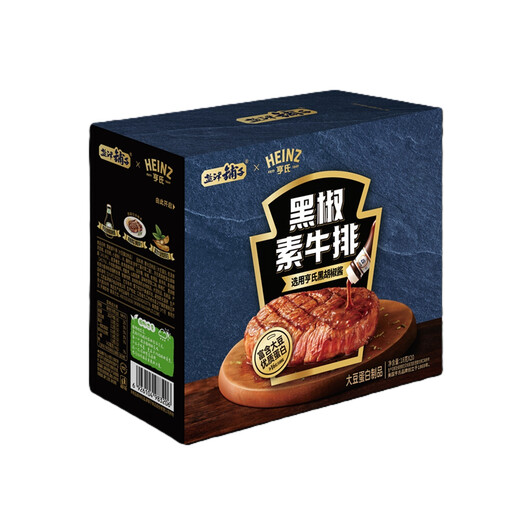
Why it fits this profile: The individual portions are ideal for commuting, the office, travel, or a cupboard where you want to grab a quick snack.
The overall pack is divided into 20 portions of 18 grams. This means you don’t have to open a large bag all at once, and the portion size stays clear.
16.7 grams of protein per 100 grams, black pepper flavour, and ready to eat straight after opening. Contains soya and gluten.
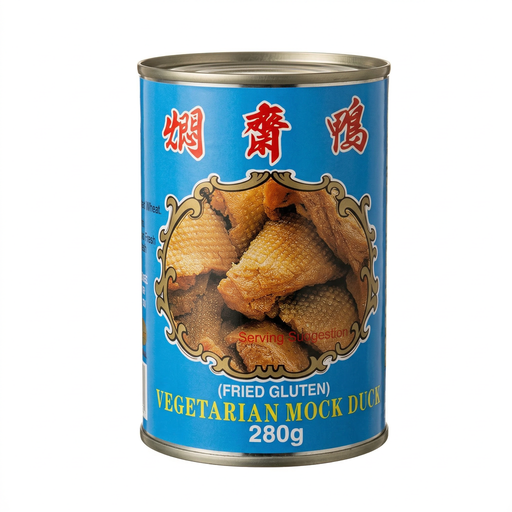
Why it fits this profile: The larger pack is designed for stir-fries, rice, noodles, or as a meal component rather than just a small snack.
The usage instructions mention pan-frying, steaming, and stir-frying. So you’re not buying a snack that’s only suitable for eating straight from the pack.
280 grams net weight, 15 grams of protein per 100 grams, and a texture based on wheat gluten and tofu skins.
We’ve put together a full, up-to-date list of products that fully meet these strict selection criteria and comply with current European safety regulations.
No. A product can be called vegetarian and still contain milk, egg, or other animal-derived ingredients. Check the full ingredients list and allergen information. Also look out for terms like “beef flavour”, “chicken flavour”, or compound sauces.
Always follow the label. Many dry soya snacks and seitan snacks can be stored unopened in a cool, dry place. After opening, some products need to be refrigerated and eaten quickly. Frozen products, such as MORA Veggie Satay, should be kept frozen until use and must not be refrozen after thawing.
Compare the value per 100 grams. In this range, products including Wuxianzhai Vegetarian Steak with 28 grams, Wuxianzhai Fresh Pepper Vegetarian Meat with 22.5 grams, and Hao Ba Shi Lamp Shadow Plant-Based Beef with 20.1 grams of protein are relatively high. Also check the portion size, salt content, and allergens before you order.
