
Vandaag of morgen in huis

Kwaliteit gegarandeerd

Welkomstaanbiedingen ontgrendelen: GRATIS bezorging | Tot 80% korting | Gratis 30 dagen JoyPlus-proefperiode
Download de app
Vegetarian instant noodles are ideal for a quick lunch, late-night meal or well-stocked cupboard. However, packaging labelled “vegetable” or “veggie” does not automatically mean that the product is vegan. Portion size, salt content and preparation methods can also vary considerably. With these checks, you can avoid a disappointing purchase and choose more easily between Korean instant noodles, vegan ramen and other Asian noodles.
A vegetable flavour often refers to the seasoning powder or dried vegetables, but not necessarily to the complete recipe. Always check the ingredients list. Look out for terms such as milk, egg, fish, shellfish, chicken or beef extract. A product with “veggie” in its name may also contain allergens or have been produced in an environment where animal-based ingredients are handled.
For example, the ingredients in NongShim Soon Veggie Ramyun 112g include wheat and soya. The product information lists dried pak choi and carrot as the vegetable mix, but for a vegan choice, always check the current packaging and any relevant certification.
A multipack of instant noodles is practical for students, families and busy professionals, but compare the price per 100 grams and the number of portions. A box containing five small sachets may work out differently per portion from a 300- or 500-gram bag of dried vegetable noodles.
Also check the best-before date. Only buy a larger pack if you will use the noodles within the recommended period and can store them somewhere cool and dry, away from direct sunlight.
A cup of noodles usually only requires hot water and a few minutes of waiting. Noodles in sachets often need to be cooked in a pan. Thick wheat noodles, as well as fresh or semi-dried varieties, may require a different preparation method.
Also check whether a product should not be eaten raw. Follow the preparation instructions on the packaging and take care with boiling water, particularly when children are preparing the meal.
If you follow a vegetarian or vegan diet, start with the ingredients list. Wheat and soya are common in vegetarian ramen and are mandatory allergens that must be clearly listed. Some Indomie vegetable noodles, for example, also contain celery in the seasoning mix. This makes the allergen information relevant, even if you do not have a food allergy.
If you want to buy vegan ramen, look for an explicit vegan label or check the current packaging. Brand descriptions are not always enough to assess the complete recipe or production line.
Compare the nutritional values per 100 grams as well as per prepared portion. The values on packaging may differ because a product may be weighed dry or calculated with the seasoning mix included. According to the supplied product information, NongShim Soon Veggie Ramyun lists 4.1 grams of salt per 100 grams, while Nongshim Instant Potato Noodle Soup lists 2 grams of salt per 100 grams.
That does not automatically make one variety suitable for everyone. It does, however, help you make a more informed choice. You can add fresh vegetables, tofu or edamame to the meal, but remember to check the total amount of seasoning powder and sauce as well.
Choose a format that suits the way you use noodles:
Pay attention to the difference between instant ramen and regular dried noodles. YunShanBan Colorful Vegetable Dried Noodles, for example, need to be boiled and are intended for soups, stir-fries, salads or cold noodle dishes. They contain natural vegetable juices for colour, but the product information does not make an independent vegan certification claim.
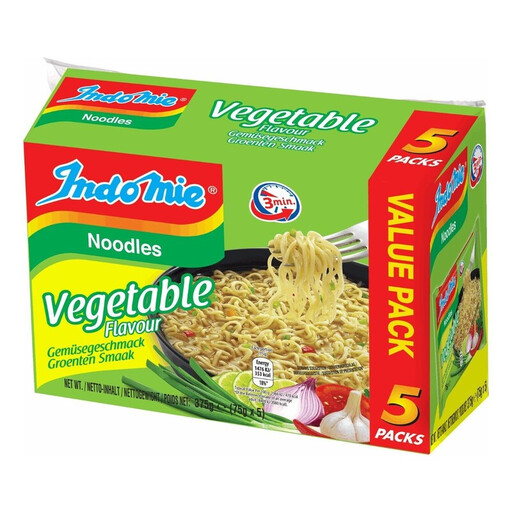
Why it suits this profile: The pack contains five 75-gram sachets. This is easy to manage if you are trying vegetarian instant noodles for the first time or looking for a small supply.
The number of portions is clear. However, check the listed ingredients: this variety contains wheat and celery and, according to the product information, should be prepared with hot water.
Five individual portions; separately packed seasoning and oil; suitable as a quick meal or snack.
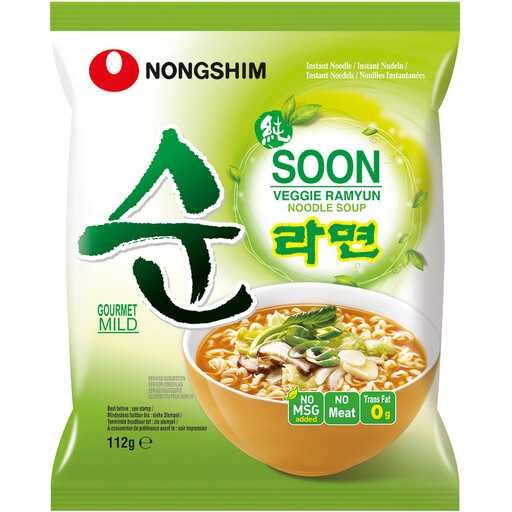
Why it suits this profile: These Korean instant noodles combine wheat noodles, soup seasoning and a vegetable mix containing pak choi and carrot in one pack.
The product description lists the individual components and allergens. Check the current packaging if vegan suitability or trace information is important to you.
112-gram portion; soup, noodles and dried vegetables in one meal; store in a cool, dry place.
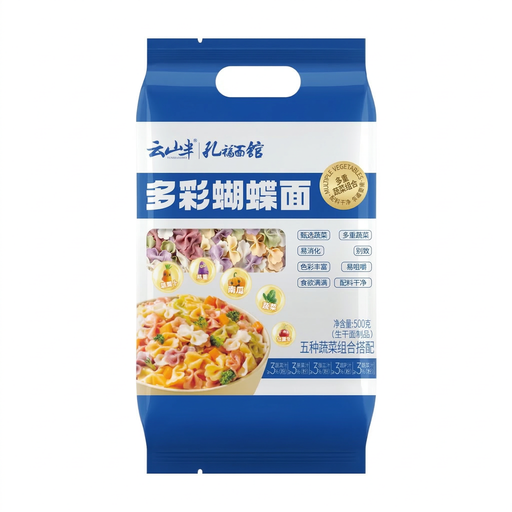
Why it suits this profile: These vegetable noodles are designed for regular cooking and a variety of dishes, rather than just a quick noodle soup.
The preparation method is clear: boil in water for approximately 2 to 6 minutes. This makes it clear that these are not ready-to-eat cup noodles.
500-gram pack; natural vegetable juices for colour; suitable for soups, stir-fries, salads and cold noodle dishes.
We have put together a complete, up-to-date list of products that fully meet these strict selection criteria and the applicable European safety regulations.
A sachet of instant ramen usually contains mainly noodles and stock. Add ingredients you already have at home, as desired:
Check the allergens in any additional sauces and toppings. Add the seasoning powder gradually if necessary, so you can adjust the flavour and salt content more easily.
No. “Vegetarian” excludes meat and fish, but may still include milk or egg. Check the ingredients list and, if you are choosing a vegan product, look for a clear vegan label or certification. According to a brand’s own information, you should assess a claim only for that specific product and its current packaging.
The exact date is printed on the packaging. Store dry noodles somewhere cool and dry, away from direct sunlight. Do not use a pack if it is damaged, leaking or damp. With a multipack, it is best to keep the individual sachets sealed until you are ready to use them.
Instant ramen usually contains a seasoning mix and is designed for quick preparation. Regular dried vegetable noodles, such as varieties made with spinach, tomato or pumpkin, often need to be boiled and require stock, sauce or toppings. Choose instant ramen for convenience, and loose noodles when you want to create the meal yourself.
