
Same-day & Next-day Delivery

Quality Guaranteed

Unlock Your Welcome Offers: FREE Delivery | Up to 80% OFF | Free 30-day JoyPlus trial
Download the APP
Vegetarian frozen products are handy for busy workdays, a quick stir-fry or an evening with hotpot. However, not every product is equally suited to your diet or freezer. An attractive packet, for instance, may tell you little about the amount of vegetables, cooking time or allergens.
With these checkpoints, you can compare more effectively and avoid buying the wrong items when shopping for Asian frozen products, frozen vegetables and vegan meat alternatives.
Product names like “vegetarian chicken” or “vegetarian duck” usually refer to the texture or intended use, not the full ingredients. Always check the ingredients list and allergen information. A sauce, herb mix or creamy addition may, for example, contain milk, egg or wheat.
According to the product information, the Wu Chung Roasted Vegetarian Chicken is made primarily from wheat gluten and contains soya. The name therefore does not make the product suitable for people with a gluten or soya allergy.
A bag of 800 or 900 grams may seem good value, but it’s less practical if you have limited freezer space or usually cook for one person. Check whether the contents are individually frozen or come in blocks. Loose frozen vegetables are generally easier to portion. A large pack of spring rolls from the freezer can be handy for a household or party, but less suitable if you rarely eat snacks.
Not every frozen product can go straight into the pan. Some ingredients need to be fully cooked, while others only need reheating. Taro, for example, must be cooked according to the product information and should not be eaten raw. Also check your freezer temperature and do not refreeze thawed products.
Don’t just look at terms like vegetarian or vegan. Look for:
For vegan meat alternatives such as vegetarian chicken and duck, wheat gluten or soya is common. That can fit a plant-based diet, but not every allergy or intolerance.
Compare products on price per 100 grams, not just the price per packet. Also pay attention to the amount of protein, fat and salt per 100 grams. A product with sauce or marinade can be very different from a bag of plain vegetables.
For example: according to the product information, g’woon Broccoli Florets contains only broccoli. The 800g packet is suitable as a base for several meals. The g’woon Italian Vegetables is a mixed option containing, among others, courgette, broccoli, green beans, bell pepper, celery and carrot, plus herb cream. That composition requires extra attention to the cooking instructions and allergens on the packet.
Choose based on your regular meals:
Check whether the product is suitable for a wok, pan, steamer, oven or deep fryer. Preferably follow the instructions on the packet; product information can vary per packet or batch.
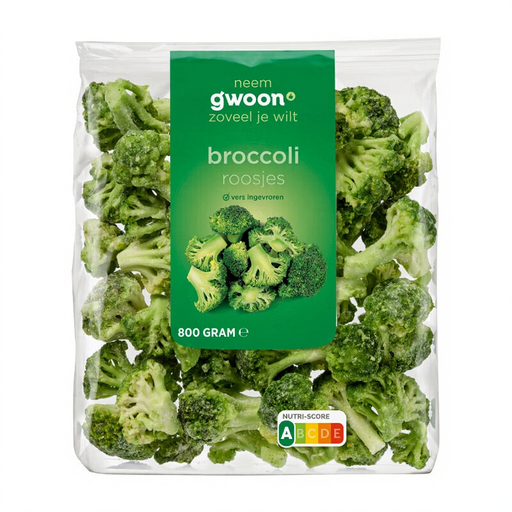
Why this fits the profile: A simple base for pasta, curry, mash or a stir-fry. According to the product information, the packet contains only broccoli.
You’re not paying for an elaborate sauce or flavour mix, and you can see straight away what the main ingredient is. Do check the current packet.
800g; product information lists broccoli as the ingredient; suitable for multiple cooking methods.
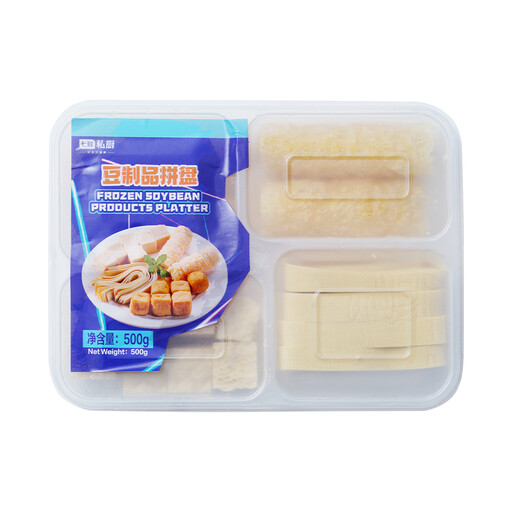
Why this fits the profile: A varied choice for hotpot and Asian dish lovers. The set combines four types of tofu products.
You don’t need to buy several separate tofu varieties. The portions and cooking times differ per component, so follow the instructions.
500g; contains frozen tofu, soya skin, tofu puffs and fried tofu rolls; intended for hotpot.
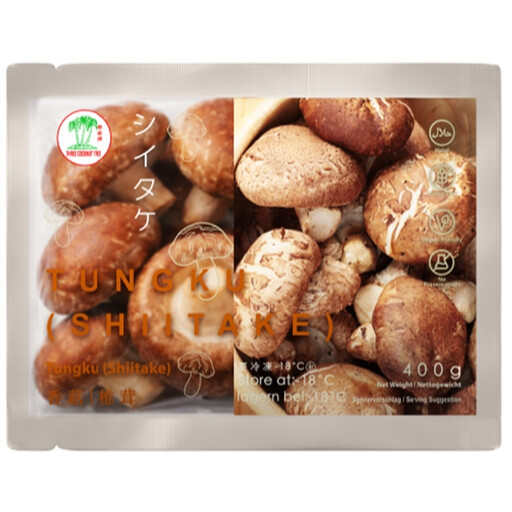
Why this fits the profile: For those who regularly stir-fry, make soup or prepare hotpot and are looking for a specific mushroom variety.
The product information lists shiitake as the only ingredient. This makes the choice clearer than with mixed blends containing unknown sauces.
400g; 100% shiitake according to the product information; can be used in stir-fries, soups, stews and hotpot.
We’ve put together a full, up-to-date list of products that fully meet these strict selection criteria and comply with current European safety regulations.
Not always. Check each product to see whether milk, egg or other animal ingredients are listed. Terms like “vegetarian”, “plant-based” and “vegan” can also be used differently by different brands. The ingredients list on the packet remains the deciding factor.
Store products according to the temperature and best-before date on the packet, usually at -18 °C or lower. After thawing, many products must be kept refrigerated and used within the stated time. Do not refreeze them.
That depends on the packet, season and portion size. Compare the price per 100 grams and take into account trimming waste with fresh vegetables. A large bag of frozen vegetables can be good value if you cook regularly and can portion the contents well.
