
Same-day & Next-day Delivery

Quality Guaranteed

Unlock Your Welcome Offers: FREE Delivery | Up to 80% OFF | Free 30-day JoyPlus trial
Download the APP
Vegetarian dumplings are a practical choice for a quick meal, snack or vegetarian dim sum. The freezer aisle now offers plenty of varieties, from vegetarian gyoza and Chinese dumplings to vegan dumplings with vegetables, tofu or plant-based protein. However, attractive packaging does not tell you everything about the contents, preparation method or suitability for your diet.
Use this buying guide to compare the most important product features and avoid common purchasing mistakes.
Not every vegetarian dumpling is automatically vegan. So check the ingredients list for milk, egg, animal stock or other animal-derived ingredients. Products containing soya, wheat, sesame or peanuts are plant-based, but are not suitable for people with allergies to these ingredients.
Products such as bibigo Korean BBQ Gyoza list a plant-based recipe containing vegetables, wheat gluten and chickpea powder. Other products may have a different recipe. Always check the current packaging before ordering or consuming.
A crispy base does not happen by itself. Some frozen dumplings are mainly intended for steaming or boiling, while others are specifically designed to develop a crispy edge or “lace” base when fried. If you skip a step in the cooking method, you could end up with a soft, split or unevenly cooked dumpling.
Check whether the instructions state that the dumplings should be cooked from frozen and whether water needs to be added during frying.
A 348-gram, 450-gram or 500-gram pack does not tell you how many pieces it contains. The ratio of dough to filling also varies from one product to another. So check the net quantity, filling ingredients and nutritional values per 100 grams. This makes comparison easier than relying on the product name alone.
The filling largely determines the flavour and texture. Many Asian vegetable dumplings contain combinations such as:
When buying mushroom dumplings, it is useful to check how much mushroom they actually contain. For example, Synear Mushroom & Mixed Vegetable Crispy Fried Dumpling contains at least 20% mushrooms in the filling. According to the product specifications, San Quan Mushroom & Bok Choy Vegetarian Dumplings contains 9.09% mushrooms and 22.7% Chinese cabbage.
Also check the allergens. Wheat gluten is often found in the dough, while soya and sesame regularly feature in the filling, oil or soya sauce. A vegetarian product is therefore not automatically suitable for every diet.
The right cooking method depends on the product:
Many frozen dumplings do not need to be defrosted. Defrosting can soften the dough and increase the risk of the dumplings sticking together. Always follow the instructions on the packaging. Raw dumplings must be heated thoroughly before eating.
Most products should be stored at -18 °C or below. Once defrosted, they should generally not be refrozen. So plan in advance how many you need and seal the packaging properly.
For one person, a 300- to 500-gram pack can be suitable as a meal served with pak choi, cucumber or a light soup. For several diners, a larger pack or a combination of different flavours is more convenient.
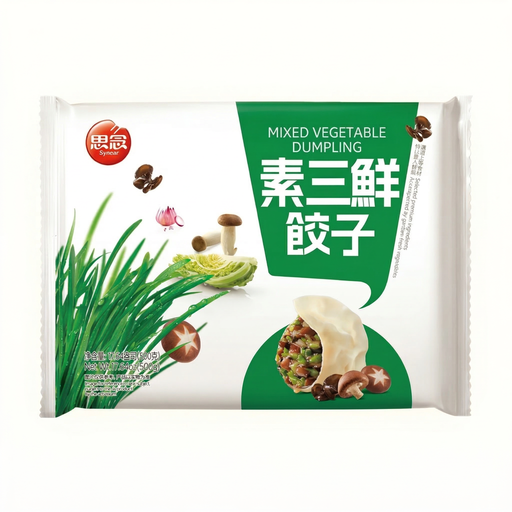
Why it suits this profile: This 500-gram pack offers an accessible starting point for anyone preparing vegetarian dumplings for the first time. You can boil, steam or fry them.
The cooking options are clearly described: boiling takes around 6-8 minutes and steaming 10-12 minutes. This means you are not limited to achieving a crispy result in the pan.
Filling with cabbage, carrot, mushroom and vermicelli; net quantity 500 grams; suitable for three common cooking methods.
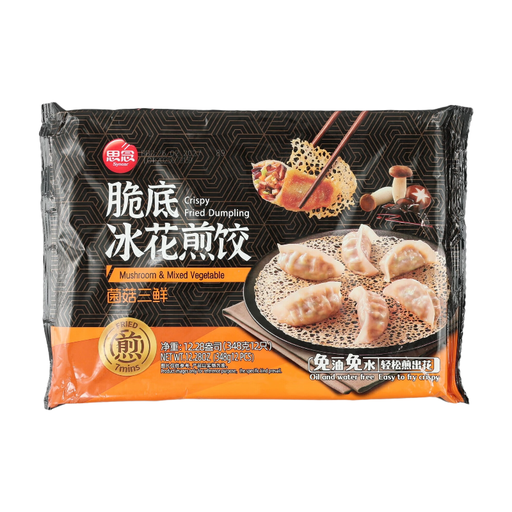
Why it suits this profile: This variety is ideal for dumpling lovers who enjoy frying them and achieving a particularly crispy base. The pack is suitable for cooking straight from the freezer.
The cooking instructions explain step by step how to add starchy water and continue cooking with the lid on. This tells you exactly what is needed to create the signature crispy base.
At least 20% mushrooms in the filling; glass noodles and vegetables provide a variety of textures; fry straight from frozen.
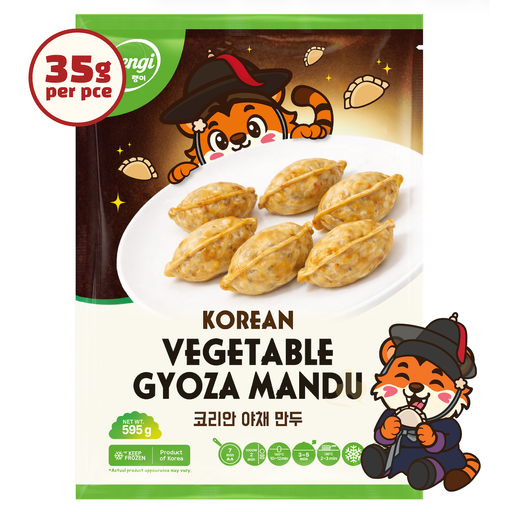
Why it suits this profile: This XXL Korean mandu is a good choice for households wanting to use several cooking methods and looking for a larger pack.
The product specifications list five cooking methods: steaming, frying, boiling, deep-frying and air frying. You are not restricted to one particular cooking method.
595 grams net; relatively low salt content according to the stated nutritional information; contains vegetables, shiitake and soya protein.
We have put together a complete, up-to-date list of products that fully meet these strict selection criteria and the applicable European safety regulations.
Serve vegetarian gyoza with soya sauce, black rice vinegar, chilli oil or a simple cucumber and sesame salad. Check sauces again for soya, sesame and any animal-derived ingredients.
No. “Vegetarian” and “vegan” are different descriptions. Check the ingredients list and allergen information. Products such as bibigo Korean BBQ Gyoza are marketed as vegan, but check the current packaging every time you buy them.
In many cases, yes. The instructions for Synear, San Quan and Xiangyuan state that defrosting is not necessary. Cooking from frozen helps the dumplings retain their shape. The exact boiling, steaming or frying time varies from product to product.
Keep unopened frozen dumplings at -18 °C or below until the best-before date shown on the packaging. Defrosted products should generally not be refrozen. Once opened, it is advisable to follow the instructions on the packaging and cook the product promptly.
