
Vandaag of morgen in huis

Kwaliteit gegarandeerd

Welkomstaanbiedingen ontgrendelen: GRATIS bezorging | Tot 80% korting | Gratis 30 dagen JoyPlus-proefperiode
Download de app
When you search for vegetarian Chinese snacks, you’ll quickly come across a long list of vegetarian meat, tofu snacks, seitan snacks and spicy Asian treats. The packaging often promises a firm bite, plenty of protein and authentic mala seasoning. Yet not every snack suits every eater.
Pay particular attention to three common pitfalls:
The main base ingredients are soya protein, wheat gluten, tofu skin, tofu and konjac. Soya protein and wheat gluten often provide a firm, fibrous or chewy texture. Tofu skin, on the other hand, readily absorbs broth and sauce. Konjac usually has an elastic, smooth bite.
Also look at the protein content per 100 grams. This makes comparison easier than relying solely on terms like “high in protein”. In the range available, values vary from around 2.0 grams for a konjac snack up to 28.0 grams for certain soya products. A higher protein content doesn’t automatically mean the snack suits you in terms of flavour, salt level or intended use.
With mala snacks, the ingredients list often includes chilli, Sichuan pepper, sesame and various spices. A barbecue variant typically has a sweeter, smokier flavour profile. Cumin is better suited to a spiced snack with a Central Chinese or northern flavour association.
With spicy vegetarian snacks, also pay attention to salt. In the product information for various snacks, the salt content ranges from around 1.2 to 4.6 grams per 100 grams. This matters when you eat several small packs in a row or combine the snack with instant noodles, soya sauce or salty broth.
“Ready to eat” means you can eat the product straight from the packet according to the product information. Other items are frozen products or need to be heated. The Freshasia Vegetable Tofu Lucky Bag, for example, must be stored frozen and heated in boiling soup for around 5 to 6 minutes.
Always check:

Why this suits the profile: A small, ready-to-eat pack to try mala and a chewy texture without buying a large range straight away.
The product information clearly states 20.0 g protein per 100 g, 0 g trans fat and ready-to-eat use. Do note the 3.1 g salt per 100 g and the presence of soya, wheat and sesame.
62 g pack, 20.0 g protein per 100 g and suitable as a snack or with rice, congee and noodles.
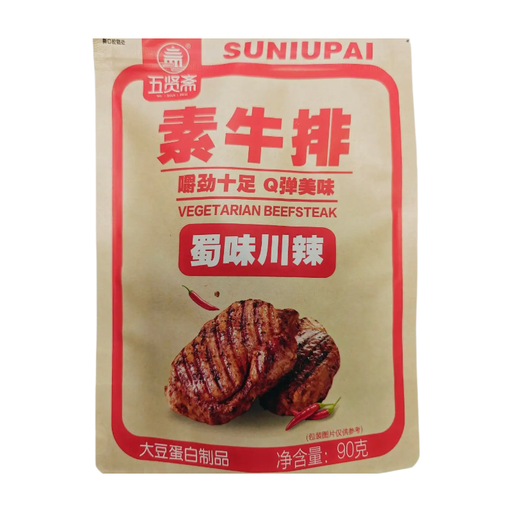
Why this suits the profile: Aimed at those who value a clear Sichuan flavour and a firm bite over a neutral meat substitute.
The specifications mention 28.0 g protein per 100 g and a soya protein base. This means the choice isn’t based solely on the name “vegetarian steak”. It does contain soya and gluten.
90 g pack, 28.0 g protein per 100 g and ready to eat straight from the packet.
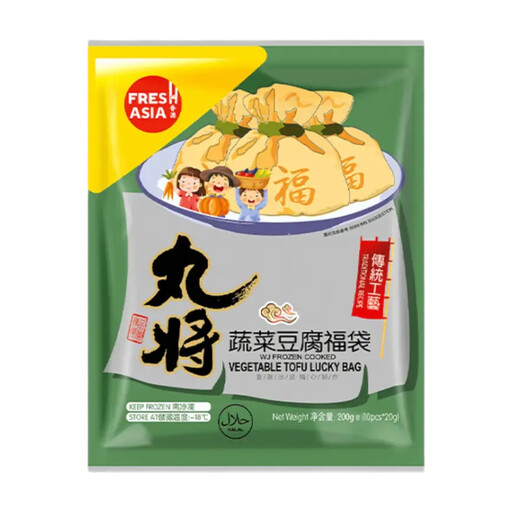
Why this suits the profile: Handy for hotpot, soup and stews. The tofu skin pouches absorb broth, making them a meal component rather than just a snack.
The preparation is specific: add frozen to boiling soup and heat for around 5–6 minutes. This makes it clear that it’s not a ready-to-eat snack from the packet.
200 g pack, suitable for hotpot and soup, with kelp, shiitake, radish and carrot in the filling.
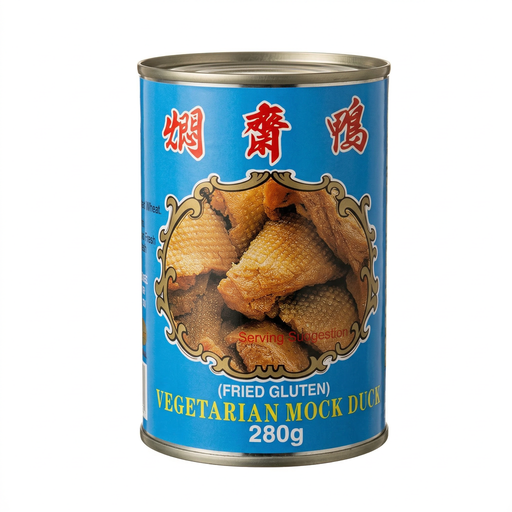
Why this suits the profile: A larger pack for those who want to use vegetarian duck in rice, noodles or a stir-fry.
The preparation methods are described: fry, steam or stir-fry. The ingredients list wheat gluten and tofu skin; check this carefully if you have an allergy or follow a strict vegan diet.
280 g content, 15.0 g protein per 100 g and three practical preparation options.
We’ve put together a full, up-to-date list of products that fully meet these strict selection criteria and comply with current European safety regulations.
No. Some products contain not only soya but also wheat, sesame, milk components or other ingredients. Check the ingredients list and look for a clear vegan label if that’s important to you. Also be aware of cross-contamination if you have a serious allergy.
Choose a product that is explicitly intended for soup, hotpot or cooking. Tofu skin products, such as a vegetable tofu lucky bag, can go straight from the freezer into boiling broth. Ready-to-eat snacks like vegetarian beef jerky or dried tofu are better suited as a topping or standalone snack.
This varies by product. Dry snacks should usually be stored in a cool, dry place, while some opened products need to be refrigerated and consumed quickly. Always follow the instructions on the packaging. With frozen products, refreezing after defrosting is generally not recommended according to the product information.
