
Vandaag of morgen in huis

Kwaliteit gegarandeerd

Welkomstaanbiedingen ontgrendelen: GRATIS bezorging | Tot 80% korting | Gratis 30 dagen JoyPlus-proefperiode
Download de app
Asian vegetarian products are handy for a quick meal, a hotpot or a snack. However, it’s not always clear whether a product is genuinely vegetarian or vegan, how to prepare it or how much room it will take up in your freezer. Attractive packaging or a term such as “plant-based” doesn’t tell the whole story.
This guide helps you compare products using details you can check: ingredients, allergens, storage, preparation and nutritional information. That way, you can avoid buying something that doesn’t suit your diet or kitchen.
Some products contain no obvious meat ingredients but do contain egg, milk, shellfish or other animal-derived ingredients. Always check the full ingredients list and allergen information. A product containing tofu, for example, may also contain wheat, sesame or egg.
The product description for 7FRESH Private Chef’s Vegetarian Monk’s Noodles states that they contain no egg, milk or meat and are suitable for vegans. That isn’t necessarily the case with other products, such as vegetable pastries.
Asian snacks and vegetarian meat alternatives are often strongly seasoned and ready to eat. That makes them suitable as a snack or side dish, but not always as a complete meal. Check the portion size and salt content, and think about how you plan to serve the product.
According to the product information, Wuxianzhai Spicy Vegetarian Tendon, for example, contains 25 grams of protein and 2,5 grams of salt per 100 grams. These details are useful for comparing products, but they don’t mean it’s a complete meal on its own.
Many Asian frozen products are frozen raw and need to be heated thoroughly. A product may look cooked, even though the packaging instructions say to boil or steam it. Also look out for the instruction do not refreeze after defrosting.
Pay particular attention to the following:
So, a product with “vegetarian” in its name isn’t automatically suitable for someone with a soya or gluten allergy. If in doubt, follow the product packaging.
For Asian frozen products, the storage temperature is a practical factor to consider. Many products need to be stored at -18 °C or below. Check in advance that you have enough freezer space and that the delivery fits your schedule.
Ready-to-eat snacks, such as konjac snacks and some tofu or soya products, can be stored outside the freezer. Once opened, they often need to be kept chilled and eaten soon. Always follow the instructions on the packaging.
Choose according to how much time you have:
Check whether the product needs to be defrosted first. According to the product information, Xiangyuan Vegetable Trio Dumplings can be boiled, steamed or pan-fried without defrosting first.
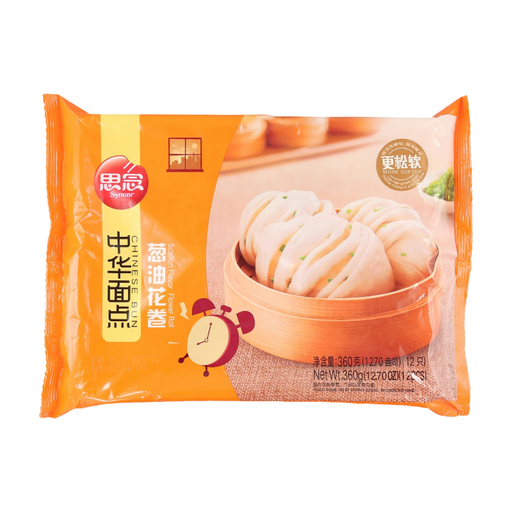
Why it suits this profile: Individually wrapped frozen rolls are easy to serve by the portion for breakfast, lunch or a light meal.
The preparation instructions are clear: steam from frozen for around 12 to 15 minutes. The product isn’t ready to eat straight away.
360 grams, individually wrapped and made with wheat flour and a spring onion flavour. Contains gluten, soya and sesame.
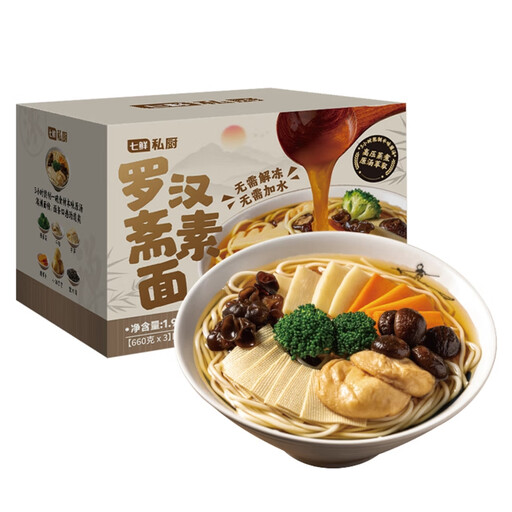
Why it suits this profile: The pack contains three portions, making it a good fit for households that want to prepare a quick Asian meal regularly.
The product description clearly states that it contains no egg, milk or meat. Even so, check the current label before buying.
1.98 kg across three packs; cook straight from frozen. Contains wheat, soya and sesame.
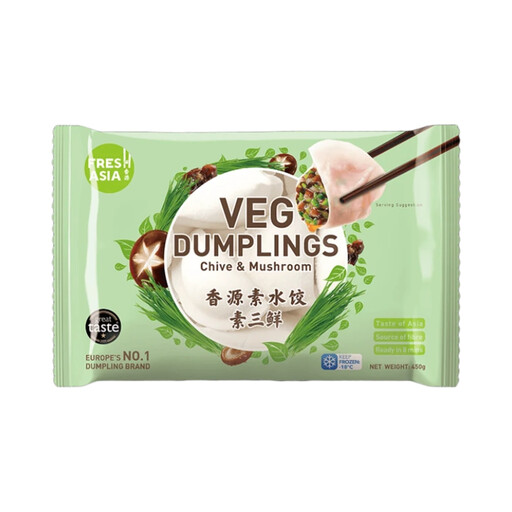
Why it suits this profile: A good choice if you want to prepare one product in several ways: boil, steam or pan-fry until crispy.
The instructions give separate cooking times for boiling, pan-frying and steaming, so there’s no need to guess.
450 grams, with cabbage, spring onion, black fungus and mushroom. Contains gluten, peanuts and sesame.
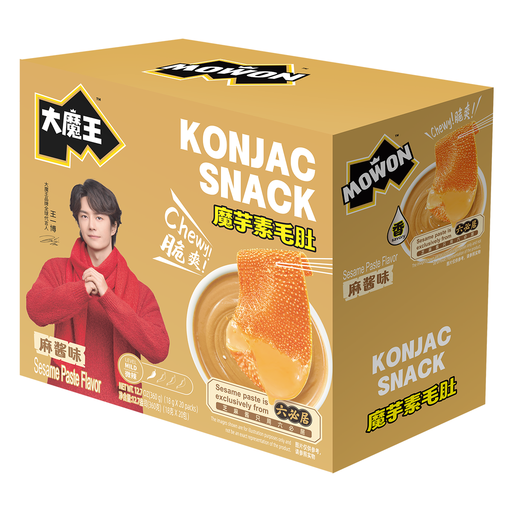
Why it suits this profile: Twenty individual portions are easy to take with you and eat straight from the pack.
According to the product information, it’s ready to eat. So there’s no risk of preparing a raw frozen product incorrectly or for too little time.
20 packs of 18 grams and a konjac base. Contains soya, sesame and wheat; keep the pack sealed once opened.
We’ve put together a complete, up-to-date list of products that meet these strict selection criteria and the applicable European safety regulations.
No. Some products contain egg, dairy, shellfish or ingredients whose origin isn’t obvious from the product name. Check the ingredients list and allergen information. The product description for the 7FRESH noodles explicitly states that they contain no egg, milk or meat, but always check the current label when you buy them.
The exact shelf life is shown on the packaging. As a general rule, store frozen products at -18 °C or below and don’t refreeze them after defrosting. Store opened packs according to the product instructions and use them quickly in most cases.
Dumplings, buns and vegetarian noodles are suitable when you want to boil or steam something. For food that needs no preparation, ready-to-eat konjac snacks, seasoned tofu and other vegetarian snacks are more convenient. Choose based on portion size, allergens and salt content, not just the packaging.
