
Vandaag of morgen in huis

Kwaliteit gegarandeerd

Welkomstaanbiedingen ontgrendelen: GRATIS bezorging | Tot 80% korting | Gratis 30 dagen JoyPlus-proefperiode
Download de app
Fancy the savoury, spicy flavours of China but don't want the usual crisps or sweet bars? Then vegetarian Asian snacks such as soya snacks, dried tofu and plant-based meat snacks are well worth a look. They're often ready to eat straight from the packet and have a firm, chewy texture.
However, a product labelled "vegetarian beef" isn't automatically suitable for every vegetarian or vegan. The differences in ingredients, protein content, portion size and salt levels can be significant. The points below will help you avoid a disappointing purchase.
Terms like vegetarian beef jerky, vegan steak or plant-based meat snacks usually describe the intended flavour or texture. Always check the ingredients list. Some products contain soya and wheat gluten, while others may also include sesame or milk derivatives.
A clear example is a snack with "beef flavour": this can refer to a flavouring, but according to the product information for Hao Ba Shi Lamp Shadow Vegetable Beef Jerky Original Flavour, this product contains beef flavouring and lactose among other things. This doesn't automatically make it suitable for vegans.
The product name Roasted Gluten-Free 150g creates a certain expectation, but the available product information lists water and gluten as ingredients. Anyone with coeliac disease or who must strictly avoid gluten cannot rely on the product name alone. Always check the current packaging and allergen declaration before purchasing.
Many vegan meat snacks are relatively high in protein, but can also be high in fat or salt. For example, Wuxianzhai Vegetarian Beef Tripe Snack Mala Flavour contains 27.3g of protein per 100g according to the nutritional information, compared to 2.6g of salt. Another snack may have less protein but a milder seasoning. So compare the values per 100g rather than just looking at the front of the packet.
For a protein-rich snack, soya protein, soya flour, wheat gluten and konjac are commonly used ingredients. Pay attention to the order in the ingredients list: ingredients listed first generally make up a larger proportion of the product.
A higher protein content is an objective nutritional fact, not a guarantee that the flavour or texture will suit your preferences.
"Mala" refers to the combination of chilli and Sichuan pepper. It delivers both heat and a tingling or numbing sensation. If you're less familiar with Chinese flavours, it's better to start with barbecue, original or mildly spicy varieties.
In particular, check:
According to the brands' own product information, flavour enhancers and spices are used to create a powerful savoury taste. That's a product specification, not a health claim.
A bag of 80 to 125g is practical for home or on the go. Individually wrapped snacks are more convenient for a lunchbox, office or travel. The Yanjin Pu Zi Vegan Steak, for example, comes as 18g × 20 individual portions. A larger bag, such as 368g, is more interesting if you also want to serve the snack with noodles, rice or a hotpot.
Storage advice varies after opening. Some products need to be consumed quickly; Wu La Ma Vegetarian Beef Balls should be refrigerated after opening according to the product information. Always follow the label on the packaging.
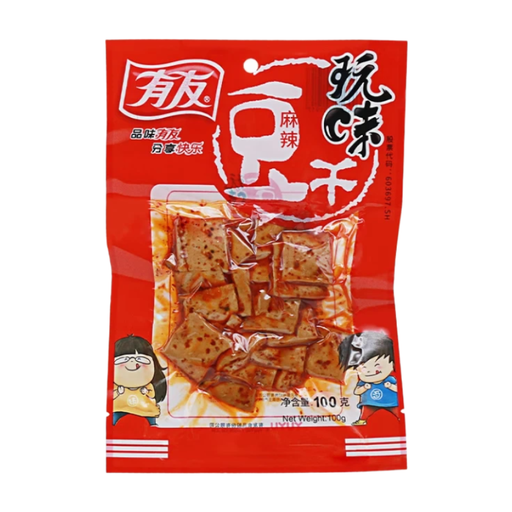
Why this fits the profile: A manageable portion for anyone wanting to try mala and dried tofu without buying a large pack straight away.
The product information lists soya as an allergen and gives 20.7g of protein per 100g. Do check the current packaging for heat and salt levels.
100g, ready to eat and 5.6g of dietary fibre per 100g according to the product information.
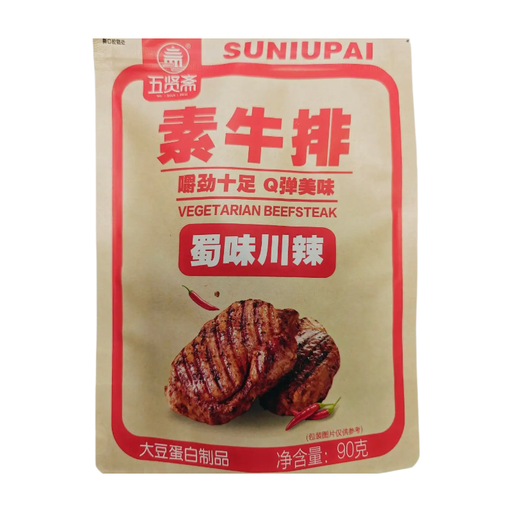
Why this fits the profile: For fans of a firm bite, pronounced Sichuan seasoning and a snack that's more like vegetarian beef jerky.
The product information clearly lists soya and gluten as allergens. This means you can compare the name "vegetarian steak" against the ingredients.
28g of protein per 100g and 90g net weight; ready to eat according to the product information.
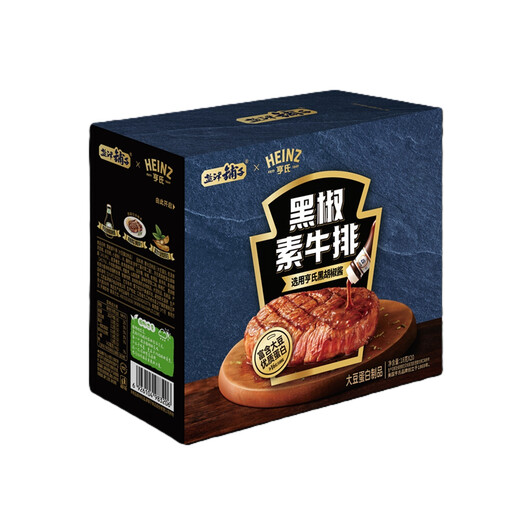
Why this fits the profile: Handy for the office, on the go or for stocking up, thanks to twenty individually wrapped portions.
The portion size is clearly stated: 18g per pack. The allergen list mentions soya, wheat and barley; not suitable if you have a gluten allergy.
Twenty individual portions, ready to eat, with 16.7g of protein per 100g according to the nutritional information.
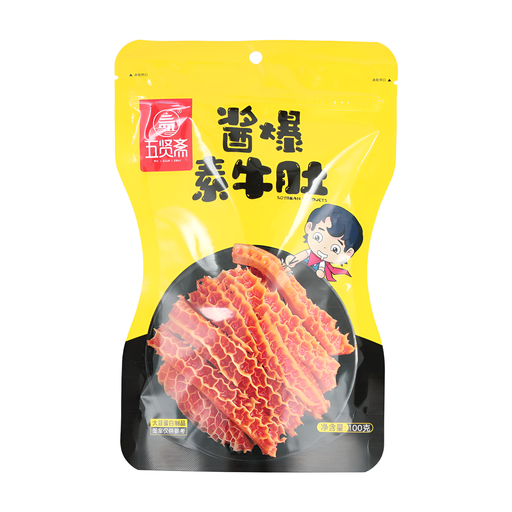
Why this fits the profile: For anyone who prefers a springy konjac texture and a savoury sauce over a dry snack.
The base is konjac and the product information lists soya and wheat. It also states 28.1g of protein per 100g, so you can assess texture and nutritional values together.
100g, ready to eat and refrigerate after opening according to the product information.
We've put together a full, up-to-date list of products that fully meet these strict selection criteria and comply with current European safety regulations.
No. Check the ingredients and allergens. Some products contain only plant-based ingredients according to the product information, but others may contain milk, lactose or animal-derived flavourings. Also, "vegetarian" may appear on the packaging without the product being vegan.
This varies by product. In the selection mentioned, Wuxianzhai Vegetarian Steak contains 28g of protein per 100g. Youyou Mala Dried Tofu contains 20.7g and the Yanjin Pu Zi Vegan Steak 16.7g per 100g. Also compare salt, fat and portion size.
Follow the label on the specific product. Many ready-to-eat vegetarian snacks should be eaten quickly after opening and stored in a sealed container. Some products, such as vegetarian balls, need to be refrigerated after opening. Always check the best-before date and the current packaging too.
