
Vandaag of morgen in huis

Kwaliteit gegarandeerd

Welkomstaanbiedingen ontgrendelen: GRATIS bezorging | Tot 80% korting | Gratis 30 dagen JoyPlus-proefperiode
Download de app
Vegetarian Asian frozen foods are a lifesaver on busy workdays, for a quick snack, or for a hotpot evening. However, not every product is automatically vegan, equally versatile, or suitable for your preferred cooking method. An attractive packet tells you little about allergens, portion size, and cooking time.
As a Joybuy Product Recommendation Officer, I filter product information based on verifiable points. This helps you see more quickly which vegetarian dumplings, tofu products, bao buns, and other Asian frozen meals fit your diet.
A vegetarian product can contain milk, egg, or other animal-derived ingredients. For example, the MORA Veggie Satay contains egg white and milk powder. The Iglo Vegetable Idea Farm Mix contains butter and therefore milk. If you’re looking for vegan Asian food, you must always check the full ingredients list and allergen information.
A product description with words like “plant-based” or “vegetarian” is no substitute for the label. Also check the cooking instructions and any warnings about traces of allergens.
A large pack may seem good value, but it isn’t always practical for a small household. Pay attention to the net weight, the number of portions, and whether you can re-store the product after opening. According to the product information, many frozen foods should not be refrozen once thawed.
A 600g pack of gyoza can be great for several meals, whereas a 200g bag of tofu products might be more convenient for a single hotpot or soup.
Dumplings, buns, and rice cakes have different cooking methods. Some products can be cooked straight from the freezer; others need to be steamed or pan-fried. Eating raw is not suitable for products with the instruction “cooking required”.
So check before you buy whether you need a steamer basket, pan, microwave, or simmering broth. That prevents disappointment when a quick meal actually requires more preparation.
For vegetarian and vegan shoppers, milk, egg, fish, shellfish, soya, sesame, and gluten are key points to check. Many Asian products contain wheat in the dough or soya sauce. Tofu, tofu skin, and many vegetarian meat alternatives often contain soya.
The San Quan Mushroom & Bok Choy Vegetarian Dumplings contain, among other things, wheat, soya, and sesame. According to the product information, the filling consists of Chinese cabbage, mushrooms, and black fungus. This makes them suitable for a meat-free meal, but not automatically for someone with a soya, gluten, or sesame allergy.
Compare the cooking method with your kitchen routine:
Use the nutritional information table to compare products fairly. Look per 100g at energy, protein, fat, carbohydrates, and salt. A product with a meat alternative is not necessarily more nutritious than a vegetable mix; the composition varies widely.
For example, the Wu Chung Roasted Vegetarian Chicken states 12g of protein per 100g and, according to the product description, is ready to eat. The 7FRESH Private Chef’s Vegetarian Monk’s Noodles come as three packs of 660g. This is practical for multiple eating occasions, but requires enough freezer space.
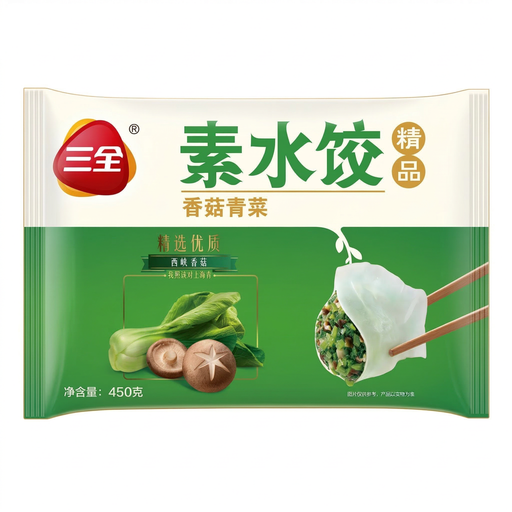
Why this fits the profile: A versatile pack for anyone trying vegetarian dumplings for the first time. You can boil, steam, or pan-fry them.
The product information clearly states that cooking is required and lists three cooking methods. Do check for the presence of wheat, soya, and sesame.
450g, filling with Chinese cabbage and mushrooms, suitable as a meal or snack.
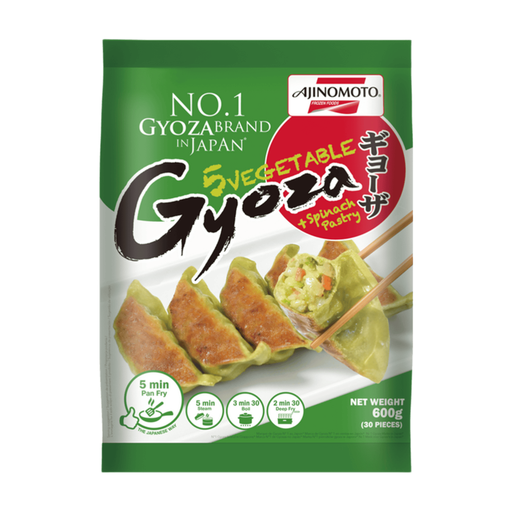
Why this fits the profile: A generous pack for fans of Japanese gyoza who want to prepare multiple portions.
The product information states that vegetables make up 55% of the composition and lists allergens such as gluten, soya, and sesame. Check the current packaging.
600g, spinach in the dough, and suitable for vegetarians and vegans according to the product description.
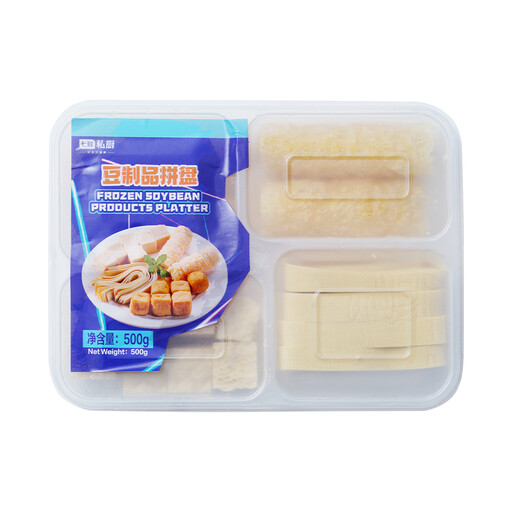
Why this fits the profile: For households that regularly use vegetarian hotpot ingredients and want to combine different textures.
The pack combines four clearly described soya products. This means you don’t have to buy several separate bags, but you do need to check for soya.
Contains frozen tofu, tofu skin, soya puffs, and fried tofu rolls; intended for cooking in hot broth.
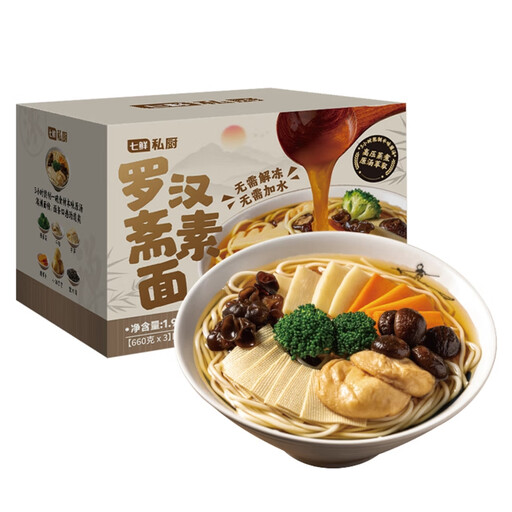
Why this fits the profile: Ideal for anyone who likes to batch cook and keep a good stock of vegan noodle meals on hand.
According to the product description, the noodles are free from egg, milk, and meat. If you have allergies, still check the current packaging; wheat, soya, and sesame are listed.
Three packs of 660g; according to the product information, cook directly without defrosting first.
We’ve put together a full, up-to-date list of products that fully meet these strict selection criteria and comply with current European safety regulations.
No. Vegetarian products can contain milk or egg. Check the ingredients list, allergens, and any vegan label on the packaging. If in doubt, the product information on the label is definitive.
This varies by product. Many dumplings can be boiled, steamed, or fried from frozen. Follow the specific instructions and heat them through thoroughly. Defrosting isn’t always necessary, but refreezing after defrosting is generally not recommended.
Store products according to the label, usually at -18 °C or lower. The best-before date is on the packaging. After defrosting, follow the instructions for chilled storage and consume quickly. The exact storage time can vary by product.
