
Vandaag of morgen in huis

Kwaliteit gegarandeerd

Welkomstaanbiedingen ontgrendelen: GRATIS bezorging | Tot 80% korting | Gratis 30 dagen JoyPlus-proefperiode
Download de app
Looking for a snack, but want to avoid the usual chips and cookies? Vegetable snacks might seem like the logical choice. The shelves are filled with colourful bags promising a healthier alternative. But not every vegetable snack is what it seems. Before you fill your cart, it's wise to know what to look for.
Many products capitalise on the desire for healthier snacking, but they hide pitfalls that can make your purchase less sensible than you think.
To avoid falling into these traps, there are a few objective criteria to help you make a better choice. Focus on the facts, not the marketing.
The foundation of a good snack is a short and clear ingredient list. The fewer unrecognisable additives, the better. Also, pay attention to the preparation method, as it has a major impact on the nutritional value.
Also, look at the vegetable percentage. A product made of 80% sweet potato is entirely different from a flour-based snack with a pinch of vegetable powder for colour and flavour. For vegan snacks, it's especially important to check for hidden animal-based ingredients like milk powder.
Don't be misled by "per portion" values. The only fair way to compare products is by looking at the nutritional values per 100 grams. Pay special attention to:
Vegetable snacks are more than just vegetable chips. The range is incredibly diverse, from crispy seaweed snacks from Asian cuisine to pickled vegetables from Turkey. Explore different types to discover what suits your taste. Asian snacks often offer unique flavours like umami, while Mediterranean options tend to focus on pure, sour, or salty tastes. Sweet potato chips are also a popular variety with a slightly sweet flavour.
To help you get started, we've highlighted a few products that suit different snacking moments and preferences.
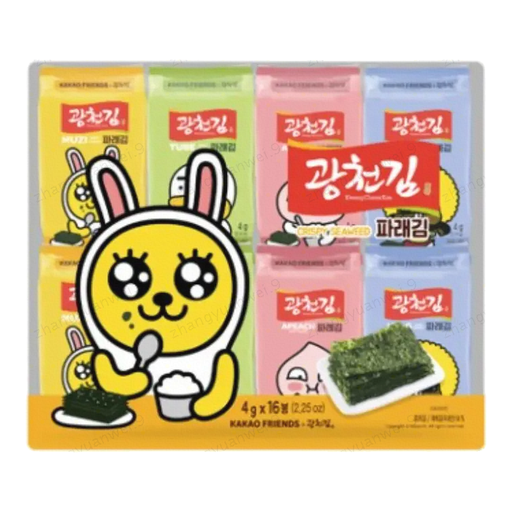
Why This Fits Their Persona: Perfect for those seeking a light, crispy, and savoury snack with a unique umami flavour. This authentic Korean seaweed snack is a world away from standard chips and is ideal for social gatherings or as a quick bite.
This product sidesteps the "healthy illusion" trap. It's a naturally light snack. The ingredient list is short and focuses on the flavour of seaweed, not on hiding fat or sugar.
Made with 54% seaweed. Packaged in convenient portions, perfect for on-the-go snacking.
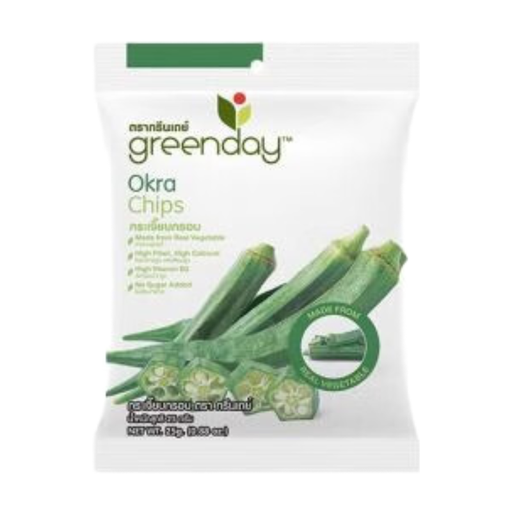
Why This Fits Their Persona: For those who want a snack that stays as close to the pure vegetable as possible. These chips are a prime example of a product with a minimalist approach, focusing on the natural flavour and texture of okra.
This product directly tackles the pitfall of vague ingredient lists. The list is extremely short and clear: 98% okra and 2% rice bran oil. No hidden additives, sugars, or flavour enhancers.
Made with 98% vegetables. According to the manufacturer, the product contains no preservatives, MSG, or artificial colours and is gluten-free.

Why This Fits Their Persona: For those who love the crunchy texture of chips but are looking for a different flavour. These sweet potato chips offer a slightly sweet and earthy taste that makes a pleasant change from the standard salted potato chip.
This product is transparent about its main ingredient: it's made with 80% sweet potato. This avoids the trap where the vegetable is just a minor component in a snack primarily made of flour and starch.
High percentage of the main ingredient (80% sweet potato). The manufacturer states the product is not deep-fried, which can contribute to a different texture and fat profile.
We've compiled a complete, up-to-date list of products that meet these strict selection criteria and regulations.
Are vegetable chips really healthier than regular chips? Not necessarily. It depends entirely on the preparation method, ingredients, and nutritional values. Deep-fried vegetable chips can contain just as much fat and salt as potato chips. The key is to always compare the nutritional values per 100 grams and opt for baked, dehydrated, or freeze-dried varieties with a short ingredient list.
What should I look for when seeking vegan snacks? Carefully check the ingredient list for animal-based products. Look out for additives like milk powder, whey powder, or certain flavourings that are not plant-based. Products with an explicit vegan label or a very short, clear ingredient list are often the safest choice.
What is the best way to store opened vegetable snacks? For crispy snacks like vegetable chips, seaweed snacks, or crackers, it's important to store them in an airtight container or bag after opening. This prevents them from absorbing moisture and becoming soft. Pickled products, such as gherkins or stuffed cabbage rolls, should be refrigerated after opening and consumed within the specified timeframe. Always consult the storage instructions on the packaging.
