
Vandaag of morgen in huis

Kwaliteit gegarandeerd

Welkomstaanbiedingen ontgrendelen: GRATIS bezorging | Tot 80% korting | Gratis 30 dagen JoyPlus-proefperiode
Download de app
If you follow a vegan or vegetarian diet, you may be looking for a simple way to supplement your daily nutrition. However, a pack labelled “vegan” is not automatically the right choice. The dosage, source of the nutrients and duration of use all determine whether a supplement is suitable for your needs.
As a Joybuy Product Recommendation Officer, I assess product information against verifiable criteria. This helps you quickly identify which vegan food supplements suit your diet, age and intended use.
A supplement may be vegan yet still contain ingredients you do not expect, such as large amounts of sweeteners, flavourings or unspecified additives. Always check:
If you prefer halal, gluten-free or lactose-free products, it is sensible to read the complete ingredients list and product warnings, rather than relying on the front of the pack alone.
A large amount may sound appealing, but it may be unnecessary for daily use. One example is vitamin C 1000 mg: this dosage is clearly stated on the labels of some chewable tablets, but that does not mean everyone needs this amount.
Pay attention to the difference between:
With magnesium, the amount of elemental magnesium is particularly important. The weight of the magnesium compound itself does not always tell you how much magnesium you are actually taking in.
The source is important when choosing vegan omega 3. Algal oil provides DHA and sometimes EPA, while many traditional omega 3 products use fish oil. Look for Schizochytrium sp. microalgae or a similar plant-based source.
Vitamin D also requires careful checking. A product may be described as vegan, while the origin of its vitamin D3 is not clearly stated on every product page. If in doubt, choose a product that explicitly says its vitamin D3 comes from a plant-based source.
Check how many capsules, gummies or tablets you use per day or per week. For example, a product containing 60 pieces may last 60 days, but it may also last only 30 days if the recommended dosage is two gummies per day.
A weekly dosage can be convenient if you prefer not to take several separate supplements. Davitamon Vitamin D 100% Plant-Based, for example, states that you should take one capsule per week, with 70 micrograms of vitamin D3 per capsule. If you already use other vitamin D products, add up your total weekly intake.
The format mainly affects ease of use:
When comparing vegan omega 3, do not just look at the total amount of algal oil. Pay particular attention to the amount of DHA and EPA per daily dosage.
A vegan multivitamin for adults is not automatically suitable for children or people aged 50 and over. When choosing food supplements for over-50s, age, sex and existing medication may all be relevant. Products such as Multi Man Complete 50+ and Multi Woman Complete 50+ are specifically aimed at these groups according to their product descriptions.
Do not take several products containing the same nutrients without checking first. This applies, for example, to vitamin D, iron, vitamin A, iodine and magnesium. If you take medication, are pregnant, are breastfeeding or have a medical condition, it is advisable to consult a doctor or pharmacist first.
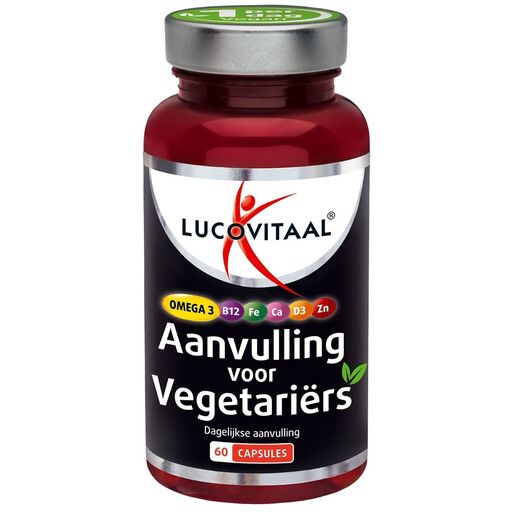
Why it suits this profile: One capsule a day combines DHA, vitamin B12, iron, calcium, vitamin D3, iodine, folic acid, vitamin C and zinc. This reduces the number of separate pots you need.
The product information states the amount per capsule, including 250 mg DHA, 5 mcg vitamin B12 and 14 mg iron. This allows you to compare specific values rather than relying solely on marketing terms.
60 capsules, one capsule a day and a vegan formula according to the product information.
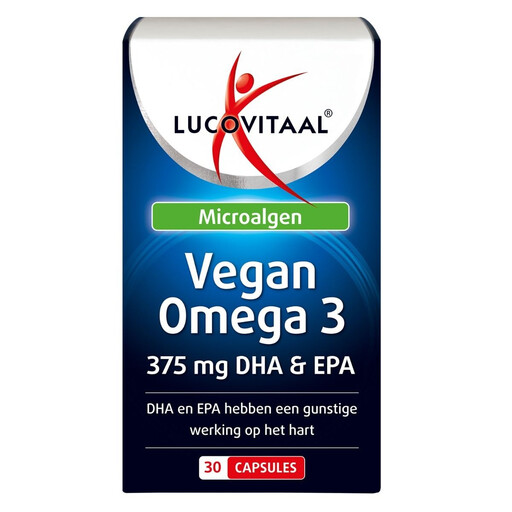
Why it suits this profile: Ideal if you are specifically looking for vegan omega 3 and want to check the ratio of DHA to EPA.
The source is algal oil from Schizochytrium sp. The product information specifies 282 mg DHA and 93 mg EPA per capsule, so you do not have to look only at “omega 3” on the packaging.
30 capsules, one capsule a day and, according to the product information, free from gluten, lactose, salt and added sugars.
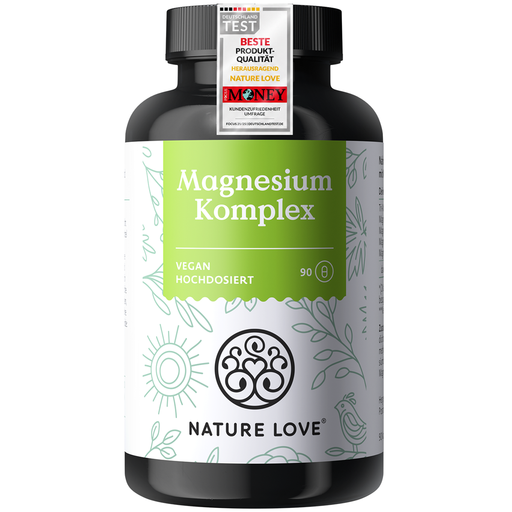
Why it suits this profile: Suitable for users specifically looking for a vegan magnesium supplement, for example alongside an active daily routine.
The daily dosage is stated as two capsules providing 416 mg of elemental magnesium. Five magnesium compounds are also listed, including citrate, bisglycinate, malate and oxide.
90 vegan capsules, free from gluten and lactose according to the product description. The warning states that a mild laxative effect may occur.
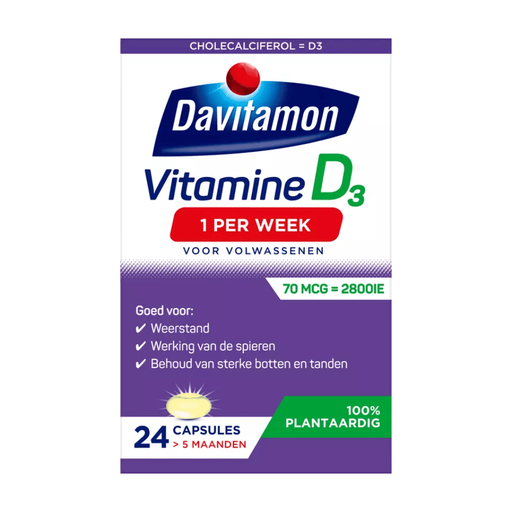
Why it suits this profile: For adults who want to take vegan vitamin D without having to remember a capsule every day.
The product information explicitly states that it contains plant-based vitamin D3, has a weekly dosage and provides 70 micrograms per capsule. This makes the source, amount and frequency of use clear.
24 capsules, one capsule per week and, according to the product information, free from lactose, gluten, sugar, yeast and preservatives.
We have put together a complete, up-to-date list of products that fully meet these strict selection criteria and the applicable European safety regulations.
Check every product for changes to its formula, packaging and usage instructions. The current packaging remains the definitive source of information.
This depends on your diet. Vitamin B12 often requires particular attention when following a fully plant-based diet. Vitamin D, iron, iodine, calcium and omega 3 may also be relevant when making comparisons. If you are unsure, discuss your nutritional intake or blood results with a doctor or dietitian.
Vegan omega 3 usually comes from microalgae and contains DHA, EPA or both. Fish oil is derived from animals. Always check the exact amount of DHA and EPA per capsule, as the total weight of algal oil is not the same as its omega 3 content.
Follow the recommended daily or weekly dosage and the storage instructions on the label. A pot lasts for as long as the number of pieces divided by the recommended dosage. Do not routinely take several supplements with overlapping ingredients alongside one another for extended periods. A food supplement is not a substitute for a varied diet and healthy lifestyle.
