What should you look for when buying?
First, compare the ingredients and nutritional information for the specific variety. Then decide on your portion and check how to store the pack after opening.
| What to consider |
What should you check? |
Who is this important to? |
| Energy per portion |
Compare kcal per 100 g and weigh your portion; calculate the energy based on its weight. |
If I want to know how much energy my weighed snack provides, I look at both the label and the portion size. Around 36% of consumers prioritise energy and portion control. |
| Vegan ingredients |
Read the ingredients and look for any vegan claim on the packaging of that specific variety. |
If I want to make a plant-based choice, I check the ingredients of the specific flavour and pack. Around 29% of consumers make this their top priority. |
| Salt |
Check the salt per 100 g rather than making assumptions based on how the peanuts are prepared. |
If I’m looking for unsalted peanuts to snack on regularly, I check the label rather than relying on terms such as ‘oven baked’. Around 21% of consumers prioritise unsalted snacks. |
| Portioning and storage |
Check the net weight, stated portion size and storage advice for after opening. |
If I want to use a pack over several occasions, I look at the portion size and make sure the storage advice is suitable. Around 14% of consumers make practical portioning and storage their main priority. |
Peanuts at Joybuy
These product picks are suited to portioning, unsalted snacking and comparing different preparation methods.
 No image available
g'woon Unsalted Peanuts, 250 g
The product title describes this variety as unsalted, making it a good option if you want to avoid added salt. Check the nutritional information and ingredients on the pack, and weigh your portion.
View at Joybuy
 No image available
G'woon Peanuts in Shell, 500 g
The title says these peanuts are in their shells. Bear in mind when portioning that the pack is not the same as a single snack portion. Check the nutritional information and ingredients for this variety.
View at Joybuy
 No image available
Verse Extra Large Roasted Peanuts, 210 g
The title describes these as roasted peanuts. If you’re keeping an eye on energy or added salt, compare the nutritional information and ingredients for this specific variety with your other options.
View at Joybuy
 No image available
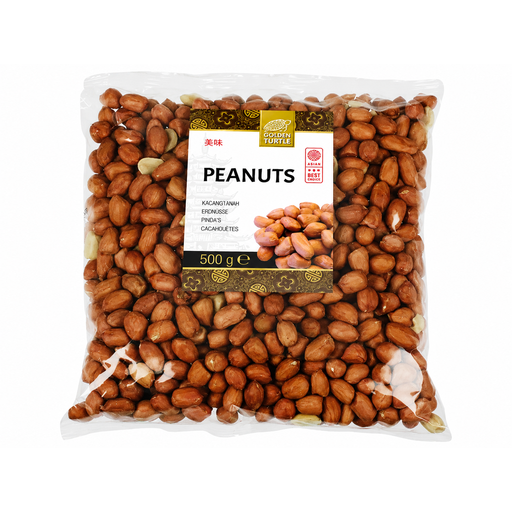
Golden Turtle Premium Raw Peanuts with Skin, 500 g
The product title describes these as raw peanuts with their skins on. Before buying, check the ingredients and preparation information, and compare the nutritional information with that of other varieties.
View at Joybuy
 No image available
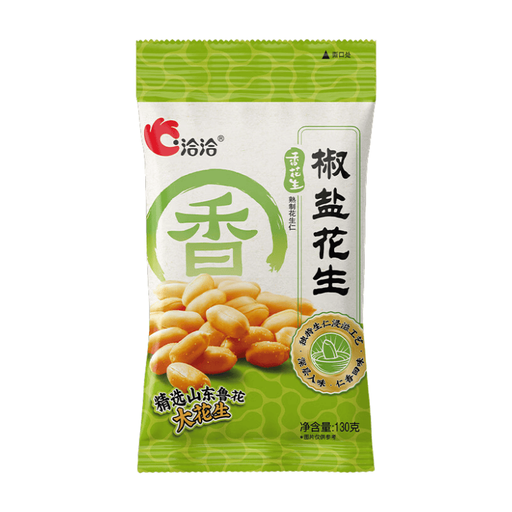
ChaCha Salted Peanuts, 130 g
The product title describes these as salted peanuts, which matters if you’re looking for an unsalted variety. Check the salt content and nutritional information on the pack.
View at Joybuy
Frequently asked questions
When can a product be described as low in calories in the Netherlands?
For solid foods, the ‘low energy’ claim and claims with the same meaning require no more than 40 kcal (170 kJ) per 100 g. The regular unsalted peanuts reviewed here do not meet that requirement; a smaller, weighed portion is not the same as a low-calorie product.
Is 25 g of peanuts a mandatory maximum for everyone?
No. Albert Heijn gives 25 g as the portion size for the variety reviewed, and the Netherlands Nutrition Centre also uses 25 g as an example for calculations. It is not a personal upper limit. Calculate the energy using the label for your product and the weight of your own portion.
Does a vegan certification mean that peanuts are free from allergens?
No. The Dutch Vegetarian Association stresses that a V-Label is not an allergen declaration, and peanuts are an allergen in their own right. If you have a relevant allergy, check the ingredients and allergen warnings separately.
What are the rules in the Netherlands for a ‘may contain’ warning?
Since 1 January 2026, the NVWA has been overseeing the new rules for warnings about accidental cross-contamination. Such a warning must be based on a risk assessment and reference values. The permitted wording is ‘May contain X’ and ‘Not suitable for people with an X allergy’. The warning concerns allergens, not whether the recipe is vegan.
How should you store an opened bag of peanuts?
Follow the advice on the packaging of the specific variety. For Duyvis Ongezouten, the PLUS product page recommends storing the peanuts in a cool, dry place and, once opened, preferably transferring them to a light-proof, airtight container.


