
Vandaag of morgen in huis

Kwaliteit gegarandeerd

Welkomstaanbiedingen ontgrendelen: GRATIS bezorging | Tot 80% korting | Gratis 30 dagen JoyPlus-proefperiode
Download de app
Vegan food supplements may seem easy to compare at first glance. The label often says “vegan”, “natural” or “high-strength”. However, such a term does not automatically tell you whether a product is suitable, what it contains or how much it costs per daily dose. If you only look at the front of the packaging, you may end up paying for ingredients you do not need or choosing a product that does not suit your diet.
1. “Vegan” does not always mean that every product is suitable for your needs
A vegan capsule may contain herbs, vitamins, minerals or algae oil, but the dosage can vary considerably from one product to another. Always check the full ingredients list, recommended amount and any allergens. Also pay attention to the difference between vegan and vegetarian. For example, a collagen product made from eggshell membrane is vegetarian, but not vegan.
2. A high dosage is not automatically a better choice
With vegan vitamins, biotin for hair and vitamin C, you may sometimes see remarkably high amounts. A higher dose may be relevant in a specific situation, but it is not necessary for everyone. Check the reference intake, your total daily intake from other supplements and any warnings. Biotin, for example, can affect certain laboratory test results; the Lucovitaal label therefore advises against using the product before a blood test.
3. Claims about effects are no guarantee of personal results
According to a brand’s own research or product information, ingredients may contribute to energy, hair condition, sleep or libido, for example. That does not mean that everyone will experience the same effect. Claims about maca and shilajit, a sleep supplement, libido supplements or weight-loss supplements should therefore be considered alongside the ingredients, dosage and legal product category.
The source is important when choosing vegan omega 3. Algae oil, such as Schizochytrium sp., provides DHA and sometimes EPA without fish oil. Check the amount of DHA and EPA per capsule, rather than just the total amount of algae oil.
With probiotics, look at the number of bacterial cultures and the amount of CFU per daily dose. CFU stands for colony-forming units. The capsule format also matters: according to the product description, an acid-resistant capsule may be designed to protect the cultures more effectively against stomach acid.
Hydroxypropyl methylcellulose is a commonly used plant-based capsule shell for vegan capsules. Also check whether the product is made in a facility that processes milk, soya, gluten or nuts.
Do not just compare the number of capsules or gummies in a pot. Calculate the price per daily dose. A pack containing 60 capsules may last 30 or 60 days, depending on the recommended intake.
Examples:
Not every product in this category is a standard food supplement. Lucovitaal Bloating Relief and Obesimed, for example, are classified as medical devices. Different usage instructions apply to these products than to vegan vitamins or herbal extracts.
For every product, read:
If symptoms persist or worsen, speaking to a doctor or pharmacist is wiser than combining several supplements yourself.
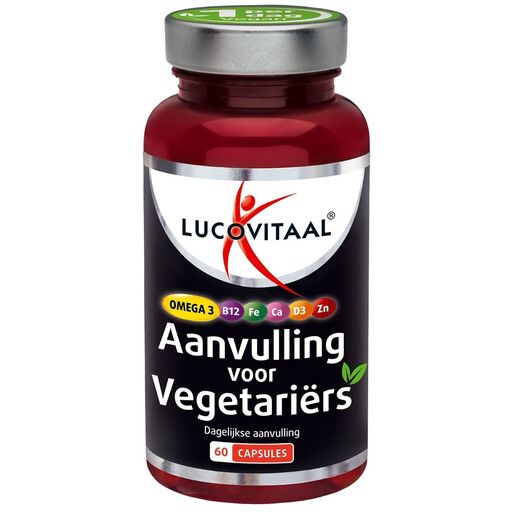
Why it suits this profile: A broad basic formula for adults and children aged 12 and over who want to get several nutrients from a single capsule.
The amounts per capsule are clearly specified, so you do not have to rely solely on the term “vegan”.
Contains DHA, vitamin C, iron, calcium, zinc, iodine, vitamin D3 and B12, among other nutrients; 60 capsules.
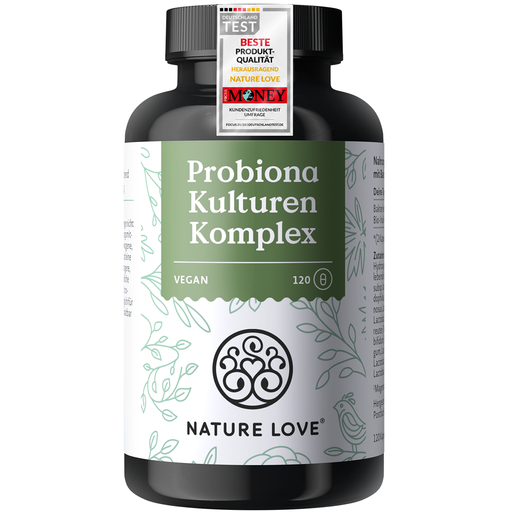
Why it suits this profile: Ideal for anyone who considers bacterial strains, CFU, capsule technology and a vegan formula when choosing probiotics.
The daily amount is clearly stated: 2 capsules provide 20 billion CFU, rather than just making a general claim about gut health.
20 bacterial cultures, organic inulin, acid-resistant capsule and 120 vegan capsules for approximately two months.
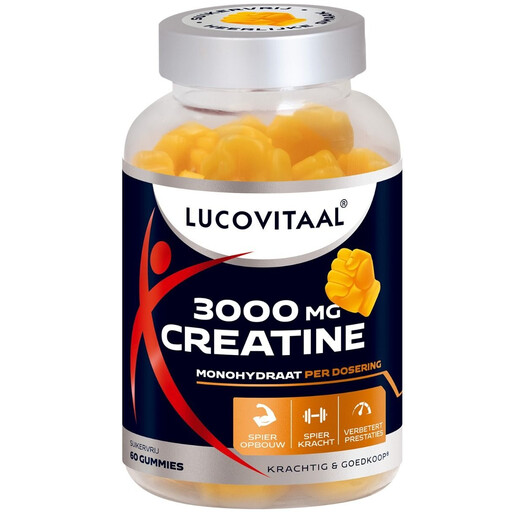
Why it suits this profile: For athletes who want to take creatine without mixing powder and prefer a vegan, sugar-free gummy format.
The amount of creatine per daily serving is clearly stated: 3000 mg for 3 gummies. However, check the current packaging, as the usage instructions also mention 3 to 6 gummies.
60 gummies, vegan and sugar-free according to the product information; no shaker or measuring spoon required.
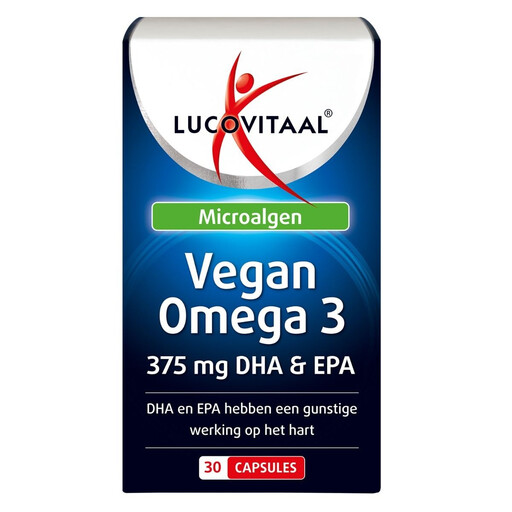
Why it suits this profile: A targeted choice for anyone who wants to use algae oil instead of fish oil.
The source, algae oil, and the individual amounts of DHA and EPA are specified.
282 mg of DHA and 93 mg of EPA per capsule; vegan, gluten-free and lactose-free according to the product information.
We have put together a complete, up-to-date list of products that fully meet these strict selection criteria and the applicable European safety regulations.
That depends on your diet and personal circumstances. Many consumers mainly compare vitamin B12, vitamin D, iron, calcium, iodine, omega 3 and vitamin C. A combined product can be practical, but check the dosages and avoid getting the same nutrients twice from multiple vegan supplements.
Check the best-before date and storage instructions on the packaging. Capsules should generally be stored in a cool, dry place away from direct sunlight. Gummies may be more sensitive to heat and moisture after opening. Lucovitaal Hair Vitamin Gummies advise consuming them within 60 days of opening and storing them in a cool, dry place.
This should not be assumed without checking. Make sure ingredients such as magnesium and calcium, vitamin C, zinc, biotin or herbal extracts do not overlap. If you take medicines, are pregnant or breastfeeding, or have a medical condition, it is advisable to consult a doctor or pharmacist. A supplement is not a substitute for a varied diet and healthy lifestyle.
