
Vandaag of morgen in huis

Kwaliteit gegarandeerd

Welkomstaanbiedingen ontgrendelen: GRATIS bezorging | Tot 80% korting | Gratis 30 dagen JoyPlus-proefperiode
Download de app
A vegan diet can fit well with a conscious lifestyle, but the range of plant-based food supplements is extensive. One capsule may contain just a single nutrient, while another formula combines multiple vitamins, minerals, herbal extracts and amino acids. This means that comparing products based only on the words “vegan” or “natural” is not enough.
Pay particular attention to three common pitfalls:
If you are buying vegan food supplements, it is therefore wise to define your goal first: do you want to top up vitamins for vegans? Are you looking for vegan omega-3, or are you interested in vegan magnesium, vegan probiotics or a herbal supplement?
“Plant-based” can mean different things. With omega-3, the difference between fish oil and algal oil is important. Vegan omega-3 from microalgae, such as Schizochytrium sp., fits a vegan diet. Then check whether the label lists DHA, EPA or both.
Hydroxypropyl methylcellulose (HPMC) is often used for vegan capsules. Check the full ingredients list, as excipients, coating and flavourings also help determine whether a product suits your dietary choices. A vegetarian product is not automatically vegan.
Do not just compare the number of capsules in a pack. Pay particular attention to:
For example, a pack containing 90 capsules may last 30, 45 or 90 days. With magnesium, the difference between the weight of the magnesium compound and elemental magnesium is also relevant. Nature Love, for example, states 416 mg of magnesium per daily serving of two capsules. This is a verifiable product specification, but a high dosage may have a laxative effect for some users, as warned in the product information.
A supplement is only practical if you can use it consistently. Therefore, consider the format:
Storage requirements vary from product to product. According to the product information, Lucovitaal Microalgae Vegan Omega-3 is preferably stored in the fridge, while other vegan supplements should be kept in a cool, dry and dark place at room temperature. Always check the packaging, especially after opening.
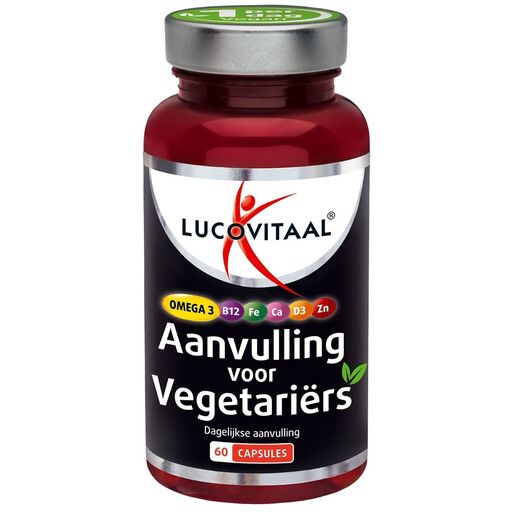
Why it suits this profile: A combination product can be a straightforward starting point for adults who want to get several nutrients from one vegan formula.
The formulation lists, among other things, 250 mg DHA, 14 mg iron, 10 mg zinc, 5 mcg vitamin B12 and 10 mcg vitamin D3 per capsule. This makes it easy to compare the contents in concrete terms.
One capsule per day, 60 capsules per pack and, according to the product information, suitable for adults and children aged 12 and over.
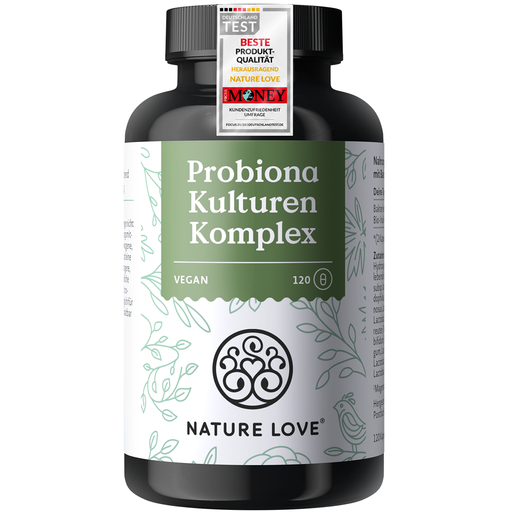
Why it suits this profile: A good choice for anyone comparing vegan probiotics by the number of bacterial strains, capsule format and amount per daily serving.
The product information states that it contains 20 bacterial cultures, 20 billion CFU per two capsules and an acid-resistant capsule. Before use, check the storage advice and expiry date.
120 vegan capsules, organic inulin from agave and two capsules as the stated daily dosage.
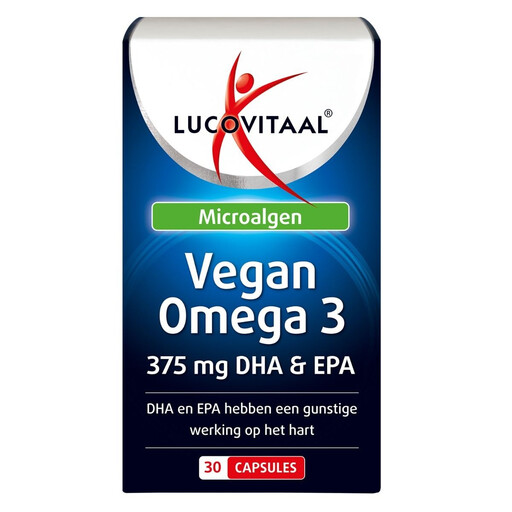
Why it suits this profile: A targeted choice for vegans specifically looking for DHA and EPA from algal oil rather than a broad multivitamin product.
The formulation specifies 282 mg DHA and 93 mg EPA per capsule. This means you compare the relevant omega-3 fatty acids, rather than just the total amount of algal oil.
One capsule per day, 30 capsules, algal oil as the source and, according to the product information, free from gluten and lactose.
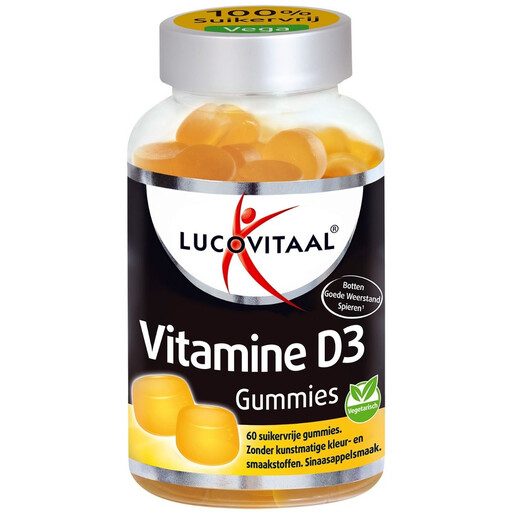
Why it suits this profile: Convenient for adults who would rather chew than swallow capsules and want a simple daily routine.
The dosage is clear: one gummy contains 25 mcg vitamin D3 and the recommended amount is one gummy per day. This makes the daily intake easy to keep track of.
60 gummies, orange flavour and, according to the product information, no artificial colours or flavourings.
We have put together a complete, up-to-date list of products that fully meet these strict selection criteria and the applicable European safety regulations.
A common mistake is buying several products without comparing their labels side by side. A multivitamin may already contain vitamin D, B12, iron, zinc and omega-3. If you then add separate vegan vitamin D or vegan omega-3, you need to reassess your total daily intake.
Also pay attention to terms such as “natural”, “high-strength” and “better absorption”. According to the brand’s own research, such wording may form part of the product communication. It does not replace clear information about ingredients, dosage and warnings. With products containing herbal extracts, 5-HTP, CBD or shilajit, extra caution is advisable, particularly if you take medication, are pregnant or breastfeeding. In these situations, ask a doctor or pharmacist for advice.
This depends on your diet, age and personal circumstances. Many consumers compare vitamin B12, vitamin D, iron, calcium, iodine and omega-3 as a minimum. A product such as Lucovitaal Vegan Supplement combines several of these nutrients. Always check that the dosage meets your needs and that you are not using other products containing the same ingredients.
Calculate this using the formula: number of capsules or gummies divided by the recommended daily dosage. A pack containing 60 gummies, with one gummy per day, lasts approximately 60 days. For probiotics containing 120 capsules, taken at two capsules per day, that is approximately 60 days. Also check the expiry date and any instructions for use after opening.
The price mainly depends on the source, dosage, product format and number of days of use. Algal oil for vegan omega-3, special capsule coatings and combinations containing multiple bacterial strains can affect the price. Therefore, compare the price per daily serving, rather than just the price of the pack.
A food supplement is not a substitute for a varied diet. Before buying, always check the current label, warnings and recommended dosage.
