
The vegan label reader
You want to avoid milk, milk fat, milk powder and other animal-derived ingredients. The ingredients lists for products such as De Ruijter and Venz show why ‘dark’ isn’t a reliable indicator.


When choosing vegan chocolate sprinkles, the ingredients list for the exact variant matters more than the word ‘dark’. Jumbo describes its Dark Chocolate Sprinkles 600 g as plant-based, but also warns that the product may contain milk; if you have a milk allergy, you’ll need to assess this separately. If you’d like to serve your sprinkles at the table in a glass jar, choose a clean, dry jar with a tight-fitting lid and check for yourself how much it holds.
You want to avoid milk, milk fat, milk powder and other animal-derived ingredients. The ingredients lists for products such as De Ruijter and Venz show why ‘dark’ isn’t a reliable indicator.
You want to transfer an opened pack into a sealable glass jar without losing the storage instructions or information about ingredients, allergens and shelf life.
You compare the sugar per 100 g and are open to a plant-based topping in a different form from classic chocolate sprinkles. Albert Heijn’s product information describes the No Sugar Daddies variants reviewed as chocolate chunks.
First, choose a product whose ingredients meet your vegan requirements. Then check the allergen warning, the product format you want and how you plan to store or serve it.
| What to consider | What to check when buying | Who it matters most to |
|---|---|---|
| Vegan ingredients | Check the ingredients for the exact variant for milk components and other animal-derived ingredients. Consider any milk warning separately. | I don’t want to rely on the word ‘dark’ if the sprinkles may contain milk fat; ingredients are the top priority for around 36% of consumers. |
| Glass serving jar | Choose a clean, completely dry jar with a tight-fitting lid. Check how much it holds using the jar itself, rather than relying only on the weight on the pack. | I like to serve chocolate sprinkles at the table and want to store the rest properly; around 29% of consumers focus most on choosing a practical jar. |
| Packaging and stock | Compare the pack weight with how much you want to transfer and how much you want to keep in the original packaging. | If I regularly refill a jar for the table, I want to know how much stock I’m buying; around 21% of consumers make this their top priority. |
| Sugar and product format | Compare the sugar per 100 g and decide whether you want chocolate sprinkles or chocolate chunks. | I mainly want to keep an eye on sugar, even if that means choosing a different type of topping; this matters most to around 14% of consumers. |
According to Albert Heijn’s product information, the De Ruijter and Venz dark variants reviewed contain fractionated milk fat; AH Dark Chocolate Sprinkles list whole milk powder.
Before buying, check the ingredients list for the exact variant, even if the front of the pack says ‘dark’.
Jumbo describes its Dark Chocolate Sprinkles as plant-based, but also states ‘May contain: Milk’. Not listing milk as an ingredient is not the same as guaranteeing there has been no possible contact with milk.
If you have a milk allergy, also read the allergen information on the current label and seek appropriate advice before choosing a product if needed.
A weight in grams doesn’t tell you how much space the chocolate sprinkles will take up in a jar. The shape of the topping can also make a difference.
Try transferring them into a jar you already have, or transfer only part of the pack. Store the rest according to the instructions on the original packaging.
The No Sugar Daddies products reviewed are plant-based chocolate chunks, not classic chocolate sprinkles. According to Albert Heijn’s product information, Original and Dark Chocolate contain 27 g and 34 g of sugar per 100 g respectively, but their different format is still something to consider separately.
Compare both the nutritional information per 100 g and the product format if you want to use the topping on bread or serve it from a jar at the table.
Jumbo Dark Chocolate Sprinkles are a traditional variety in a 600 g pack.
The 380 g dark chocolate sprinkles are an option if you also want to look for the Fairtrade claim on the pack.
Original and Dark Chocolate are 180 g chocolate chunks described as plant-based, rather than classic chocolate sprinkles.
The dark variants reviewed show why the type of chocolate doesn’t tell you whether the ingredients are vegan.
Venz Dark Chocolate Sprinkles are a traditional dark variety in a 400 g pack.
This product selection is for cocoa flakes as a topping for bread or yoghurt, not classic chocolate sprinkles or a glass serving jar. Always check the current label when choosing a vegan product.
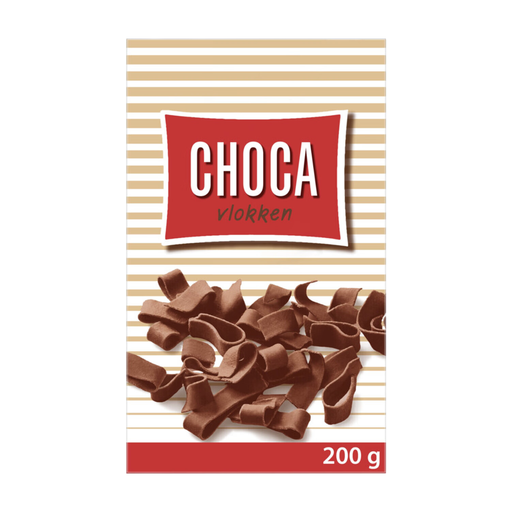 Image unavailable
An option if you’re looking for cocoa flakes for bread or yoghurt and don’t expect classic chocolate sprinkles.
The pack contains 200 g. Before use, check the current ingredients and the warning that the product may contain milk; if you have a milk allergy, assess this warning separately.
Store the topping in a cool, dry place. Try transferring some into your own jar to see how much you want to decant, and keep the label information with the remaining pack.
No. According to Albert Heijn’s ingredients information, the De Ruijter and Venz dark variants reviewed contain milk fat, while AH Dark Chocolate Sprinkles list whole milk powder. Check the ingredients for the exact variant rather than relying on the product name alone.
Jumbo describes the 600 g variant as plant-based and doesn’t list milk as an ingredient. However, the product carries the warning ‘May contain: Milk’; check the current label and assess this warning separately if traces of milk matter to you.
Yes. Use a clean, completely dry jar with a tight-fitting lid and follow the product’s storage instructions. Keep the original packaging, or make sure the ingredients, allergen information and best-before date remain available alongside the sprinkles you’ve transferred.
This warning refers to possible contact with milk. It doesn’t mean that milk is listed as an ingredient, nor does it confirm that the product is milk-free. Choosing vegan ingredients and managing a milk allergy may involve different considerations, so check both statements on the current label.