
Vandaag of morgen in huis

Kwaliteit gegarandeerd

Welkomstaanbiedingen ontgrendelen: GRATIS bezorging | Tot 80% korting | Gratis 30 dagen JoyPlus-proefperiode
Download de app
Making a cup of tea seems simple, but the wrong water temperature can ruin the flavour of a delicate green tea or make your coffee bitter. For new parents, getting the right temperature for baby formula is crucial. A standard kettle that only boils to 100°C isn't always the most practical solution.
A variable temperature kettle gives you the precision you need. In this article, we'll help you understand the features that truly matter. We'll highlight several popular choices based on their specifications, so you can find a model that fits your needs.
Before you make a choice, it's good to know which features are important. Here are a few practical considerations.
Not every hot beverage is the same. Green tea tastes best at around 80°C, while instant coffee is often prepared at about 90°C. A good digital kettle offers multiple temperature settings, for example, from 40°C to 100°C. Some models have convenient presets for specific drinks, which takes the guesswork out of it. This is especially useful if you're an avid tea drinker or use hot water for various purposes.
Kettles are usually made of stainless steel, plastic, or glass. A glass kettle is popular because you can watch the water boil and the material doesn't affect the taste. For plastic parts, look for a BPA-free label, a key consideration for health-conscious users. Safety features like boil-dry protection (which automatically shuts off the kettle when it's empty) and a sturdy, heat-resistant handle are standard on most modern appliances.
Some features might seem like a luxury but can be incredibly useful in practice. A kettle with a keep-warm function holds the water at the set temperature for a specific period. This is handy if you can't get to your drink right away. For tea lovers, a kettle with a tea infuser is a game-changer; you can steep the tea directly in the pot. Also, consider the power (wattage): a rapid-boil kettle (usually over 2000W) brings water to a boil faster.
Below is a selection of kettles that stand out for their specific features and functionalities.
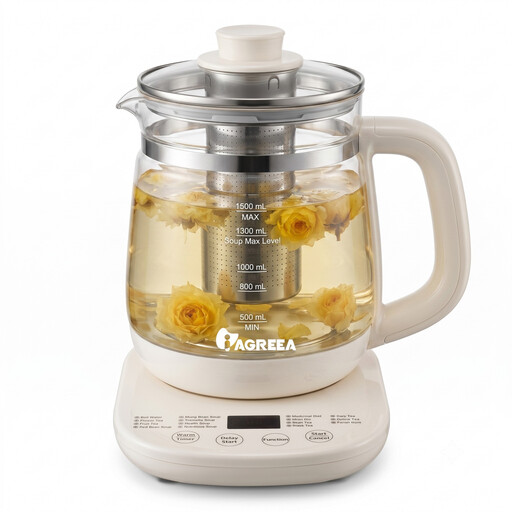
Why This Model Stands Out This model is more than just a kettle. With 14 preset programs for herbal tea, soup, and fruit tea, among others, it's a versatile kitchen appliance. The touch controls and precise temperature regulation make it a unique option.
Pros
Who Is This For? For the user looking for maximum versatility. Ideal for fans of herbal teas and infusions, or for those who want an appliance that can also help prepare things like soup or congee.
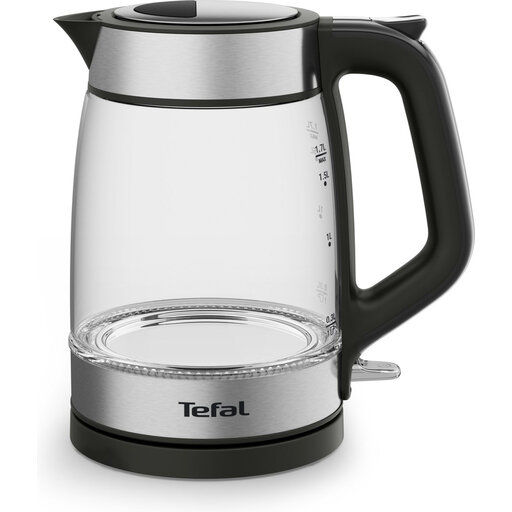
Why This Model Stands Out Although this model doesn't have adjustable temperatures, it's a popular glass kettle due to its sleek design, high power, and ease of use. The atmospheric LED lighting during boiling gives it a modern look.
Pros
Who Is This For? For households looking for a fast, reliable, and stylish kettle without the need for variable temperature settings. The focus here is on speed and design.
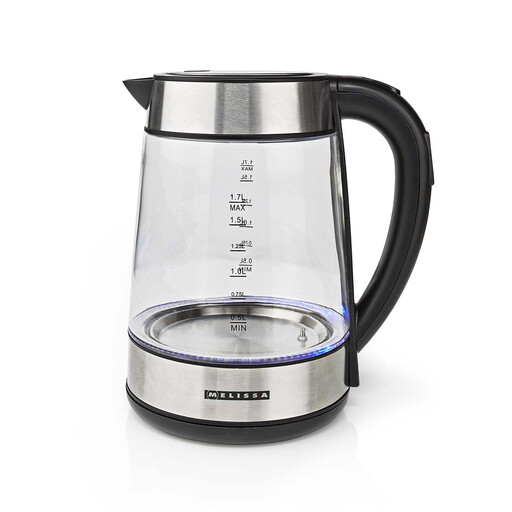
Why This Model Stands Out This kettle combines a sleek glass design with the precision of a digital kettle. The five clear temperature presets, each with its own coloured LED light, make operation intuitive and simple.
Pros
Who Is This For? For the tea or coffee enthusiast who wants precision without complicated menus. The clear presets and keep-warm function make it a very practical choice for daily use.
The right kettle is a personal choice. If the models above don't quite match what you're looking for, there are plenty of other options available. You might be looking for a different material, a larger capacity, or a specific design.
Check out more options in our glass kettle category for a broader overview.
1. Why is water temperature important for tea? Different types of tea, such as green, white, or black tea, release their best flavour at specific temperatures. For example, green tea brewed with boiling water (100°C) can become bitter. A temperature around 80°C is often better for this type of tea. A variable temperature kettle helps you get the most out of your tea.
2. Is a glass kettle better than a stainless steel one? Both materials have their advantages. Glass is taste-neutral, and you can clearly see the boiling process. Stainless steel is generally more durable and sometimes retains heat slightly better. The choice depends on your personal preference for design and durability.
3. How does a keep-warm function on a kettle work? A kettle with a keep-warm function ensures the water stays at the set temperature after it has boiled. The heating element periodically turns on briefly to maintain the temperature, usually for a period of 30 to 60 minutes. This way, you always have water ready at the right temperature.
