
Vandaag of morgen in huis

Kwaliteit gegarandeerd

Welkomstaanbiedingen ontgrendelen: GRATIS bezorging | Tot 80% korting | Gratis 30 dagen JoyPlus-proefperiode
Download de app
A cup of tea that tastes too bitter, or coffee with a scorched aftertaste? Chances are, the problem isn't your tea leaves or coffee beans, but the water temperature. A standard kettle boils water to 100°C, which is ideal for black tea but ruinous for delicate green tea or the perfect pour-over coffee. And for parents, waiting for boiling water to cool to the right temperature for baby formula is a familiar inconvenience.
A variable temperature kettle seems like the solution, but the market is flooded with models that overpromise and underdeliver. Before you invest, it's wise to understand the common pitfalls.
A smart purchase depends on seeing through these marketing claims and focusing on the specifications that truly matter.
To find a model that's worth its price, there are a few key points to check. These specifications determine whether a kettle will become a helpful kitchen assistant or a source of frustration.
The most important feature is, of course, the adjustable temperature. Don't just look at if you can control the temperature, but how.
The kettle's material affects its durability, taste, and safety.
Some features might seem like a luxury, but they significantly enhance daily convenience.
Based on objective specifications, we have selected a number of models that suit different user profiles.
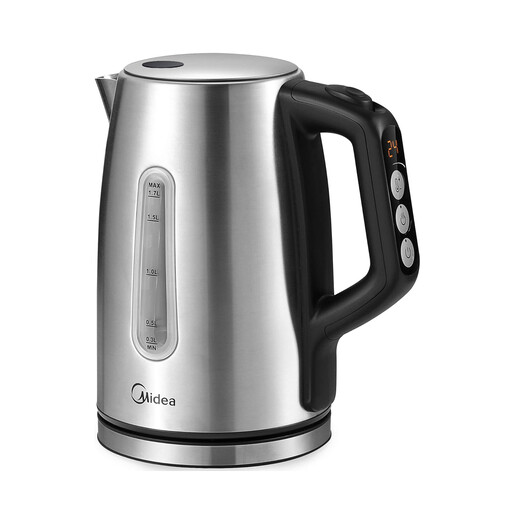
Why This Fits Their Persona: For those who want to achieve the perfect flavour from every type of tea or coffee, this model offers an exceptionally wide range of temperatures. The six settings (40, 60, 70, 80, 90, 100°C) cover everything from delicate white tea to robust coffee.
This model bypasses the pitfall of limited choices by offering six genuinely useful temperature settings. Furthermore, the double-walled construction ensures a safe, cool-touch exterior.
Very wide temperature range; 1.7-litre stainless steel kettle; keep-warm function for up to 60 minutes.
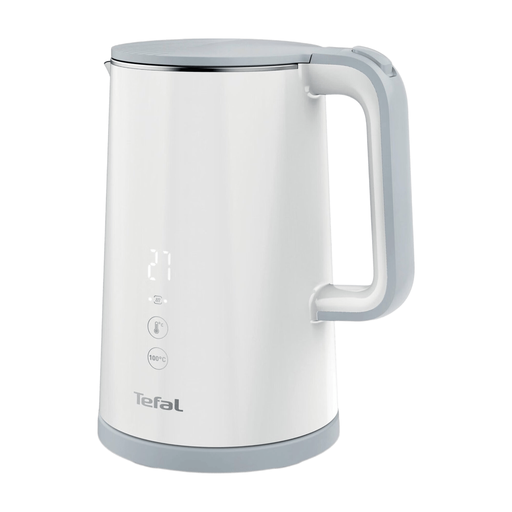
Why This Fits Their Persona: For a busy household where safety and convenience are paramount. The specific 40°C setting is ideal for preparing baby formula quickly and safely, while the double-walled housing prevents burn hazards.
This model tackles the safety issue head-on with its double-walled, cool-touch exterior. The 40°C setting is a practical addition that many simpler models lack.
Safe 'cool touch' exterior; specific 40°C setting for baby formula; 30-minute keep-warm function.

Why This Fits Their Persona: For those who love control, convenience, and technology. The app allows you to set the temperature with single-degree precision, create schedules, or turn on the kettle from the sofa. A modern addition to any smart home.
This model offers the ultimate precision by letting you choose any temperature between 1°C and 100°C via the app. You are no longer tied to the fixed, often impractical, presets of the manufacturer.
Wi-Fi connectivity for remote control; temperature adjustable by the degree via the app; sleek stainless steel design.
We have compiled a complete, up-to-date list of products that fully meet these strict selection criteria and safety regulations.
The frequency depends on the water hardness in your area. In regions with hard water, it is advisable to descale the kettle every 1 to 2 months. With soft water, this can be done every 3 to 4 months. Regular descaling ensures efficient operation and a longer lifespan for the appliance.
Yes, a double-walled kettle is typically more energy-efficient. The insulation between the inner and outer walls ensures that heat is retained better. As a result, the water cools down more slowly, which is especially useful in combination with the keep-warm function. The appliance needs to reheat less often, which saves energy.
This varies by model. Most kettles operate with preset temperatures, such as 40, 70, 80, 90, and 100°C. Some more advanced models, particularly smart kettles with an app, offer the ability to set the temperature precisely in one-degree or five-degree increments. Check the product description to see what options a specific model offers.
