
Households that snack on nuts every day
If you eat nuts regularly, you can choose the quantity and mix to suit your household’s snacking habits. The Netherlands Nutrition Centre recommends unsalted, unroasted or lightly roasted nuts.


A larger pack is most suitable when several people eat nuts regularly and you can store the contents properly once opened. Choose based on how much you expect to use, the types of nuts and how they’re prepared; unsalted doesn’t automatically mean unroasted. If someone has a food allergy, or you’re buying for young children, check separately that the product and its form are suitable.
If you eat nuts regularly, you can choose the quantity and mix to suit your household’s snacking habits. The Netherlands Nutrition Centre recommends unsalted, unroasted or lightly roasted nuts.
If you don’t eat many nuts, a smaller pack may be a better match for the amount you want to open. Seal the pack well after use and follow the storage advice on the product.
If you’re hosting people with different dietary needs, it’s useful to check the ingredients and allergens on the label. For children under 4, Amsterdam UMC recommends nut butter rather than whole nuts because of the choking risk.
Choose a quantity that suits how much you expect to use, then compare the ingredients, preparation method and storage instructions on the specific pack.
| What to consider | What should you look for? | Who is this important for? |
|---|---|---|
| Quantity for your household | Net weight and how often the nuts will be eaten. | If I want to stock up for several snack breaks, I look at how much is in the bag and whether we’ll use it all. Around 25% of consumers prioritise having a suitable amount in stock. |
| Ingredients for everyday snacking | Ingredients, added salt and preparation method; unsalted isn’t the same as unroasted. | If I’m looking for unsalted nuts, I also want to know which types are included and how they’ve been prepared. Around 25% of consumers give the ingredients for everyday snacking top priority. |
| Storage and portioning | Storage advice on the label and whether the pack can be resealed securely. | If I only want to open a small amount at a time, I consider the quantity and how I can store the rest after use. Around 20% of consumers prioritise manageable portions and stock levels. |
| Flavour for guests | Types of nuts, preferred preparation method and any coating. | If I’m looking for something to serve to guests or with drinks, I consider the types and flavours I want to offer. Around 15% of consumers give flavour and variety top priority. |
| Suitability for those eating them | Current label, allergens and a suitable form for young children. | If someone with a food allergy or a young child will be eating with us, I check the ingredients and form of the food first. Around 15% of consumers prioritise suitability for people with specific needs. |
Nuts and peanuts can be allergens; whole nuts also pose a choking risk for young children.
Read the latest label and choose a form that’s suitable for the person eating them. If someone has a food allergy, take their individual guidance into account when choosing.
A product can be unsalted yet contain ingredients prepared in different ways. For example, AH Unsalted Nut Mix contains sunflower oil and ingredients prepared using different methods.
Check the ingredients and preparation method separately if you’re specifically looking for unroasted nuts.
The ingredients vary from one mix to another; the product name or packaging alone won’t tell you which types of nuts are inside.
Compare the ingredients, types of nuts, pack size and preparation method before choosing a mix.
Storage advice can vary by product type. The Netherlands Nutrition Centre’s Storage Guide treats mixed salted nuts and coated peanuts separately.
Follow the instructions on the specific pack and seal opened packs carefully.
A large supply that isn’t sealed properly can lose quality, so check in advance how to store the pack once it’s open.
Relevant product ranges include unsalted peanuts and peanuts with a crunchy coating.
AH Unsalted Nut Mix is an own-label product in a 500 g bag.
Jumbo lists an unroasted, unsalted nut mix in a 500 g value pack.
The Lidl Nut Mix described here is an unroasted, unsalted 200 g pack.
Trader Joe’s Unsalted Nut Mix is a 500 g mix.
PLUS describes a 500 g unroasted, unsalted nut mix in a stand-up pouch.
This selection includes nut mixes and individual types of nuts in 200 g and 500 g packs. Check the variant, ingredients and any allergen information for each product.
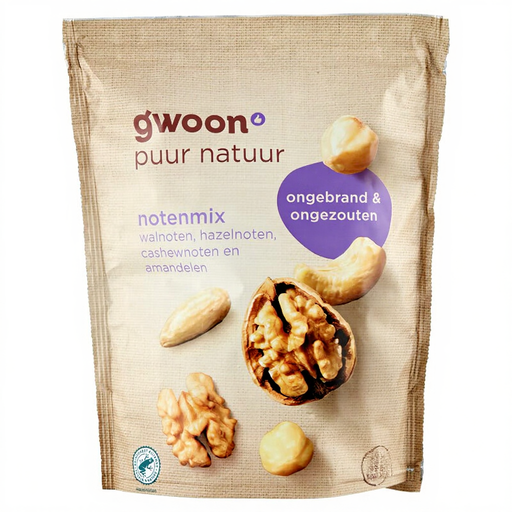 No image available
An unroasted nut mix in a 500 g pack for anyone looking for a larger supply. The product information lists hazelnuts, walnuts, almonds and cashews; the product may contain traces of peanuts and other nuts.
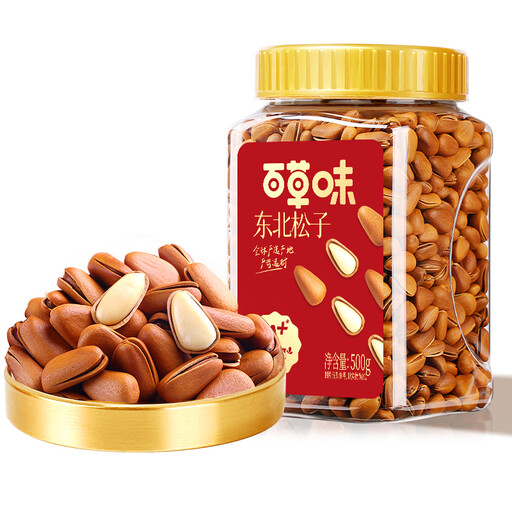 No image available
A 500 g pack for anyone looking specifically for pine nuts. The product information lists pine nuts and recommends using the contents immediately after opening; the product contains pine nuts, a tree nut.
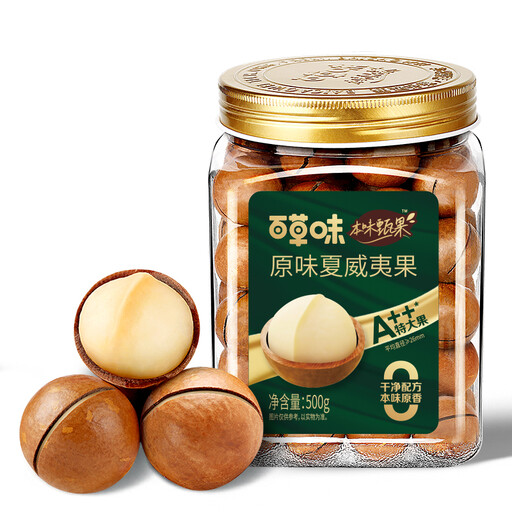 No image available
A 500 g pack for anyone looking for macadamias as a single type of nut. The product information lists macadamias and recommends using the contents immediately after opening.
 No image available
A 500 g supply of peanuts in their shells for anyone looking for peanuts as a snack. Remove the shells before eating; the product contains peanuts and may contain traces of other nuts.
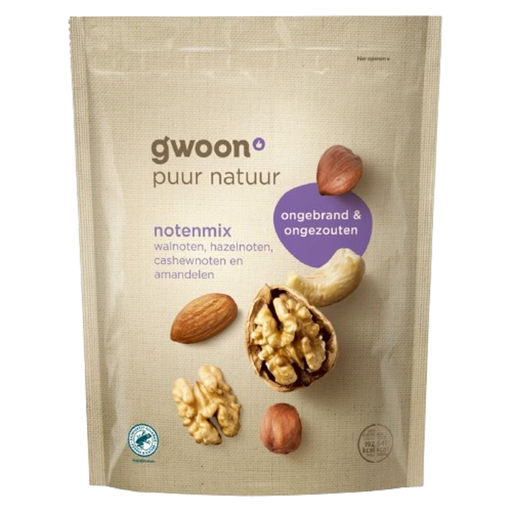 No image available
An unroasted, unsalted 200 g mix for anyone looking for a smaller quantity. The listed types of nuts are hazelnuts, walnuts, almonds and cashews; the product may contain traces of peanuts and other nuts.
AH Nut Mix states that a 500 g bag contains 20 portions of 25 g. Use this as a guide when planning your supplies; the number of snack breaks depends on how much you use each time. It isn’t a standard portion size for every age group.
Follow the product label and seal the pack well. Albert Heijn recommends storing its own nut mix in a cool, dry place. Storage advice for other product types, such as coated peanuts, doesn’t automatically apply to every nut mix.
For children under 4, Amsterdam UMC recommends nut butter with no added sugar or salt instead of whole nuts, because of the choking risk. Older children can also choke, so choose a form that’s suitable for the person eating it.
No. The label doesn’t tell you how much your household will actually use. Compare the net weight with the number of snack breaks you expect to have, and think about how you’ll store the rest once the pack is open.
Check the ingredients list and allergen information on the current packaging. According to the NVWA, allergen information must appear on the label of prepacked products; peanuts and nuts are separate things to look out for when checking the ingredients.