
Vandaag of morgen in huis

Kwaliteit gegarandeerd

Welkomstaanbiedingen ontgrendelen: GRATIS bezorging | Tot 80% korting | Gratis 30 dagen JoyPlus-proefperiode
Download de app
Buying a vacuum cleaner seems simple, until you have to choose between a cordless vacuum cleaner, stick vacuum, handheld vacuum, robot vacuum or traditional corded model. Marketing copy often focuses on high suction power, long battery life or smart features. But one impressive figure doesn’t tell you everything about how a vacuum performs day to day.
Look out for these three common pitfalls:
Checking the right specifications beforehand can help you avoid ending up with a vacuum cleaner that has too little reach, a full dust container or awkward maintenance after just a few months.
Manufacturers may list suction power in kPa or Pa. These figures are useful for comparing models, but they don’t give you the full picture of how well a vacuum will clean. Also check:
For a vacuum cleaner for carpets and hard floors, an adjustable floor head is practical. An anti-tangle brush can mean less maintenance if you have pets, but remember to remove hair and threads from the brush regularly.
A cordless vacuum cleaner gives you freedom to move around, but the battery determines how much you can clean in one go. Don’t just look at “up to 45 or 65 minutes”; also check:
A vacuum cleaner with long battery life can be handy in a flat or for quick daily cleaning. For a larger home, a model with a removable battery or a corded model may be more practical.
A vacuum cleaner with a HEPA filter can help filter fine particles from the exhaust air, according to the product description. Check which filter type is specified, and whether it’s washable or replaceable. A sealed dust bag generally prevents direct contact with collected dust when you empty it, while a bagless dust container doesn’t need bags but needs emptying more often.
Also consider the capacity:
A handheld vacuum, hand vacuum or car vacuum cleaner is best suited as an additional cleaner. For cleaning an entire home, models with a floor brush and longer run time are usually a better fit.
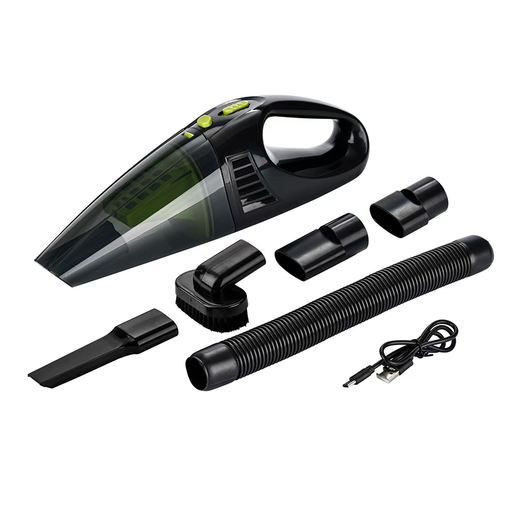
Why it suits this profile: Its compact design is made for crumbs, crevices, desks and car interiors. The stated run time is around 14–16 minutes, making it suitable for short cleaning sessions.
The product information gives specific figures for battery capacity, run time and the 0.4-litre dust container. That makes it clear this is an additional handheld vacuum, not a vacuum for cleaning an entire home.
Cordless, HEPA filter, three attachments and weighs around 0.5 kg.
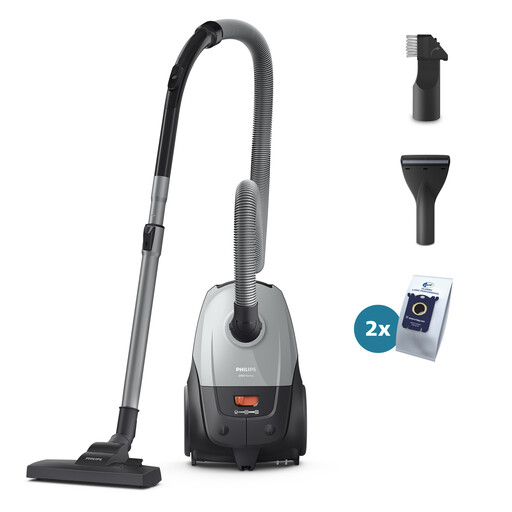
Why it suits this profile: This corded model is designed for households that prefer a constant power supply, a long reach and a dust bag for regular cleaning.
The listed specifications include a 9-metre operating radius, a 3-litre dust capacity and a HEPA filtration system. So you don’t have to rely on motor power alone.
800 W, adjustable suction power, multi-purpose nozzle and two S-bags included.
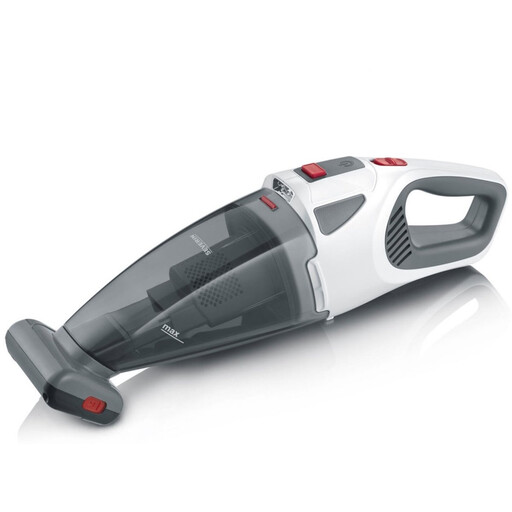
Why it suits this profile: The combination of a rotating turbo brush, 4-in-1 accessories and a Wet & Dry function makes it suitable for furniture, car seats and small liquid spills.
The product description specifically lists its functions for dry and wet dirt. Be sure to follow the maximum capacity, and let any washable parts dry completely before putting them back.
18.5 V Li-ion battery, stated run time of up to 30 minutes, LED lighting and wall-mounted charging station.
We’ve put together a complete, up-to-date list of products that meet these strict selection criteria and comply with the applicable European safety regulations.
That depends on your home and how often you clean. A stick vacuum with a stated run time of 40 to 65 minutes may be enough for a flat. Always check how long the battery lasts on the highest setting. For larger homes or longer cleaning sessions, a corded model provides a constant power supply.
Its lifespan depends on how it’s used and maintained, as well as its filters, battery and the availability of replacement parts. Empty the dust container in good time, clear hair from the brushes and only put filters back once they’re completely dry. With a cordless vacuum cleaner, a removable battery is useful if it needs replacing later.
With a corded model, the main running costs are electricity and any dust bags or filters. With a cordless model, you’ll need to factor in the electricity used for charging and possibly a replacement battery. A robot vacuum may also need dust bags for its emptying station and replacement brushes. So compare not only the purchase price, but also the maintenance and consumables.
