
Batch-preparer of coffee portions
You portion out dry coffee beans in advance and want to seal each portion separately, so you don’t have to open the whole supply every time.


If you divide dry coffee beans into individual portions that you don’t open often, a heat sealer with suitable bags could work well for you. If you prefer to keep opening the same supply, a reusable vacuum container may be more practical. And if you also prepare moist meals, choose a machine with features suited to that use, and continue to follow the usual storage advice.
You portion out dry coffee beans in advance and want to seal each portion separately, so you don’t have to open the whole supply every time.
You often scoop beans from the same supply and want to reseal it easily after use.
You want to use one system for meals too, while bearing in mind the difference between dry beans and moist, perishable dishes.
Suitable for: portioning dry beans in advance and sealing each portion separately.
Bear in mind: you’ll need suitable packaging for each portion.
Suitable for: regularly opening and resealing the same supply.
Bear in mind: the pump, container and lid must be compatible with the same system; a container isn’t a heat-sealed portion bag.
Suitable for: regularly packaging larger quantities of moist or liquid foods too.
Bear in mind: the ability to handle liquids isn’t, in itself, a reason to choose this option just for dry coffee beans.
| What to consider | What to look for when buying | Who is this important for? |
|---|---|---|
| Sealing portions separately | Check that the bag width is suitable and that the machine has a manual stop function if you want to end the vacuuming process yourself. | If you portion out beans in advance and don’t want to open the whole supply every time, this is an important consideration for you. Around 36% of consumers prioritise sealing portions separately. |
| Resealing a supply | Check that the pump, container and lid are compatible with the same system, and that the container is suitable for food contact. | If you use the same supply of beans every day, resealing them in a container may fit your routine better than sealing a bag each time. Around 29% of consumers put convenience first. |
| Packaging meals too | Look at the settings for dry or moist food, and follow the appropriate refrigeration or freezing advice for prepared dishes. | If you want to prepare meals as well as beans, look for features suited to those dishes. Around 21% of consumers prioritise versatility. |
| Packaging materials and repeated use | Check which bags, rolls or containers are compatible with the machine, and whether the materials are suitable for the intended food contact. | If you want to know in advance which packaging you’ll need to keep buying, factor system compatibility into your choice. Around 14% of consumers say material compatibility and repeated use are their main concerns. |
A claim about food in general doesn’t tell you how long your coffee beans will keep, given their specific roast and packaging. The Specialty Coffee Association explains that roasted coffee continues to release carbon dioxide after roasting and changes over time.
Choose a system based on portion size and how often you open the packaging. Don’t assume a vacuum sealer guarantees a fixed storage period for coffee.
Heat sealers and pump- or valve-based systems use different types of packaging. A vacuum sealer can’t make material that isn’t suitable for food contact suitable for that purpose.
Before buying, check which bags, rolls or containers are compatible with the model and what the materials are intended for.
Your choice of system also determines which packaging materials you’ll need later, such as compatible bags, rolls or containers.
The way food is packaged doesn’t change the storage advice for perishable prepared dishes. The Netherlands Nutrition Centre advises keeping leftovers covered in the fridge for no more than two days, and freezing them if you want to keep them for longer.
For meals, follow the advice on cooling quickly, refrigerating or freezing, regardless of which vacuum system you use.
The range includes heat sealers such as the VC 10 and VC 200, as well as chamber vacuum sealers. This makes the brand worth considering when comparing options for portions of dry beans with more versatile meal-prep use.
The Vac Premium is a heat sealer with features that may be useful if you want to control the vacuuming stage yourself or package other types of food too.
Fresh & Save is a pump-and-container system for anyone who regularly opens the same supply and wants to vacuum seal it again.
These Joybuy products include heat sealers for portion bags and a manual vacuum container for coffee beans. Check whether the packaging supplied with your chosen product is suitable for the intended food contact.
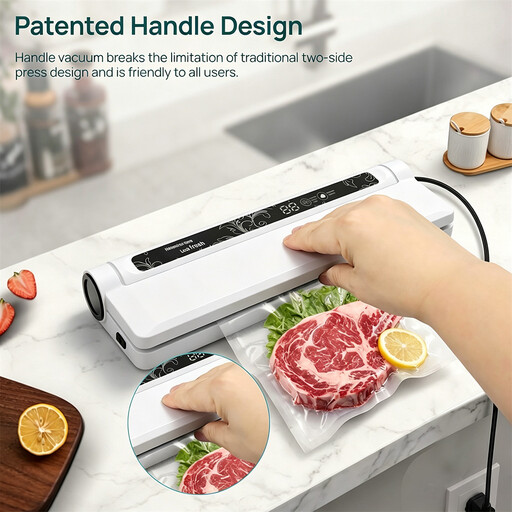 No image available
An option for packaging dry beans in individual bags in advance.
The product name specifies 20 sealing bags measuring 17 × 25 cm.
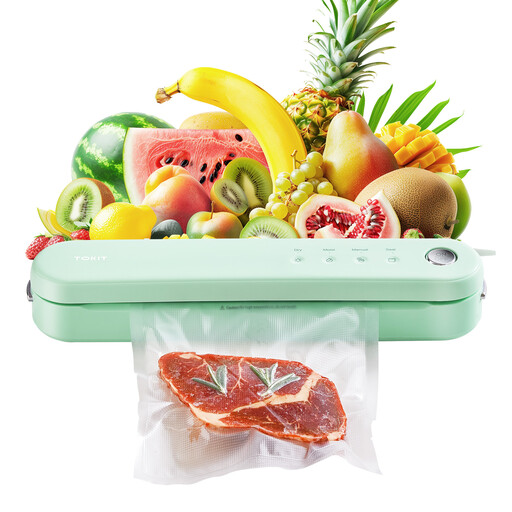 No image available
An option for vacuum sealing portions of dry food; check that the compatible bags are suitable for food contact.
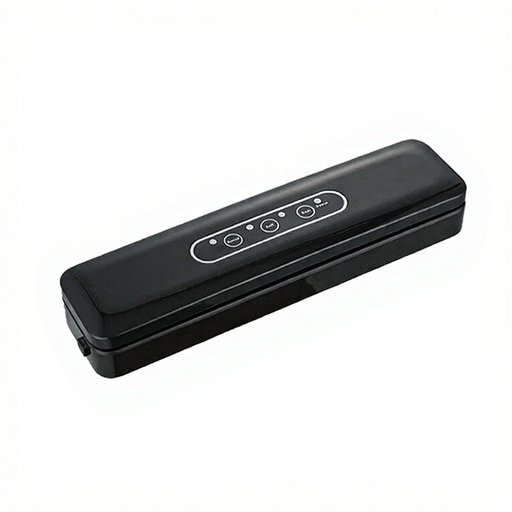 No image available
The product description says it can be used for portions of beans and resealing previously vacuum-sealed bags.
Use compatible vacuum bags. The product description warns against sealing liquids unless they have been frozen first.
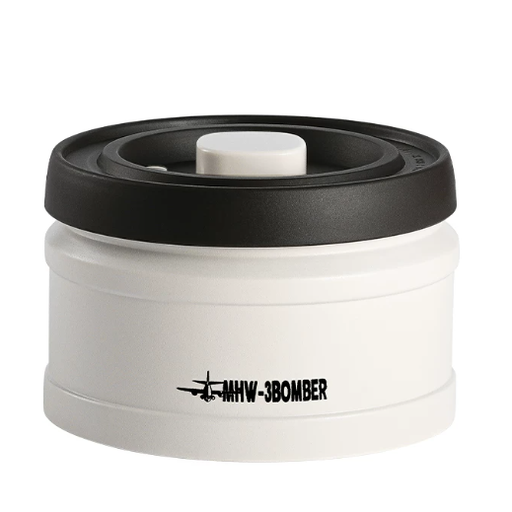 No image available
A manual vacuum storage canister for coffee beans, designed for resealing a supply.
Check that the canister is suitable for food contact.
 No image available
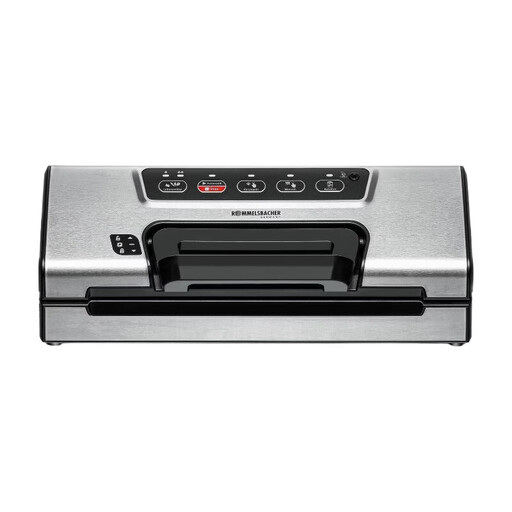
An option for anyone who packages portions of beans and wants to vacuum seal other meal portions too.
The product description warns against touching the sealing seam during or immediately after use, and against vacuuming liquids directly in the chamber.
No, it depends on how you use your supply. Portions sealed in advance may suit you if you don’t open them often; for daily use, a reusable container may be a better fit. Vacuum sealing doesn’t stop roasted coffee from degassing and ageing.
Freshly roasted beans continue to release carbon dioxide, as the Specialty Coffee Association explains. If the beans are still degassing significantly, check whether a permanently sealed vacuum bag is suitable in this situation; there’s no set waiting time that applies to every roast.
The Netherlands Nutrition Centre’s storage advice for an opened pack doesn’t recommend this: it suggests keeping it in a kitchen cupboard for three weeks and says the freezer is less suitable. This advice doesn’t give a separate storage period for beans vacuum-sealed at home.
No, vacuum sealing doesn’t replace storage advice for perishable dishes. The Netherlands Nutrition Centre advises keeping leftovers covered in the fridge for no more than two days, and freezing them if you want to keep them for longer.
For contact with beans or meals, choose materials that are suitable for food contact. The Netherlands Food and Consumer Product Safety Authority sets out the Dutch requirements for food contact materials. Applicable CE marking is mandatory for electrical products placed on the Dutch market. The marking on the appliance doesn’t prove that a bag or container is suitable for food contact.