
Freezing fish in individual portions
You buy more fish than you need for one meal and want to take out a single portion later. The Netherlands Nutrition Centre advises freezing food in small portions and setting your freezer to at least −18 °C.


Choose based on how often you pack fish, how much storage space you have and how much moisture the fish releases. A compact pump with valve bags takes up little room. If you regularly pack moist fish, features such as a moisture setting, manual control and a removable drip tray are more useful. Vacuum sealing does not replace rapid freezing or safe defrosting.
You buy more fish than you need for one meal and want to take out a single portion later. The Netherlands Nutrition Centre advises freezing food in small portions and setting your freezer to at least −18 °C.
You regularly pack fresh fish and want to be able to adjust the settings while vacuum sealing. Check each model for moisture control, manual operation and how easy it is to clean the parts.
You pack fish occasionally and want to store a compact appliance away easily. A pump with valve bags could be a good fit, as long as the bags work for your portions and freezer.
Choose this if: you pack a portion now and then and want to use as little appliance storage space as possible.
Bear in mind: the pump works with compatible valve bags and cannot seal loose rolls of film like a bar sealer.
Choose this if: you want to pack portions of fish in vacuum sealer bags or film cut to size.
Bear in mind: check the specifications for the exact model to see which features it offers for moist fish.
Choose this if: you pack moist fish more often or want to adjust the suction when sealing delicate fillets.
Bear in mind: extra features do not automatically make an appliance necessary for occasional use. Consider how easy it is to clean and store, too.
When packing fish portions for one person, the main priorities are moisture control, portion size, storage space and ongoing costs.
| Consideration | What to look for | Who should prioritise this? |
|---|---|---|
| Sealing moist fish | Check whether the exact model has a moisture setting or pulse control, and whether its drip tray is removable. | If I pack moist or delicate fillets, I want to be able to adjust the suction and keep the sealing area clean. Around 36% of consumers put sealing moist fish first. |
| Portions and bag size | Check whether the bags suit your portions and appliance, and what comes in the box. | If I want to take out one portion per meal, I look for bags that fit the amount of fish I’m packing. This is the top priority for around 29% of consumers. |
| Storage space | Compare how much room the whole system needs and check which valve bags are compatible. | For occasional use, I want to be able to put the appliance away easily, even if that means I need compatible valve bags. Around 21% of consumers prioritise compact storage above all else. |
| Bag and maintenance costs | Factor in compatible replacement bags or film, and follow the cleaning instructions in the manual. | If I pack portions regularly, I want to know in advance which bags or film I’ll need to buy again and what maintenance is involved. Around 14% of consumers pay closest attention to this. |
Vacuum sealing does not replace the correct fridge or freezer temperature, the use-by date or safe defrosting. The Netherlands Nutrition Centre advises keeping raw fish chilled at 4 °C and setting your freezer to at least −18 °C.
Label portions, follow the storage advice for the type of fish and remove vacuum-packed fish from the bag before defrosting.
Features for moist foods do not mean you can draw unlimited liquid into the appliance. Specified functions and cleaning options vary by model.
Check the manual for the exact model and keep the bag opening and sealing area clean.
Moisture around the sealing area can mean extra cleaning, a failed seal or wasted bags.
A pump with valve bags and a bar sealer do not necessarily use the same consumables. Any paid-for warranty is also separate from your existing statutory rights.
Check which compatible bags or film are available, and read the terms of any optional warranty before adding it.
If you pack food repeatedly, you’ll need to buy compatible bags or film again.
The DO327L is a basic bar sealer for individual portions, using bags or rolls.
The Vac Prestige is a bar sealer with settings for dry and moist foods.
Fresh & Save combines a compact pump with compatible valve bags.
The VAC 385 is a bar sealer with features for moist and delicate foods.
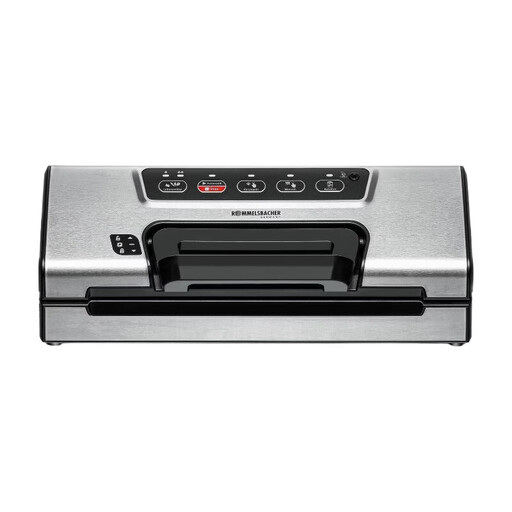
This product pick focuses on a bar sealer with features for moist or delicate foods, suited to packing portions of fish.
 No image available
Ideal if you pack moist or delicate fish and want to adjust the settings manually.
The manufacturer lists features for moist and delicate foods, as well as manual vacuum sealing. The product description mentions an integrated roll compartment and film cutter.
Do not draw liquids directly into the chamber. The sealing area gets hot during and immediately after sealing.
No, vacuum sealing does not replace chilling or freezing. The Netherlands Nutrition Centre advises keeping raw fish chilled at 4 °C and setting your freezer to at least −18 °C. Always follow the use-by date and the instructions on the packaging, too.
Remove the fish from the vacuum pack before defrosting, then leave it covered in the fridge with a dish underneath to catch any liquid. The Netherlands Nutrition Centre advises defrosting food in the fridge, while Kansas State University advises removing vacuum-packed fish from its packaging before defrosting.
No. Check that the bag is suitable for food contact and freezer use, and that it fits your appliance. The Netherlands Food and Consumer Product Safety Authority (NVWA) outlines the Dutch rules for materials that come into contact with food. A valve pump and a bar sealer do not necessarily use the same bags.
For online purchases from a business, you usually have a 14-day cooling-off period, according to the Dutch government. You are also entitled to a product that meets the terms of the contract; the Netherlands does not have a set statutory warranty period of two years. A manufacturer’s warranty and any extra warranty you buy are separate from these statutory rights.