
Vandaag of morgen in huis

Kwaliteit gegarandeerd

Welkomstaanbiedingen ontgrendelen: GRATIS bezorging | Tot 80% korting | Gratis 30 dagen JoyPlus-proefperiode
Download de app
A good vacuum sealer is a smart investment. It helps reduce food waste, keeps groceries fresh longer, and is indispensable for anyone serious about meal prepping or sous-vide cooking. But the market is flooded with devices that overpromise and underdeliver. Many models end up as a clunky dust-collector in the kitchen cabinet.
As a Joybuy Product Recommendation Officer, I cut through the noise and focus on what really matters. In this guide, we'll discuss the most common pitfalls and the specifications that make the difference between a bad purchase and an appliance you'll enjoy for years.
Before you make a choice, it's important to recognise the common problems users experience. Manufacturers often highlight features that add little practical value, while the essential components are subpar.
vacuum sealer without an integrated roll holder and cutter might not seem like a big deal, until you're fumbling with a loose roll of film and a pair of scissors for the tenth time. This makes the process of vacuum sealing food unnecessarily cumbersome.Don't get distracted by marketing terms. Focus on the following three technical specifications. These determine the performance and durability of your vacuum sealer.
This is the engine of the device. Its performance is expressed in two numbers:
preserving food longer and minimising oxidation.The housing says a lot about durability. Plastic models are lighter and often cheaper, but can be fragile and discolour over time. A stainless steel vacuum sealer is a more robust choice. Stainless steel is not only sturdier and more resistant to intensive use, but also easier to keep hygienically clean. This is a significant advantage in any kitchen.
A good seal is just as important as a good vacuum. Pay attention to the width of the seal. A seal of 2.5 mm or wider offers more security than a paper-thin one. Some advanced models even offer a double seal for extra reliability, which is a requirement for those who use a sous vide machine.
Additionally, look for features that enhance ease of use, such as:
Not everyone needs the same device. Below, we match some popular choices with different user profiles.
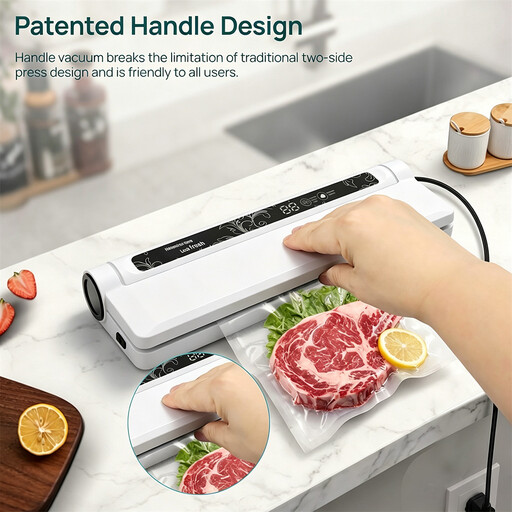
Why This Fits Their Persona: Ideal for those who want to find out if vacuum sealing is for them. This model is intended for occasional use, such as freezing leftovers or keeping cheese and cold cuts fresh.
This is a no-frills basic device. It's not designed for large batches, making the pitfall of overheating less relevant with correct, occasional use.
Very accessible price and comes with 20 bags, so you can get started right away. Compact and easy to store.
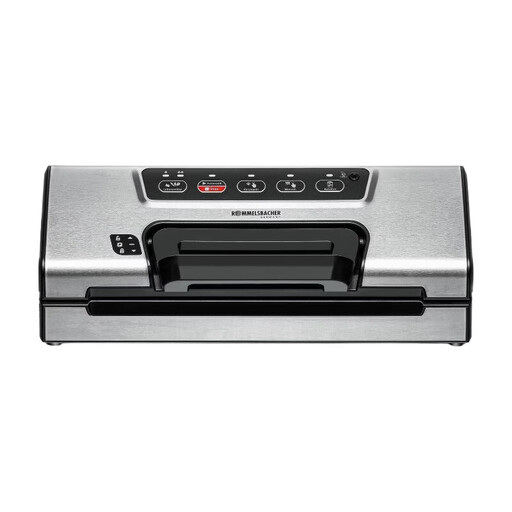
Why This Fits Their Persona: Perfect for the meal prepper, sous-vide cook, hunter, or fisherman. This appliance is built for performance and durability, and can handle larger quantities of food without any issues.
It tackles all three pitfalls: a powerful pump (12 L/min, -0.8 bar), a robust stainless steel vacuum sealer housing, and a design made for continuous use. The integrated roll holder and cutter solve the impractical handling issue.
Reliable performance thanks to the strong pump and a sturdy 2.5 mm seal. The stainless steel housing is durable and hygienic. A true workhorse for the kitchen.
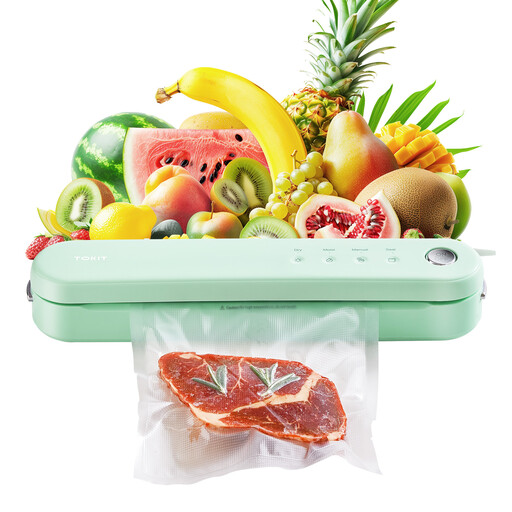
Why This Fits Their Persona: For the user looking for a modern appliance that does the work for them. The sleek design and automatic operation fit well in a modern kitchen where convenience is key.
The fully automatic operation minimises the chance of user error, resulting in consistently good vacuum and sealing performance. It is designed for efficiency in an average household.
Effortless one-touch operation. The compact and modern design won't look out of place on the countertop.
We have compiled a complete, up-to-date list of products that fully meet these strict selection criteria.
By vacuum sealing, the shelf life of food is significantly extended. In the freezer, this can extend shelf life from 6 months to 2-3 years, while preventing freezer burn. In the refrigerator, products like cheese or cold cuts stay fresh for weeks instead of days. The exact duration depends on the type of food.
No, this is a common mistake. You need special vacuum bags or rolls with an embossed or micro-channel structure on one side. This structure creates channels that allow air to be efficiently drawn out of the bag. Smooth bags will stick together before the air is removed, causing the vacuum process to fail.
For occasional use, a good plastic model is often sufficient. But if you plan to use the device regularly, process large quantities, or value durability and hygiene, then a stainless steel vacuum sealer is definitely worth the investment. They are built to last longer and typically perform better under pressure.
