
Vandaag of morgen in huis

Kwaliteit gegarandeerd

Welkomstaanbiedingen ontgrendelen: GRATIS bezorging | Tot 80% korting | Gratis 30 dagen JoyPlus-proefperiode
Download de app
Written by Joybuy Product Recommendation Officer | July 28, 2026
Vacuuming, and then mopping. It's a time-consuming chore we'd all rather skip. A device that handles both tasks at once, therefore, sounds like the perfect solution. But the market for vacuum and mop in one devices is filled with models that overpromise and underdeliver. Before you invest in convenience, it's crucial to know what to look for. Many devices suffer from design flaws that cause frustration after just a few months.
Here are the three most common pitfalls:
To avoid buying a device that ends up collecting dust in a cupboard, there are a few technical specifications you need to check. These make the difference between daily convenience and daily frustration.
A good wet and dry vacuum always has two completely separate water tanks: one for clean water (and optional cleaning solution) and one for the collected dirty water. This guarantees you are always mopping with clean water. Check the capacity of both tanks (a larger tank means less frequent refilling and emptying) and see how easy they are to remove, empty, and clean. A design without awkward nooks and crannies prevents the build-up of grime and bacteria.
A self-cleaning mop is more than just a marketing term. An effective system does two things: it thoroughly rinses the brush roll with clean water and, more importantly, it completely dries the roller. Look for models with a base station that dries the brush with hot air after cleaning. This prevents mould and unpleasant odours. Features like washing the roller with hot water (e.g., 60°C or higher) offer an even more hygienic result, which is especially important for households with children, pets, or allergies.
The effectiveness of a stick vacuum with a mopping function heavily depends on its physical design. Pay attention to the following points:
We have selected several popular models and matched them to specific households based on their objective specifications.
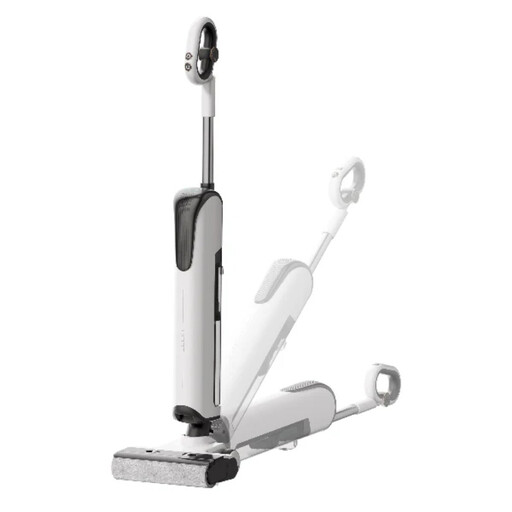
Why This Fits Their Persona: This model offers advanced features at an accessible price point. Ideal for families seeking an efficient all-in-one solution without paying a premium.
It tackles the pitfall of poor edge cleaning with a dual-sided edge-to-edge design. The self-cleaning is followed by a 60°C air-drying cycle, which prevents the odour trap.
The 180° lay-flat design makes cleaning under furniture effortless. The separate tanks for clean (650ml) and dirty (700ml) water are spacious and hygienic.
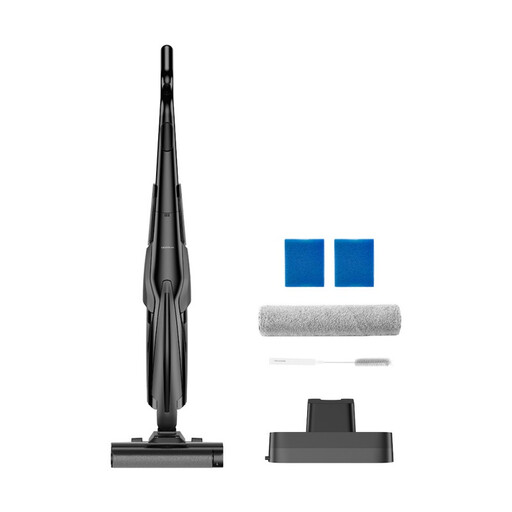
Why This Fits Their Persona: For those who prioritise hygiene above all else. The combination of high suction power, an anti-tangle system, and high-temperature sterilisation is ideal for tackling pet hair, allergens, and bacteria.
This model tackles the maintenance pitfall head-on with a 100°C drying cycle that sterilises the brush roll and eliminates odours. The anti-tangle system prevents hair from blocking the brush.
The combination of 70°C washing and 100°C drying provides a superior level of hygiene. The 22,000Pa suction power and 180° lay-flat design ensure a thorough clean, even in tricky spots.
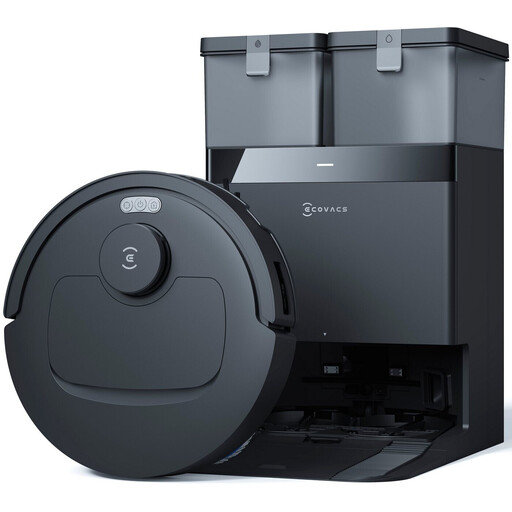
Why This Fits Their Persona: For those seeking ultimate convenience and automation. This robotic vacuum and mop takes the entire cleaning and maintenance process off your hands, from vacuuming and mopping to self-cleaning.
The OMNI station solves all the pitfalls: it empties the dustbin, washes the mop pads with 75°C hot water, dries them with hot air, and refills the robot. The TruEdge 2.0 technology ensures precise cleaning along edges.
Fully automated maintenance. The combination of 25,000 Pa suction power and the rotating OZMO Turbo 2.0 mops delivers a powerful clean on all floor types.
We have compiled a complete, up-to-date list of products that fully meet these strict selection criteria.
Yes, most modern wet and dry vacuums are safe for sealed hard floors, including wood and laminate. The key is water control. Choose a model that allows you to regulate the water flow, so you can use a minimal amount of water on delicate floors. The combination of vacuuming and immediately suctioning up the water prevents moisture from sitting on the floor for too long. Always check the recommendations from your flooring manufacturer.
For optimal hygiene, it is recommended to empty and rinse the dirty water tank after every cleaning session. Let the tank air dry to prevent odours. You can refill the clean water tank whenever it's empty. It's good practice to clean both tanks more thoroughly with water and a soft brush at least once a week.
Although the terms are often used interchangeably, there is a functional difference. A stick vacuum with a mopping function is primarily a vacuum cleaner with an added mopping accessory, often a damp mopping pad. A wet and dry vacuum (or floor cleaner) is specifically designed to simultaneously vacuum and actively mop with a rotating brush and a system for clean and dirty water. The latter typically provides a much more thorough wet clean.
