
Vandaag of morgen in huis

Kwaliteit gegarandeerd

Welkomstaanbiedingen ontgrendelen: GRATIS bezorging | Tot 80% korting | Gratis 30 dagen JoyPlus-proefperiode
Download de app
First vacuuming, then mopping. It's a time-consuming ritual, especially in a busy household. A device that vacuums and mops in a single pass sounds like the perfect solution. However, the market is flooded with models, and clever marketing makes it difficult to determine what truly works. Before you make a choice, it's wise to know a few common pitfalls that can lead to a purchase you'll regret.
A wet-dry vacuum is more than just a vacuum cleaner with water. Its effectiveness depends on a few smart design choices that make the difference between frustration and a clean floor.
A good wet and dry vacuum cleaner always operates with two separate water tanks: one for clean water (and optional cleaning solution) and one for the suctioned dirty water. This ensures you are always mopping with clean water, unlike a traditional mop that you repeatedly rinse in the same dirty water. Also, pay attention to the tank capacity. Larger tanks mean fewer refills and empties when cleaning a large area.
The real test for a hard floor cleaner is how it handles the tricky spots in your home.
A self-cleaning wet-dry vacuum can be a huge time-saver, but the quality of this feature varies greatly between models. A basic model rinses the brush roll with cold water. More advanced systems go further:
mop vacuum stays fresh for the next cleaning session.Not everyone has the same needs or budget. Here are a few options, tailored to different user profiles.
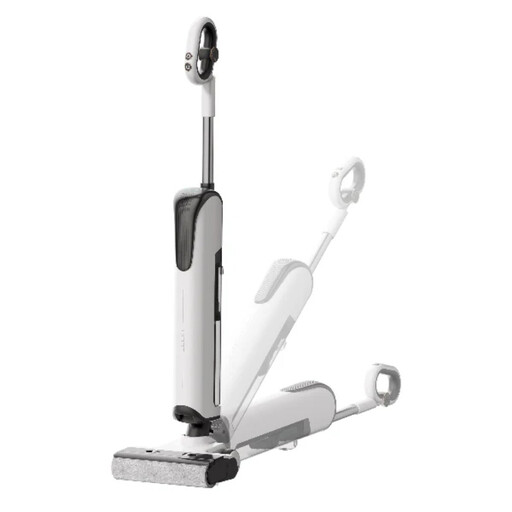
Why This Fits Their Persona: For those who want to make the switch without paying a premium price. This model offers modern features typically found in a higher price bracket, making it ideal for apartments or smaller homes with hard floors.
The 180° lay-flat design and near-edge cleaning tackle the frustration of unreachable spots. The base station has a self-cleaning and drying function, which avoids the pitfall of a smelly brush.
Combines a lay-flat design with edge cleaning and a self-cleaning station with air drying. The smart dirt sensor automatically adjusts suction power.
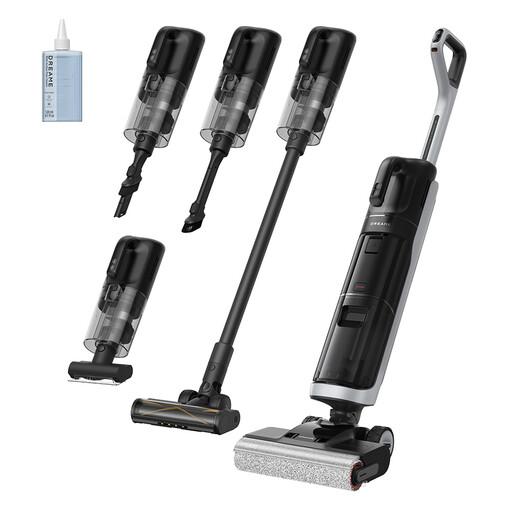
Why This Fits Their Persona: For households where daily spills and pet hair are a constant factor. This calls for a powerful, reliable, and hygienic solution that can quickly switch between wet and dry messes.
The high suction power (up to 18,000 Pa according to the manufacturer) is effective for a vacuum for pet hair and mopping. The separate water system ensures hygienic cleaning, and the self-cleaning mode tackles the brush after use.
Powerful suction for both wet and dry messes. The relatively low noise level (55 dB in quiet mode, according to Dreame) is a plus in a busy home. The app control offers added convenience.
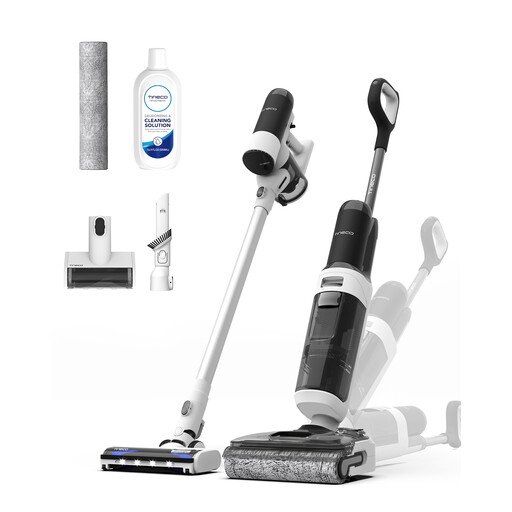
Why This Fits Their Persona: For those looking for a `cordless wet-dry vacuum` that makes the cleaning routine as effortless as possible. This profile wants the latest technology that solves practical problems, like cleaning under furniture and along baseboards.
This model is specifically designed to tackle the biggest frustrations. The 180° lay-flat design reaches places where other wet-dry vacuums stop. The dual-sided edge cleaning effectively tackles the dirty strips along walls.
The combination of a full lay-flat design and dual-sided edge cleaning is a major advantage. The long runtime (up to 65 minutes, according to Tineco) makes it suitable for the whole house.
We have compiled a complete, up-to-date list of products that meet these selection criteria.
For most daily cleaning on hard floors, yes. The main advantage is hygiene: you continuously use clean water, while the dirty water is immediately suctioned into a separate tank. This prevents spreading dirt, which happens with a traditional mop and bucket. For very deep, dried-on stains, some manual scrubbing might still be necessary.
The term "self-cleaning" refers to the cleaning of the brush roll and internal tubing. You still need to empty and rinse the dirty water tank after each use to prevent odours. It is also recommended to periodically check and clean or replace the filters, according to the manufacturer's instructions.
Yes, many modern cordless wet-dry vacuums are powerful enough for this. Pay attention to the suction power, often expressed in Pascals (Pa). A value above 15,000 Pa is generally more than sufficient for vacuuming up pet hair, crumbs, and even muddy paw prints. The design of the brush roll is also important; a combination of soft and stiffer bristles often works well on various types of dirt.
