
Vandaag of morgen in huis

Kwaliteit gegarandeerd

Welkomstaanbiedingen ontgrendelen: GRATIS bezorging | Tot 80% korting | Gratis 30 dagen JoyPlus-proefperiode
Download de app
A device that vacuums and mops simultaneously sounds like a dream for anyone with a busy household. No more fussing with buckets, mops, and a separate vacuum cleaner. But the market for the vacuum mop is filled with models that promise more than they deliver. Many people fall for marketing claims and end up with an expensive appliance that becomes unusable after a few months or simply doesn't clean well.
Before you invest in a 2-in-1 vacuum and mop, it's crucial to know what to look for. We've outlined the most common pitfalls to help you avoid a bad purchase.
Many manufacturers advertise a self-cleaning function. This sounds ideal: the device cleans itself after use. In reality, many budget models only rinse the brush roll with water, without truly cleaning or drying it. The result? A brush filled with caked-on dirt and bacteria that starts to smell musty over time and ends up spreading grime.
The whole point of mopping is to clean with fresh water. Yet, some cheaper wet-dry vacuums have a poorly designed system where clean and dirty water are not kept completely separate. You end up mopping with a mix of clean and dirty water, which leaves behind streaks and a sticky floor. An effective system with two separate, well-sealed tanks isn't a luxury—it's a necessity.
A vacuum mop must be able to handle daily realities like pet hair and crumbs along the baseboards. Many models have brushes where hair gets tangled immediately, leading to constant maintenance and reduced suction power. Additionally, the cleaning head on many devices can't reach the edges of the room, forcing you to clean them manually anyway.
To sidestep the pitfalls, focus on a few concrete specifications. These determine whether a cordless floor cleaner is worth its price.
A good hard floor cleaner always has a dual-tank system.
The brush is the heart of the device. A rotating microfiber brush is often a great choice for most hard floors, including delicate surfaces like hardwood and laminate. Check the following points:
Most vacuum mops are cordless for maximum convenience. The battery life determines how practical the device is for your home.
Based on objective product specifications, we have selected a few models that suit different households and needs.
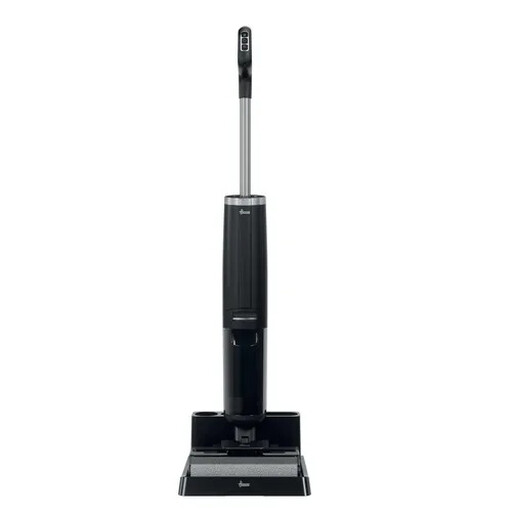
Why This Fits Their Persona: This model is designed for the chaos of family life with pets. The combination of vacuuming and mopping, a 40-minute runtime, and a turbo mode tackles both daily dirt and stubborn stains.
The AutoClean function cleans the roller after use, and the Anti-Hairwrap feature prevents pet hair from tangling. Its dual-edge cleaning tackles dirt along baseboards, something many other models miss.
Features a self-propulsion system for smooth movement and a separate vacuum-only mode. The clean and dirty water tanks are separate.
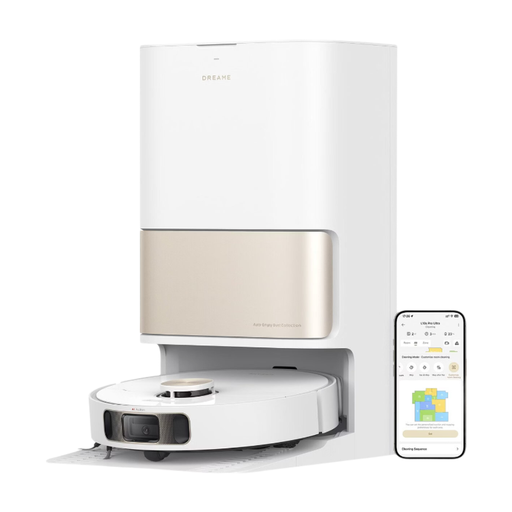
Why This Fits Their Persona: For those who want to fully automate their cleaning. This robot not only vacuums and mops autonomously but also empties its own dustbin and cleans and dries its mop pads at the base station. Ideal for tech enthusiasts and people with little time.
The base station goes beyond a simple rinse; it washes the mop pads and dries them with hot air. This prevents the musty smell of wet mops. The MopExtend technology ensures the mop pads reach out to clean edges and corners.
Fully automated robot maintenance. According to Dreame, the CleanGenius feature provides automatic recommendations for smarter cleaning. With 7000 Pa, the suction power is extremely strong.
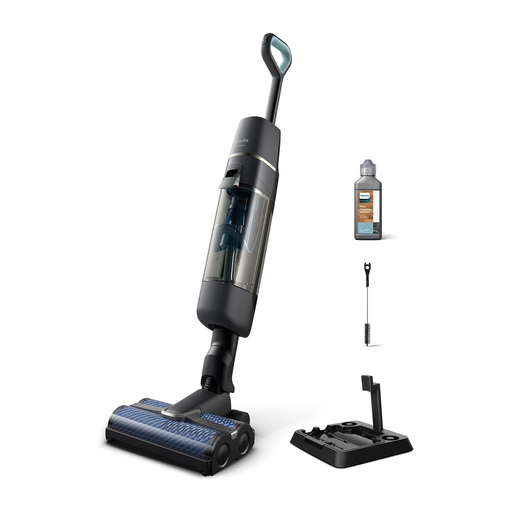
Why This Fits Their Persona: This model is relatively lightweight and maneuverable, making it ideal for apartments. The 25-minute runtime is more than enough for smaller spaces. It's a straightforward and effective device for weekly cleaning.
Philips's Aqua Diffusion system is designed to immediately collect dirty water and store it in a separate tank, ensuring you always mop with clean water. The automatic brush cleaning mechanism ensures proper maintenance.
Two high-speed rotating brushes provide a thorough clean. The special water absorption mode helps the floor dry faster, which is useful on wooden floors.
We have compiled a complete, up-to-date list of products that meet these selection criteria.
The key to a fresh-smelling appliance is consistent maintenance. Empty the dirty water tank immediately after each use and rinse it out. Allow the tank and any filters to air dry completely before putting them back. If your model has a self-cleaning function, always use it. Periodically remove the brush roll to manually check for trapped debris and hair.
Yes, most modern vacuum mops are safe for sealed hard floors, including hardwood and laminate. Choose a model with a soft microfiber brush and an adjustable water flow. Don't use too much water, and consider a model with a water absorption or drying function to prevent moisture from sitting on the floor for too long. Always check the recommendations from your flooring manufacturer.
A vacuum mop uses cool or lukewarm water (sometimes with a cleaning solution) and rotating brushes to loosen and vacuum up dirt. A steam cleaner uses hot steam to kill germs and bacteria without a suction function. A vacuum mop is an all-in-one solution for vacuuming loose debris and mopping stains, while a steam cleaner is primarily focused on deep cleaning and sanitizing a floor that has already been vacuumed.
