
Vandaag of morgen in huis

Kwaliteit gegarandeerd

Welkomstaanbiedingen ontgrendelen: GRATIS bezorging | Tot 80% korting | Gratis 30 dagen JoyPlus-proefperiode
Download de app
Buying a vacuum cleaner seems straightforward until you have to choose between a cordless vacuum cleaner, stick vacuum, handheld vacuum or wet and dry vacuum cleaner. Manufacturers also use different methods to measure suction power, battery life and filtration. As a result, a model that sounds appealing may be less practical in everyday use than expected.
Pay particular attention to these three common pitfalls:
For hard floors, a soft floor brush and effective edge cleaning are often more important than a high power rating alone. On carpets, a motorised brush can help loosen dirt and hair from the fibres. So check whether the floor head is suitable for both hard floors and carpets.
A handheld vacuum is practical for small amounts of dirt, but less suitable for cleaning an entire home. A stick vacuum can be quick and easy to grab for everyday cleaning. If you clean larger areas, a corded model with a larger dust bag or dust container may be more suitable.
A vacuum cleaner with a HEPA filter can filter fine dust particles. Do not just look for the word HEPA; also check:
According to Rowenta’s product description, its Allergy Clean System catches 99.99% of certain fine particles using five layers of filtration. This is a brand specification based on the manufacturer’s own testing conditions, not a general guarantee of air quality in your home.
A cordless vacuum cleaner gives you freedom of movement, but pay attention to the balance between charging time and runtime. According to its product specifications, the Lubluelu T8A has a maximum runtime of 30 minutes and a charging time of 4 hours. That may be sufficient for a flat or everyday cleaning, but less practical for a large house without recharging in between.
A wet and dry vacuum cleaner combines vacuuming and mopping. Check the capacity of the clean water and dirty water tanks, as well as the weight and how easy it is to clean after use. A self-cleaning vacuum cleaner reduces manual work, but the tanks will usually still need to be emptied and dried.
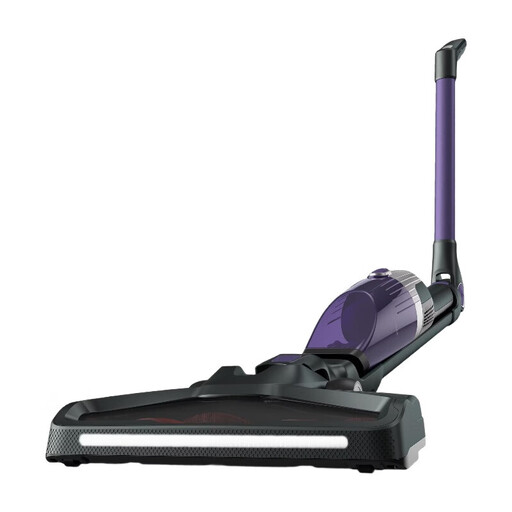
Why it suits this profile: This model combines a stick vacuum with a handheld vacuum. It is therefore suitable for floors, stairs, furniture and hard-to-reach places, without having to buy several appliances straight away.
The product description mentions a motorised floor head for hard floors and carpets, as well as a 0.6-litre dust container. However, check the stated runtime and maintenance requirements in the manual.
2-in-1 design, washable filters and a five-layer Allergy Clean System according to Rowenta’s product information.

Why it suits this profile: A bagged vacuum cleaner is a logical choice for households that want a large capacity, a fixed cable connection and fewer interruptions during cleaning.
The stated dust capacity is 3 litres. Do pay attention to the different cable and reach figures: the product information mentions both a 6-metre cable and a 9-metre operating range.
800 W motor, HEPA filter, multifunctional floor head and included upholstery nozzle according to the product specifications.
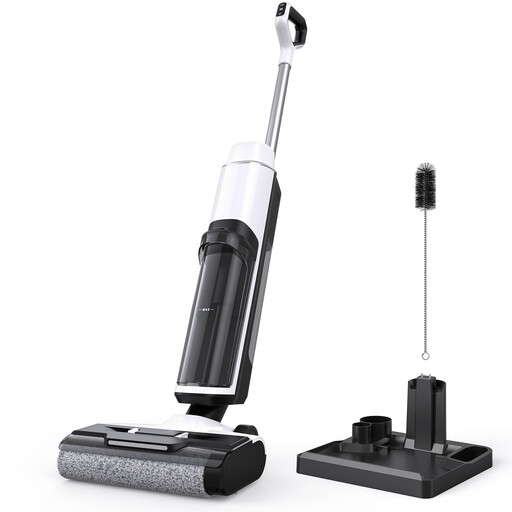
Why it suits this profile: This is a wet and dry vacuum cleaner for hard floors, liquid spills and pet hair. The combination of vacuuming, washing and self-cleaning is well suited to busy households.
The product specifications list three modes, a 910 ml clean water tank and a 600 ml dirty water tank. This makes it clear what each capacity is intended for.
Up to 15,000 Pa suction power, up to 30 minutes of runtime and a self-cleaning brush according to the product information.
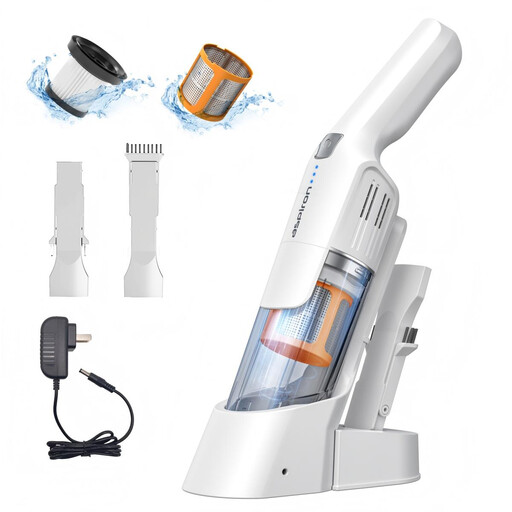
Why it suits this profile: This compact car vacuum and handheld vacuum is designed for crumbs, dust and pet hair on sofas, car seats, desks and other small surfaces.
The product specifications list two modes, a 500 ml dust container and a runtime of approximately 25 minutes in standard mode. The appliance is intended for dry dirt only.
Up to 24 kPa in Max mode, HEPA filter, charging station and two accessories according to the product description.
We have put together a complete, up-to-date list of products that fully meet these strict selection criteria and the applicable European safety regulations.
That depends on the battery capacity, the setting selected and the floor area. Check both the maximum runtime and the runtime in the medium or turbo setting. For larger homes, a corded model may be more practical, while a cordless stick vacuum is convenient for everyday cleaning.
Its lifespan depends on the motor, battery, filters, brushes and how it is used. Empty the dust container or replace the dust bag in good time, remove hair from the brush and only put washed filters back once they are completely dry. With a battery-powered appliance, user-replaceable batteries are not provided for every model, so check this in advance.
With a corded model, your main costs are electricity, dust bags and filters. A cordless vacuum cleaner uses electricity for charging and may need a new battery after a while. A wet and dry vacuum cleaner also requires maintenance of the rollers, tanks and cleaning components. So do not just consider the purchase price; also check the availability and cost of consumables.
