
Vandaag of morgen in huis

Kwaliteit gegarandeerd

Welkomstaanbiedingen ontgrendelen: GRATIS bezorging | Tot 80% korting | Gratis 30 dagen JoyPlus-proefperiode
Download de app
Buying a new vacuum cleaner seems simple—until you get tangled in a web of technical specifications, flashy marketing claims, and models that lose their suction power after just a few months. Many households make a choice they later regret. Before you invest in a new cleaning appliance, it's wise to know where the pitfalls lie.
As a Product Recommendation Officer at Joybuy, I see daily which specifications truly matter and which are mainly designed to impress. These are the most common mistakes:
By recognizing these points, you can search more effectively for a model that suits your situation, without overpaying for features that disappoint in practice.
To avoid buyer's remorse, it's better to focus on a few concrete features that directly impact user experience and performance.
The layout of your home and your cleaning habits determine which type is most convenient.
This is an indispensable component, especially for people with allergies or pets. A HEPA filter vacuum captures the smallest particles, such as pollen, dust mites, and pet dander. This ensures that the exhaust air is cleaner than the air in the room.
Look for terms like HEPA 13 or similar allergy filters. These guarantee that at least 99.95% of particles are filtered. A washable filter is convenient, but make sure you clean it according to the instructions and let it dry completely to prevent mould and loss of suction.
A vacuum that sounds like a jet engine taking off is pleasant for no one. The noise level is expressed in decibels (dB). A quiet vacuum produces less than 70 dB, which is comparable to a normal conversation. Models around 55-65 dB are remarkably quiet and make it possible to clean without disturbing the entire household.
Based on objective specifications, we have selected a number of models that suit specific needs and avoid the pitfalls mentioned earlier.
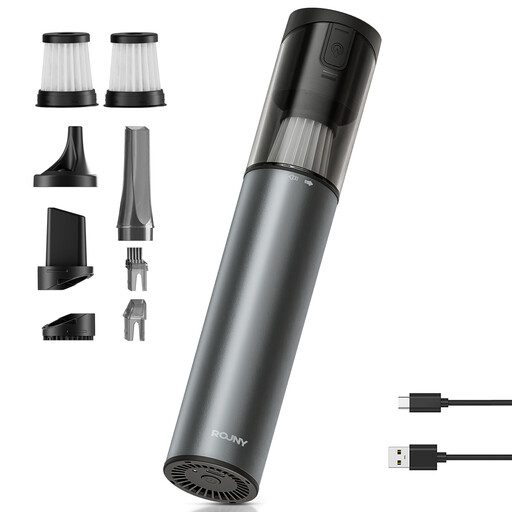
Why This Fits Their Persona: Perfect for crumbs on the couch, dust on the desk, or keeping the car clean. This handheld vacuum is compact, lightweight, and rechargeable via USB-C, so it's always ready for small messes.
This model doesn't pretend to be a full-sized house vacuum. Its battery life (12-25 min) is realistic for its purpose: short, targeted tasks. The washable HEPA filter makes maintenance predictable without hidden costs.
Convenient 2-in-1 vacuum and blower function, ideal for cleaning keyboards or tricky corners in the car.
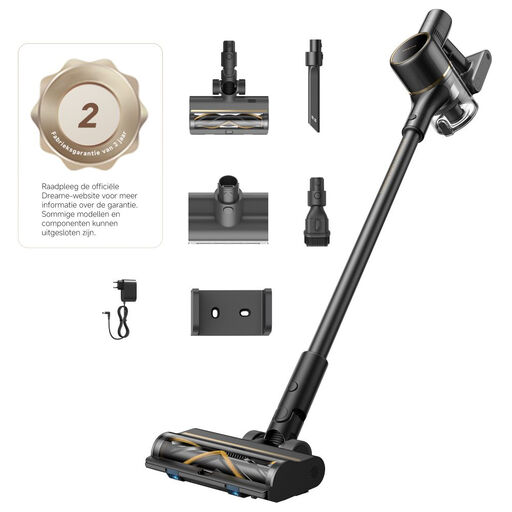
Why This Fits Their Persona: A lightweight and agile stick vacuum that effortlessly handles daily dirt without the hassle of cords. Ideal for hard floors and low-pile carpets in a modern household where convenience is key.
Instead of a vague claim, Dreame provides a clear indication of the battery life (up to 90 minutes) which applies to eco-mode. This helps you form a realistic expectation. The HEPA filtration system tackles the pitfall of poor air quality.
Long runtime in eco-mode and an illuminated multi-surface brush that reveals dust in dark corners and under furniture.
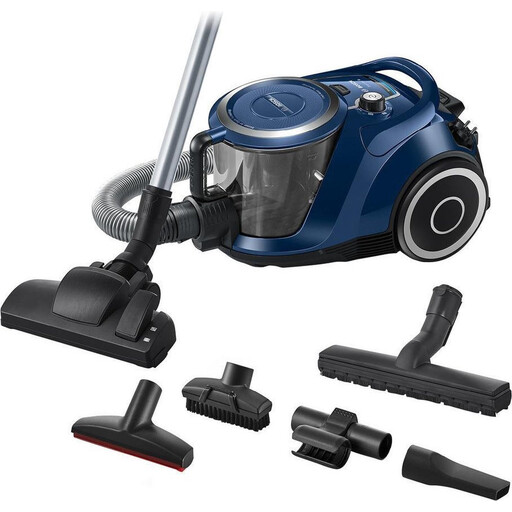
Why This Fits Their Persona: Designed for those who prioritize a deep clean and pure air. This canister vacuum is powerful on all floors and effectively tackles pet hair, while keeping the exhaust air clean.
This model doesn't focus on raw suction power, but on a proven filtration standard: the UltraAllergy filter. It's a bagless vacuum, but its EasyClean system makes emptying the bin more hygienic and addresses the maintenance myth.
Highly effective filtration for people with allergies and a remarkably low noise level of 65 dB, which is quiet for such a powerful model.
We've compiled a complete, up-to-date list of products that meet these strict selection criteria.
This depends on the type of filter and how often you vacuum. A washable HEPA filter should be cleaned approximately every month and allowed to dry completely. A non-washable filter typically needs to be replaced every 6 to 12 months to maintain optimal filtration and suction power. Always consult the manufacturer's manual for specific recommendations.
Not necessarily. A higher price may correlate with a stronger brand, more accessories, longer battery life, or advanced features like app integration. However, the "better" vacuum is the model that fits your needs. An expensive, heavy vacuum is a bad purchase if you live in a small apartment and primarily need a lightweight, agile solution. Focus on the specifications that are important to you, not just the price.
Both measure performance, but in different ways. kPa measures the raw suction force at the opening but doesn't account for airflow. Air Watts (AW) is a more comprehensive measurement that combines both suction power and airflow. A higher AW value generally provides a better indication of the actual cleaning capability. For cordless stick vacuums, AW is a more useful specification to compare than kPa.
