
Livraison le jour même et le lendemain

Qualité garantie

Débloquez vos offres de bienvenue: Livraison GRATUITE | Jusqu'à -80 % | 30 jours d'essai gratuits à JoyPlus
Téléchargez l'application
A new filter or dust bag might seem like a straightforward purchase. But problems often come down to a small difference in model number, size or fitting. A bag that almost fits can leak dust, while the wrong filter can affect how your appliance works.
When choosing vacuum cleaner filters and dust bags, there are three common pitfalls to watch out for:
A few checks before you buy can help you avoid returns, leaking dust bags and unnecessary maintenance costs.
Check the rating plate, your instruction manual or your appliance’s app. Make a note of the full model number before searching for a replacement vacuum cleaner filter or dust bag.
For example:
Also check that the product page names your exact model. If your model isn’t listed, don’t assume it’s compatible based on the photo alone.
A dust bag should click securely into its holder and form a good seal all the way round. For a robot vacuum, the shape of the cardboard or plastic fitting matters too. Filters should sit correctly in the filter compartment, with no gaps around the edges.
A good fit not only prevents dust from escaping, but also helps stop dust getting into parts of the appliance where it shouldn’t be. Always replace a filter or bag according to the manufacturer’s instructions.
For a HEPA filter for a vacuum cleaner, a designation such as HEPA 13 refers to a particular filtration class. Always check which standard, particle size and testing method apply to the claim. A percentage on a product page doesn’t automatically tell you how the filter will perform in your appliance.
For example, the product information for the Eureka J12 Ultra states a filtration efficiency of 99.97 per cent. This is a product specification provided by the seller, and should be considered alongside correct fitting and the compatible appliance model.
The same applies to an air purifier. A replacement air purifier filter must fit the exact appliance. According to its product description, the Blueair Mini Restful filter is made for this specific model and uses HEPASilent technology. So check your air purifier’s model name first.
A washable vacuum cleaner filter can be practical in the long term, but only if the manufacturer says it can be cleaned. Rinse a filter only as instructed, and don’t put it back until it’s completely dry.
Not every filter is washable:
For a dust bag, focus on capacity, closure and pack size. A larger bag won’t necessarily fit every station. Check for conflicting information too: the title of a Dreame X40 Master product lists a capacity of 4.2 litres, while the specifications state 3.2 litres. In this case, use the model number and current product details as your guide before ordering.
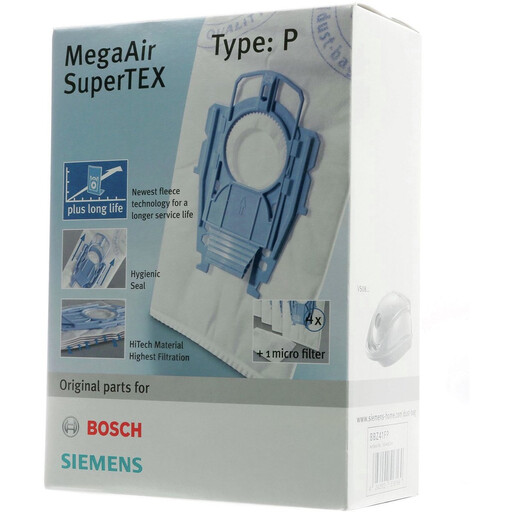
Why it suits this type of buyer: This set is a practical choice for households with a traditional Bosch vacuum cleaner that uses Type P bags and needs regular replacements.
The BBZ41FP model and Type P are clearly specified. Just check first that your Bosch appliance uses this type.
Synthetic fleece material and a dust seal. According to the product information, the pack contains four dust bags and one Micro-Hygiene filter.
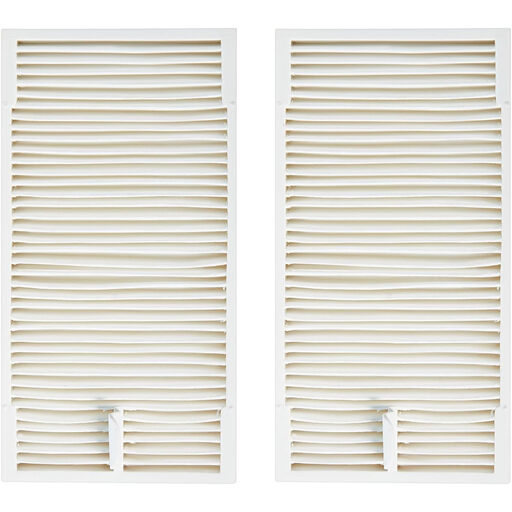
Why it suits this type of buyer: Ideal for Eureka J12 Ultra owners who want a spare filter to hand and appreciate tool-free maintenance.
The product information specifically names the Eureka J12 Ultra and mentions a compatible seal. This makes it less likely that you’ll rely on the brand name alone.
Set of two; according to the product description, the filters are hand-washable and can be replaced without tools.
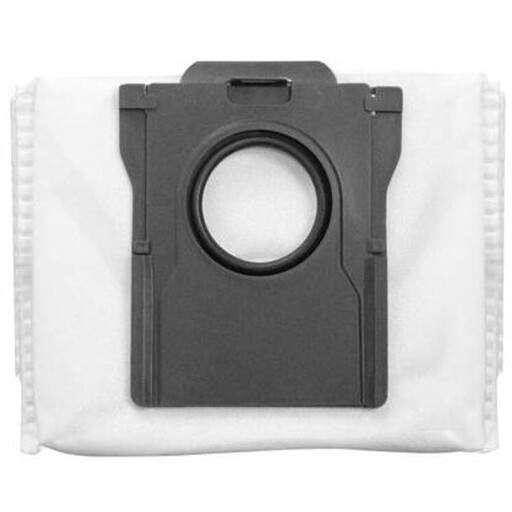
Why it suits this type of buyer: This set is designed for Dreame station owners who want to empty the bin by hand less often and keep several bags in stock.
The compatible L10s Pro Ultra, S20 Ultra and L40s Pro models are listed. Don’t use the bag with another model without checking compatibility first.
Three bags, each with a capacity of 3.2 litres, featuring a flap closure and multi-layer filtration, according to the product description.
We’ve put together a complete, up-to-date list of products that meet these strict selection criteria and the applicable European safety regulations.
Don’t use a vacuum cleaner without the specified filter, or without a dust bag if the appliance is designed to use one. When maintaining a robot vacuum station, it’s a good idea to dispose of the used bag straight away, in line with your local waste disposal rules.
It depends on the filter type, how often you use it and how much dust or pet hair there is in your home. Some manufacturers specify a set interval, while others recommend checking the filter for dirt or damage. Reduced airflow or visible damage to the filter are reasons to check the manual and replace the part.
Not unless the manufacturer explicitly says you can. Many washable filters can only be rinsed by hand. Let them dry completely afterwards. A wet filter could damage the appliance or restrict airflow.
No. Dust bags vary in their fittings, dimensions and closure mechanisms. A Bosch Type P bag, a Dreame robot vacuum bag and a bag for another brand aren’t automatically interchangeable. Always check the full model number and compatibility list before ordering.
