
Vandaag of morgen in huis

Kwaliteit gegarandeerd

Welkomstaanbiedingen ontgrendelen: GRATIS bezorging | Tot 80% korting | Gratis 30 dagen JoyPlus-proefperiode
Download de app
Buying a vacuum cleaner seems straightforward until you have to choose between a robot vacuum, stick vacuum, cordless vacuum or wet and dry vacuum cleaner. Marketing often focuses on a high pascal rating, long battery life or smart features. However, one isolated specification tells you very little about everyday performance.
The most common poor purchases result from three pitfalls:
First, think about the rooms and types of dirt you regularly want to tackle.
Pa or kPa indicates the vacuum pressure, but practical performance also depends on airflow, the nozzle and the brush roll. On hard floors, a soft roller can handle fine dust effectively, while carpets may require a motorised brush.
A powerful vacuum cleaner for carpets therefore needs to offer more than a high number. Check whether the manufacturer specifies a carpet mode, motorised floor brush and adjustable suction power. For pet owners, an anti-tangle brush is useful, but “less hair wrap” remains a product claim made by the brand and is not a guarantee for every home.
For a cordless model, look at:
A 0.5 to 0.7-litre container may be sufficient for a flat, but a larger home or several pets will require more frequent emptying. A lightweight stick vacuum is convenient on stairs, while a larger model may offer greater capacity or longer battery life.
A vacuum cleaner with a HEPA filter can, according to the product description, filter fine particles from the exhaust air. Always check whether the filter is washable, replaceable or both. A filter must be completely dry before it is put back; otherwise, this may affect the airflow and performance.
With a vacuum cleaner with a self-cleaning station, check exactly what “self-cleaning” means. Some stations only empty the dust container, while others also wash and dry mop pads. The JONR T5 Pro, for example, states that the user must empty the dirty water tank regularly and replace the dust bag when prompted by the app.
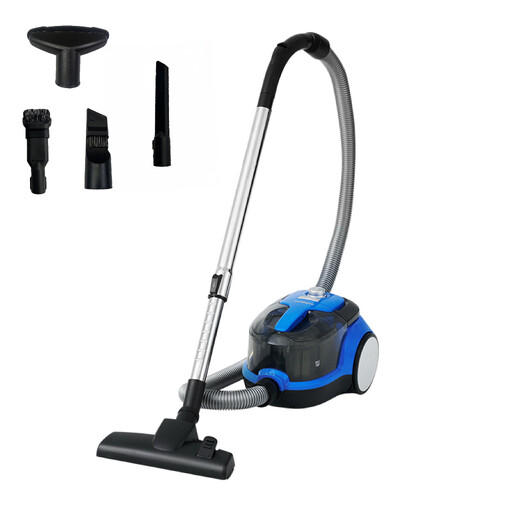
Why it suits this profile: This model runs on mains power, so there is no battery to run out while you are cleaning. The product information states 800 W, approximately 17.5 kPa suction power, a 1.1-litre dust container and several brush heads.
The constant power supply means you do not have to rely solely on maximum battery life. The filter is removable and washable, but must be allowed to dry completely after cleaning.
1.1-litre dust capacity, automatic cord rewind and accessories for floors, carpets and furniture.

Why it suits this profile: According to the product information, this robot combines a mopping function, multi-floor mapping, carpet detection and an all-in-one station.
The manufacturer mentions automatic dust disposal, mop washing at 75 °C and hot-air drying. You still need to check the tanks, brushes and sensors.
According to the product specifications: 20,000 Pa, dual rotating mops, anti-tangle brushes and a station with a four-litre clean water tank.
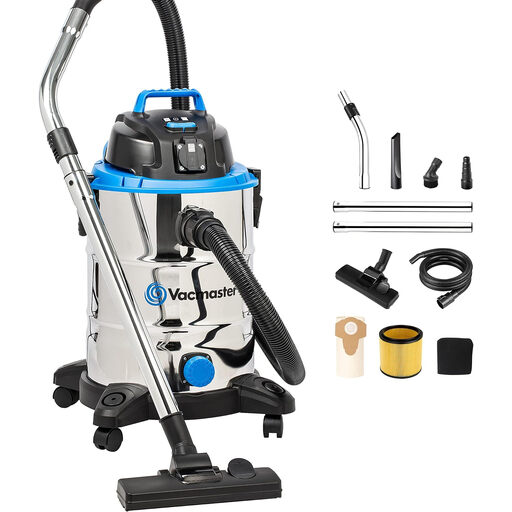
Why it suits this profile: This model is designed for garages, workshops, cars and larger cleaning tasks. Its stated features include a 1500 W motor, a 30-litre tank, wet and dry vacuuming and a blower function.
The different filters distinguish between dry dirt and liquids. Never use the wrong filter or use the appliance for flammable liquids, hot ash or hazardous substances.
30-litre stainless steel tank, EU socket for power tools and switching between vacuuming and blowing.
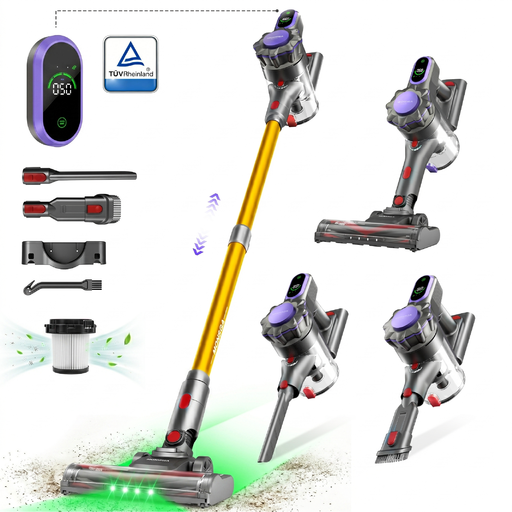
Why it suits this profile: According to the product information, this stick vacuum has an anti-tangle brush, a removable battery, a 700 ml dust container and a stated runtime of up to 55 minutes on the lowest floor setting.
The product information specifies separate floor and carpet modes. This means you can use the maximum setting when needed, rather than treating the battery life as a fixed figure for every cleaning session.
Removable battery, self-standing design, LED display and a brush that, according to the manufacturer, helps reduce hair wrap.
We have compiled a complete, up-to-date list of products that fully meet these strict selection criteria and the applicable European safety regulations.
Look for a motorised brush, an anti-tangle design, an easy-to-empty container and a well-maintained filter. A robot vacuum with a mopping function can keep on top of hair and dust every day, while a stick vacuum is more convenient for sofas, stairs and hard-to-reach areas.
Its lifespan depends on usage, maintenance, parts and storage. Clean the filters, brushes and sensors according to the instructions, prevent blockages and do not use a wet and dry vacuum cleaner outside its specified applications. Before buying, check whether replacement filters, dust bags and brushes are available.
In addition to the purchase price, factor in electricity, dust bags, filters, cleaning solution and any battery replacement. A robot with a station may require additional consumables, such as dust bags and mopping solution. A model with a washable filter can reduce some ongoing costs, provided the filter is maintained correctly.
