
Vandaag of morgen in huis

Kwaliteit gegarandeerd

Welkomstaanbiedingen ontgrendelen: GRATIS bezorging | Tot 80% korting | Gratis 30 dagen JoyPlus-proefperiode
Download de app
Buying a vacuum cleaner sounds simple until you have to choose between a stick vacuum, robot vacuum, handheld vacuum or wet-and-dry vacuum. Manufacturers often highlight high suction power, long runtimes and smart features. However, these figures do not always tell you how well a device will perform in a typical household.
So pay particular attention to these three common pitfalls:
First, decide what you need the appliance for. A large household with pets has different requirements from someone who mainly wants to remove crumbs from the car.
A powerful vacuum cleaner can be useful for deep-pile carpets, sand and pet hair, but a high Pa rating is not a universal measure of performance. Also compare:
With a robot vacuum, the side brush, navigation and automatic return to the charging station are also important. A model with LiDAR may be able to create a map of your home according to the product description, but you will still need to clear away loose cables, toys and small objects.
Compare a cordless vacuum on more than just “up to ... minutes”. Check whether this figure applies in eco mode and without motorised accessories. Also look at:
A model with a freestanding design is handy if you often pause while cleaning. For a large house, a second battery may be more useful than higher maximum suction power.
A HEPA filter or multi-stage filtration system can help trap fine particles in the expelled air. However, always check exactly what the manufacturer has measured. According to the product descriptions of some models, this refers to a certain percentage of particles under specific conditions. It is not a guarantee of improved air quality or a health benefit.
Also pay attention to:
With a vacuum cleaner that has a mopping function, empty the dirty water after every cleaning session and allow the components to dry. In addition, never use a robot vacuum with a mopping function for flammable liquids or unknown chemicals.
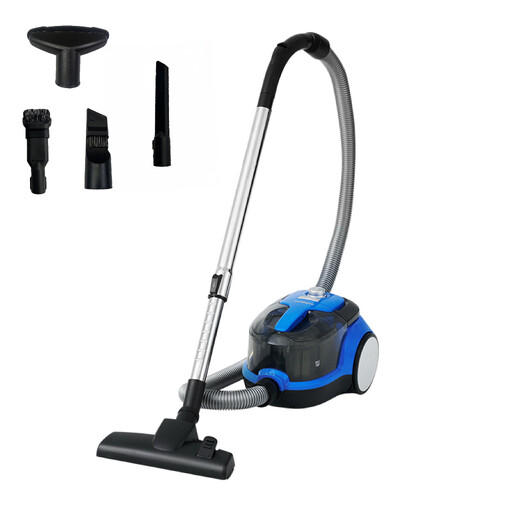
Why it suits this profile: This model runs from the mains, so there is no battery to charge. The 1.1-litre dust container, automatic cable rewind and multiple nozzles are practical for floors, carpets and furniture.
The product specifications state both the 800 W power rating and approximately 17.5 kPa suction power. This allows you to assess the key figures alongside the dust-container capacity and cable length.
Cable with automatic rewind, bagless design, washable removable filter and multiple brush heads.
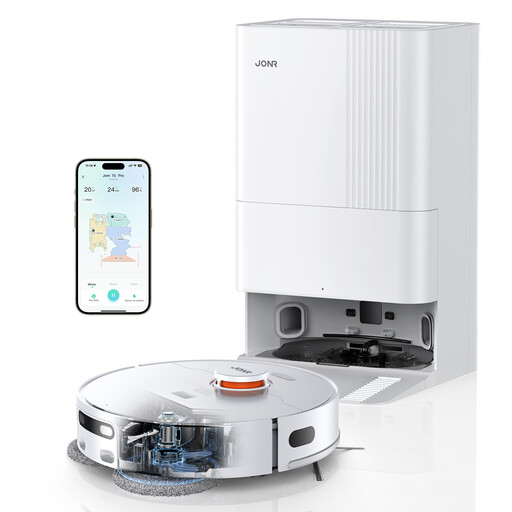
Why it suits this profile: Ideal for households that want to automate everyday cleaning. According to the product description, the robot combines vacuuming, mopping, LiDAR navigation and an all-in-one dock with zone settings via an app.
The description specifies the installation requirements: positioning against a wall, clear space around the dock and a complete initial mapping run. This makes the required preparation clear.
Stated suction power of 8150 Pa, LiDAR navigation, anti-tangle side brush and hot-air drying in the dock.
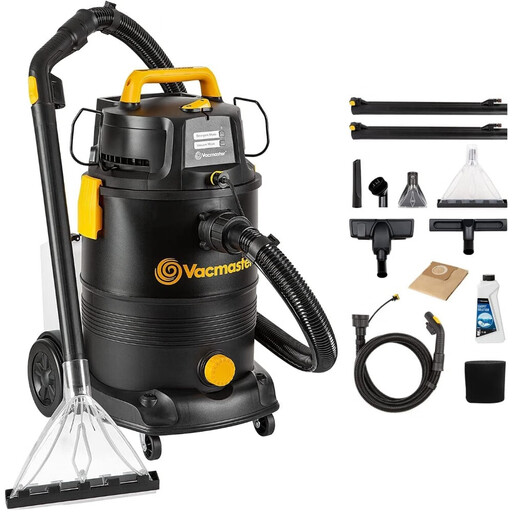
Why it suits this profile: A practical choice for large textile surfaces, car interiors, garages and intensive cleaning. This mains-powered model has separate tanks for cleaning solution and dirty water.
Wet cleaning uses a suitable foam filter, while a cartridge filter and HEPA exhaust filter are specified for dry vacuuming. The filters must be selected and maintained according to the application.
1300 W, a 30-litre dirty-water tank, a 6-litre cleaning-solution tank and accessories for wet, dry and textile cleaning.
We have put together a complete, up-to-date list of products that fully meet these strict selection criteria and the applicable European safety regulations.
That depends on the runtime at each setting, the battery capacity and the layout of your home. Compare the stated maximum runtime with your expected usage in normal or turbo mode. A removable or additional battery can be useful if you have multiple floors.
Its lifespan depends on usage, maintenance and the availability of spare parts. Empty the dust container in good time, keep the air inlet clear and clean the filters and brushes according to the instructions. With a robot vacuum, this also includes cleaning the sensors, side brushes and charging station.
In addition to the purchase price, you may need to factor in electricity, filters, dust bags, brushes, cleaning solution and batteries. A bagless model eliminates the need to buy dust bags, but filters and brushes are still wear parts. A mopping or washing function also means maintaining the tanks and microfibre pads. Check these components before ordering so that you can estimate the total cost more accurately.
