
Vandaag of morgen in huis

Kwaliteit gegarandeerd

Welkomstaanbiedingen ontgrendelen: GRATIS bezorging | Tot 80% korting | Gratis 30 dagen JoyPlus-proefperiode
Download de app
Choosing a new vacuum cleaner may seem straightforward, but the differences between models are significant. A robot vacuum works differently from a cordless stick vacuum, while a wet and dry vacuum cleaner is designed for completely different tasks. Even high figures such as 16.000 Pa or 60.000 Pa do not tell the whole story.
That is why it is important to focus on practical features: is the appliance suitable for your flooring, how long can you use it for and how much maintenance does it require? Below, you will find the key points to consider, along with some popular choices for households, pet owners, motorists and DIY enthusiasts.
Manufacturers often quote a high suction power in Pa or kPa. This is a technical measurement, but it does not guarantee that every type of dirt will be picked up effectively from every surface. The brush, airflow, filter design and floor head also have an impact.
For example, a powerful vacuum cleaner for carpets needs a suitable motorised brush. On hard floors, manoeuvrability, a soft floor brush and low noise levels may sometimes be more important than the highest power setting.
With a cordless vacuum cleaner, the quoted runtime usually applies to an energy-saving setting. The maximum setting uses considerably more power. So check whether the battery is removable, how long it takes to charge and whether the runtime is suitable for the size of your home.
A stick vacuum with a removable battery can be more practical for homes with multiple floors. A model with a fixed battery is often simpler, but offers fewer options if the battery deteriorates or runs out.
A vacuum cleaner with a mopping function is generally intended for lightly damp cleaning of hard floors. This is different from a wet and dry vacuum cleaner, which can suck up spilled liquids. So do not use a robot vacuum with a mopping function on puddles or wet spills unless the product manual explicitly permits it.
In addition to the stated suction power, look at:
A green LED on the floor head can make fine dust more visible. It is a cleaning aid, not an independent guarantee of a cleaner floor.
For a stick vacuum, runtime, charging time and dust container capacity are important considerations. A 0,7-litre or 2-litre dust container needs emptying less often than a compact model, but it may also make the appliance heavier.
A corded model provides a constant power supply. This can be suitable for larger areas if you do not want to wait for the battery to charge. For a car interior or crumbs on furniture, a compact handheld vacuum cleaner is often more convenient than a full-size floor model.
According to the product description, a HEPA filter vacuum cleaner can filter fine particles from the airflow. Always check:
A blocked filter can reduce airflow and suction performance. A brush clogged with hair and a full dust container will also have an immediate effect on performance.
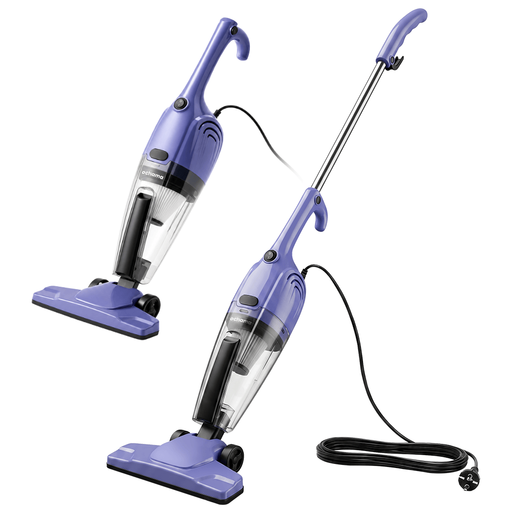
Why it suits this profile: This corded model combines stick and handheld functions and has a 4,5-metre cord. It is therefore suitable for small homes, student rooms and quick cleaning without having to manage a battery.
The constant power supply means that cleaning time does not depend on a battery. The product information also states that it has a removable, washable filter.
550 W motor, visible 0,5-litre dust container, multiple settings and a 2-in-1 design.

Why it suits this profile: A household with hard floors, carpets and pets can benefit from automatic navigation, mopping and maintenance via the Omni station.
The product description mentions automatic dust emptying, mop washing at 75 °C, hot-air drying and carpet detection. Check the space required for the station beforehand.
20.000 Pa according to the product specification, LiDAR-style mapping functions via TrueMapping 2.0 and a station with multiple automatic functions.
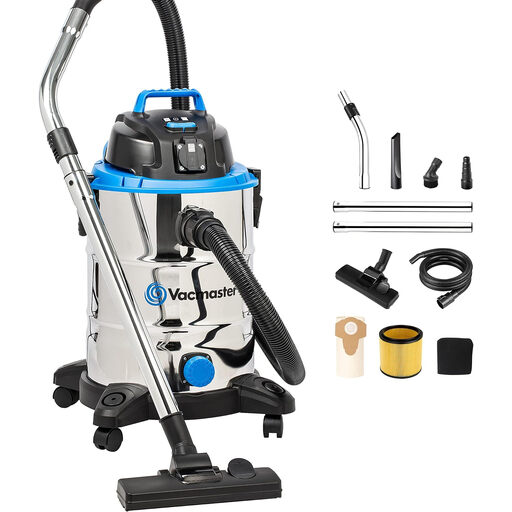
Why it suits this profile: For garages, workshops, cars and DIY projects, a wet and dry vacuum cleaner with a large tank and blower function is more practical than a standard household vacuum cleaner.
This model is specifically stated to be suitable for wet and dry use. Always use the correct filter for the task and do not vacuum hazardous substances, hot ash or flammable liquids.
1.500 W power, a 30-litre stainless-steel tank, EU tool connection and blower function.
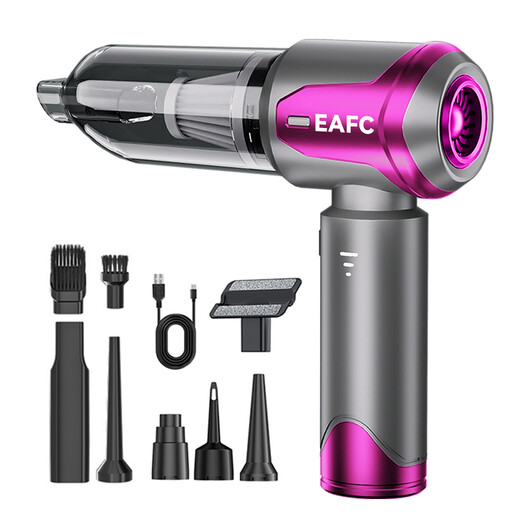
Why it suits this profile: This compact model is designed for car interiors, furniture, keyboards and small gaps. Its cordless design makes it suitable as a handheld vacuum for quick cleaning.
The product information states a charging time of around two hours, a USB-C connection and a washable HEPA filter. It is therefore clearly intended as an extra appliance rather than a floor vacuum cleaner for an entire home.
16.000 Pa according to the product information, four functions, multiple attachments and a 6.000 mAh battery.
We have put together a complete, up-to-date list of products that fully meet these strict selection criteria and the applicable European safety regulations.
Look for a motorised floor brush with an anti-tangle function, an easily accessible brush roll and sufficient capacity. A stick vacuum is useful for daily maintenance, while a robot vacuum can run cleaning cycles on a schedule. Do check whether hair needs to be removed regularly from the brush and filter.
The runtime per charge depends on the selected setting, flooring and accessories. The overall lifespan is also affected by the battery, motor, filters and maintenance. Allow filters to dry completely, clear hair from the brush and store the battery according to the instructions. A removable battery can make replacement easier.
In addition to the purchase price, you should factor in electricity, replacement filters, dust bags, mop pads and any cleaning solution. A corded model has no battery to replace, while a robot vacuum with a self-cleaning station often uses dust bags and maintenance products. So do not compare only the appliance itself, but also the recurring replacement parts.
