
Vandaag of morgen in huis

Kwaliteit gegarandeerd

Welkomstaanbiedingen ontgrendelen: GRATIS bezorging | Tot 80% korting | Gratis 30 dagen JoyPlus-proefperiode
Download de app
Buying a vacuum cleaner seems simple, until you have to choose between a cordless vacuum cleaner, stick vacuum, handheld vacuum, wet and dry vacuum or a model with a mopping function. Marketing terms such as “powerful suction”, “self-cleaning” and “suitable for all floors” sound appealing, but they don’t always tell you how practical an appliance will be in a typical UK home.
Look out for these common pitfalls:
For a vacuum cleaner for hard floors, a soft floor brush, good manoeuvrability and a suitable suction setting are often more important than a big number on the packaging. For carpets and pet hair, a motorised brush and anti-tangle function are useful.
If you’re looking for a vacuum cleaner for carpets, check whether the floor head has a carpet setting. A dual-mode floor head, as found on some wet and dry and all-in-one vacuums, makes it easier to switch between carpets and hard floors.
If you need a vacuum cleaner for pets, these features are particularly worth considering:
A cordless vacuum cleaner is handy for quick cleaning, but always compare the battery life with the setting used. A model with 25 to 35 minutes of runtime may suit a flat or daily cleaning, while a larger household may need an extra battery, a longer cable or a bigger dust container.
Check the charging time too. Some models take several hours to recharge. A charging station is convenient, but takes up space. A direct charging cable may be more flexible for a handheld vacuum or dustbuster.
A standard vacuum cleaner is designed for dry dirt. Don’t use one to pick up water, spilled drinks or other liquids. A wet and dry vacuum cleaner is designed for this, but always check which filters and tanks you need to use.
For everyday hard-floor cleaning, a vacuum cleaner with a mopping function can be useful. These appliances pick up dirt and clean with water at the same time. However, you’ll need to empty the dirty water tank and clean the brush and pipes after use. Don’t use them on untreated wood, delicate floors or carpets without first checking that they’re suitable.
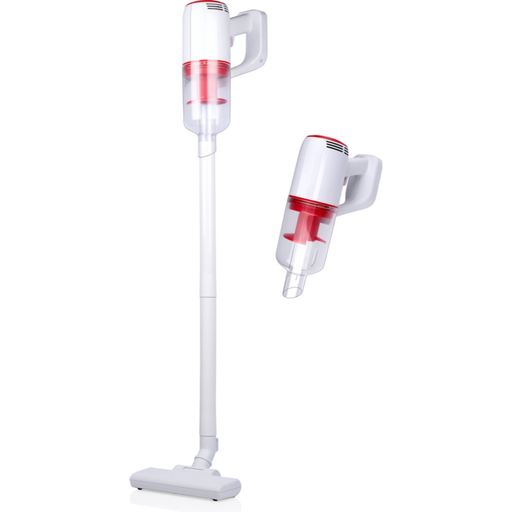
Why it suits this type of user: This model combines a stick vacuum and a handheld vacuum. It’s a good choice for small homes, hard floors and quick cleaning of furniture.
The product information lists the runtime for each setting separately: up to 25 minutes on low and 15 minutes on high. This makes it easier to assess the battery performance.
1.3 kg product weight, 0.5-litre dust container, two suction settings and a crevice tool.
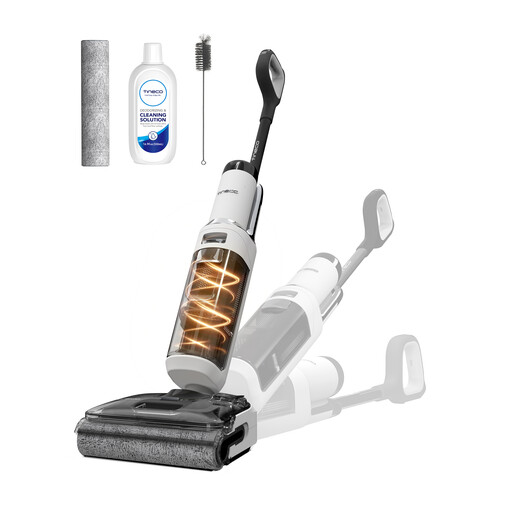
Why it suits this type of user: This cordless floor cleaner is designed for hard floors and combines vacuuming with mopping. Its reclined position is handy for cleaning under low furniture.
The product description clearly states that this model is designed for hard floors such as tiles, laminate and sealed wood. It isn’t a universal carpet cleaner.
180° flat design, up to 40 minutes of runtime according to the product specifications, and a charging and cleaning station.
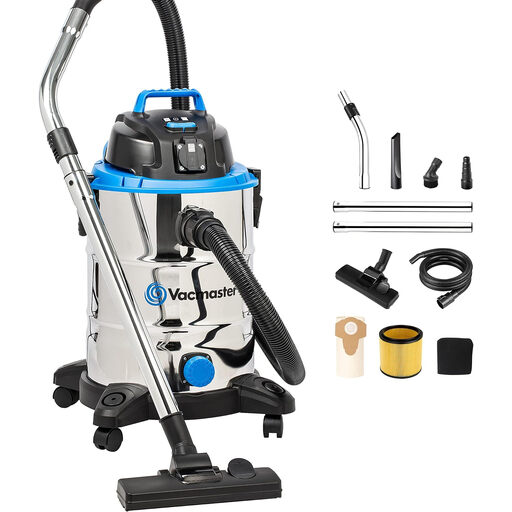
Why it suits this type of user: This model is designed for garages, workshops, DIY projects and larger cleaning jobs where a compact dustbuster won’t be enough.
The product information distinguishes between dry and wet cleaning and specifies separate filters. This helps ensure that a filter isn’t used for every task without checking first.
1500 W motor, 30-litre stainless steel tank, blowing function and an EU socket for power tools.
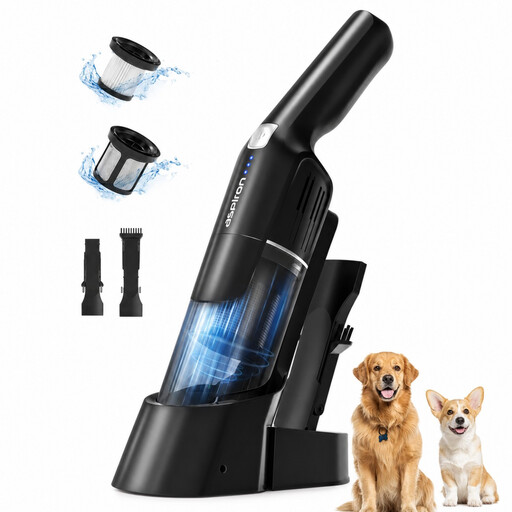
Why it suits this type of user: This handheld vacuum is designed for crumbs, dust, light pet hair and dirt in the car, on the sofa or on a desk.
According to the description, this product is designed for dry dirt. It’s therefore clear that it isn’t a wet and dry vacuum or a mop.
Two settings, up to 24 kPa according to the product details, a 500 ml dust container, HEPA filter and 2-in-1 accessories.
We’ve put together a complete, up-to-date list of products that meet these strict selection criteria and the applicable European safety regulations.
A vacuum cleaner will generally remain in good working order as long as you look after its filters, brushes, battery and tanks. Empty the dust container before it gets completely full, and check regularly for hair blocking the brush. Washable filters must be allowed to dry completely before you put them back.
Don’t use a standard cordless vacuum cleaner to pick up liquids. With a wet and dry model, fit the correct filter and empty the tank after use. Don’t vacuum hot ash, flammable liquids, sharp objects or hazardous substances. Always follow the instructions and check that the appliance is suitable for your floor.
Choose a model with a motorised turbo brush, a brush that’s less likely to get tangled with hair, and an easily accessible filter. For furniture and car interiors, a handheld vacuum with a brush and crevice tool is useful. Also check that the dust container is large enough for the amount of hair in your home.
Electricity use depends on the power rating, runtime, charging losses and how often you use the appliance. A cordless vacuum cleaner doesn’t use electricity while you’re cleaning, but it needs to be recharged afterwards. A corded model doesn’t need a replacement battery, but it uses mains electricity continuously. So look beyond the purchase price and consider the battery, filters and any replacement parts too.
Ideally, empty the dust container or dirty water tank after intensive use. Check the brush weekly if you have pets or long hair in your household. Clean the filters according to the instructions and allow washed parts to dry completely. Even with a self-cleaning model, you’ll still need to check the tanks, seals and brushes by hand.
