
Vandaag of morgen in huis

Kwaliteit gegarandeerd

Welkomstaanbiedingen ontgrendelen: GRATIS bezorging | Tot 80% korting | Gratis 30 dagen JoyPlus-proefperiode
Download de app
Buying a vacuum cleaner seems straightforward, until you have to choose between a cordless vacuum cleaner, a stick vacuum, a robot vacuum or a model with a mopping function. Marketing claims about suction power, filters and battery life don’t always make it easier to compare models. A high Pa rating, for example, doesn’t automatically mean an appliance will clean every type of floor better.
Focus instead on the practical details: how long you can actually clean for, what maintenance is required and whether the accessories suit your home. Below, you’ll find out which specifications matter and which models suit different needs.
Manufacturers often quote a figure in Pa, watts or air watts. These units don’t measure exactly the same thing. Pa refers to pressure, while air watts combine airflow and pressure. What’s more, cleaning performance depends on the brush, air channels and seals.
So, a powerful vacuum cleaner with a high rating may be less practical if the floor brush quickly gets clogged with hair or the battery lasts only a short time on the highest setting.
The stated battery life usually applies to the lowest setting, and sometimes with the motorised brush switched off. A vacuum cleaner with long battery life may run for considerably less time in turbo mode. So always check:
For a flat, 30 minutes may be enough. In a larger home with several carpets, a removable battery is more practical.
A vacuum cleaner with a HEPA filter can help trap fine particles, but only if the filter is fitted and maintained correctly. Some filters are washable; others need to be replaced. Let washed filters dry completely before putting them back.
With a bagless vacuum cleaner, you’ll also need to clean the dust container, cyclone and brush regularly. With a robot vacuum, you’ll also need to maintain the sensors, mop pads and, where applicable, the docking station’s dust bags.
For a mix of hard floors and carpet, you need more than just a high figure on the packaging. Look for:
A vacuum cleaner for carpet and hard floors needs to be versatile. A soft brush is useful on delicate floors, while a motorised brush can be more effective at removing pet hair from carpets.
For households with pets or people sensitive to dust, a well-sealed filtration system is important. Check the filter type, whether it can be replaced and the maintenance instructions. A large container, such as 0.9 or 1.5 litres, means less frequent emptying, but it can also make the appliance heavier.
A small handheld vacuum cleaner with a 500 ml container is handy for crumbs, furniture and car interiors. Don’t expect it to cover the same ground as a full-sized stick vacuum.
A vacuum cleaner with a mopping function is mainly intended for light, damp cleaning. It isn’t automatically suitable for sucking up puddles or spilled liquids. Check whether the water tank is removable and whether the mop pads are easy to wash.
For a robot vacuum, LiDAR navigation, virtual boundaries and automatic resume are useful features. A robot vacuum with automatic emptying means you won’t need to empty it every day, but you’ll have ongoing costs for dust bags. Also allow enough clear space around the charging station, and keep cables and toys off the floor.
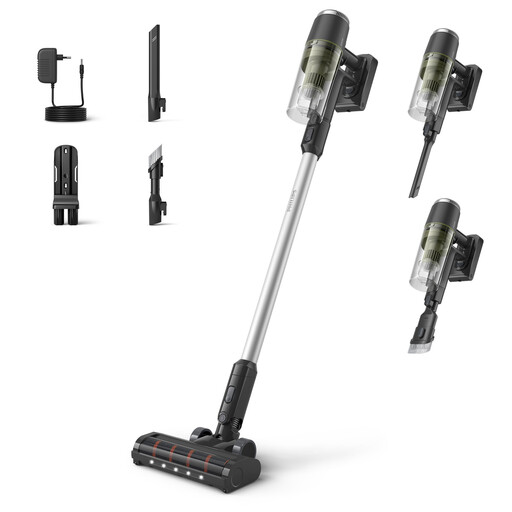
Why it suits this household: This cordless stick vacuum is suitable for everyday cleaning on different floor types and can be converted into a handheld vacuum for furniture, stairs and the car.
The product information lists two speeds and a running time of up to 60 minutes. Check that this refers to the lowest setting, and allow around 5 hours for charging.
LED lights on the floor head, a bagless design, up to 60 minutes’ running time and a weight of 1.29 kg, according to the product information.
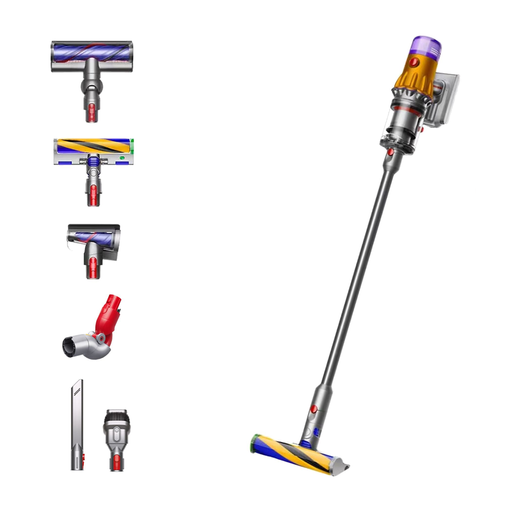
Why it suits this household: A compact cordless vacuum for anyone who values features for tackling fine dust, different power settings and accessories for a range of surfaces.
The stated 60 minutes applies to the lowest setting; 10 minutes is quoted for the highest setting. This makes it easier to set realistic expectations for battery life.
Up to 150 AW, a 0.35-litre dust container, three settings and a display showing information about collected dust particles, according to the product information.
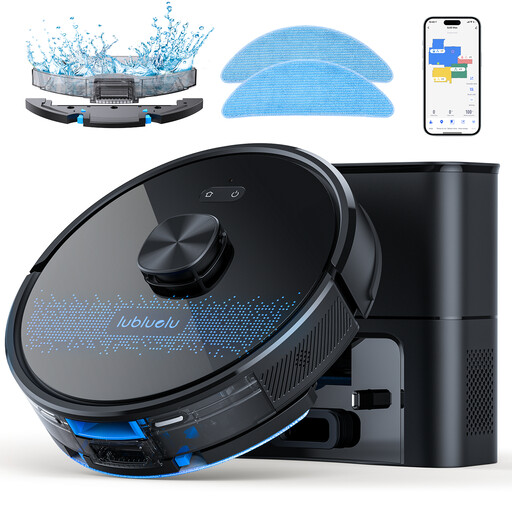
Why it suits this household: For households with pets or little time to spare, a robot with LiDAR navigation, a mopping function and automatic emptying can help keep floors clean regularly.
The product page lists automatic emptying, room mapping and no-go zones. Cables, toys and other loose items still need to be cleared away beforehand.
4000 Pa according to the product information, LiDAR 9.0, vacuuming and mopping, up to 120 minutes’ battery life and a 3 to 4-litre dust bag in the station.
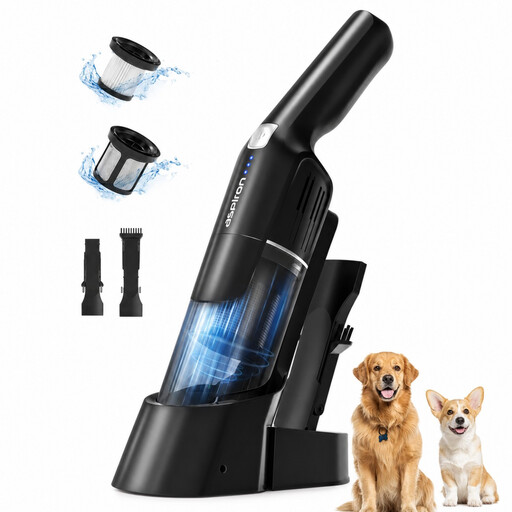
Why it suits this household: This compact handheld vacuum is designed for crumbs, sofas, keyboards, pet hair and car interiors, so you don’t have to get out a full-sized vacuum.
The product description makes clear that this model is for targeted dry cleaning and isn’t a replacement for a full-sized floor cleaner.
Two settings, up to 24 kPa according to the product information, a 500 ml container, HEPA filter and charging station.
We’ve put together a complete, up-to-date list of products that meet these strict selection criteria and current European safety regulations.
Lifespan depends on more than just the brand or price. Empty the dust container before it gets completely full, remove hair from the brush and clean the filters according to the instructions. For a robot vacuum, check the wheels, sensors and mop module too.
Don’t use a vacuum cleaner for liquids unless the model is explicitly designed for this. Hot ash, sharp objects and flammable materials should also never go in a standard household vacuum cleaner. With a mopping model, remove the dirty water after use and leave the pads to dry.
Look for a motorised floor brush, an anti-tangle function and an accessory for furniture. A good filtration system is useful, but also check how often the filters need to be cleaned or replaced. For everyday pet hair on hard floors, a robot vacuum can be handy; for sofas and cars, a handheld vacuum is more practical.
This mainly depends on the battery, filters and accessories. A replaceable battery can extend the life of the appliance. With a robot vacuum that empties itself automatically, you may also need to factor in the cost of dust bags and replacement mop pads. Check the cost of these parts before you order.
Empty the container when it gets full and regularly check the brush for hair. Filters should generally be cleaned periodically, following the instructions. Washable filters must be completely dry before you put them back. For a robot vacuum, it’s a good idea to rinse the mop pad after every mopping session and wipe the sensors with a dry cloth regularly.
