
Vandaag of morgen in huis

Kwaliteit gegarandeerd

Welkomstaanbiedingen ontgrendelen: GRATIS bezorging | Tot 80% korting | Gratis 30 dagen JoyPlus-proefperiode
Download de app
Choosing a new vacuum cleaner seems straightforward, until you start comparing specifications. Manufacturers use different methods to measure suction power, battery life and filter performance. As a result, a model can look impressive on paper but be less suited to your home in everyday use.
Look out for these three common pitfalls:
The right choice depends on your floors, the size of your home and how you like to clean.
Don’t just look at the number on the packaging. A powerful vacuum cleaner also needs a well-designed floorhead to perform well in practice. A soft brush can work better on hard floors, while a motorised brush is useful for carpets and pet hair.
With cordless models, it’s worth considering the suction setting, runtime and charging time together. A model with a high maximum setting may be less suitable if you can only use it for a short time.
The quoted battery life is usually a maximum measured under specific conditions. So check:
A washable filter may reduce ongoing costs, but it needs to be maintained properly. Putting a damp filter back in can damage the appliance.
According to the product specifications, a HEPA-filter vacuum cleaner can trap a large proportion of fine particles. Check the entire filtration system, not just the word “HEPA”. The connection between the dust container and the seals also matters.
Check the capacity, too. A 0.5-litre dust container is compact, while a capacity of 1.6 litres or more means you’ll need to empty it less often. This can make a noticeable difference in homes with pets.
Noise levels are measured in decibels. A difference of a few decibels can make a vacuum cleaner more pleasant to use, but measurement conditions can vary between manufacturers. Treat the figure as a guide, not a guarantee of how loud it will sound.
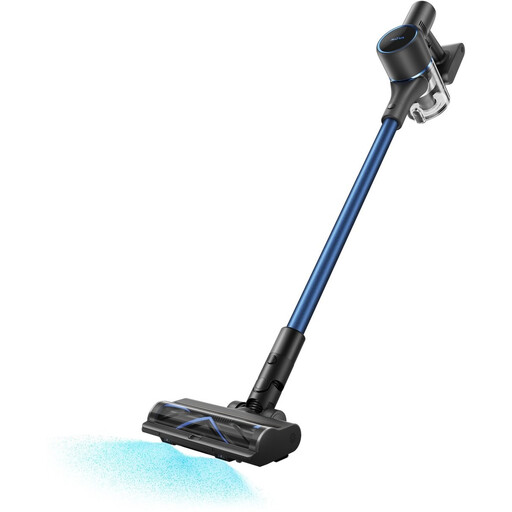
Why it suits this type of user: This cordless stick vacuum combines a floor-cleaning function with a detachable handheld vacuum. It’s handy for everyday cleaning of hard floors, furniture and awkward-to-reach spots.
The product specifications state a runtime of up to 45 minutes and automatic suction adjustment based on dirt detection. Bear in mind that the actual runtime can vary by setting.
425 W power, 150 Airwatt suction power, a 0.5-litre dust container and a HEPA filtration system, according to the product description.
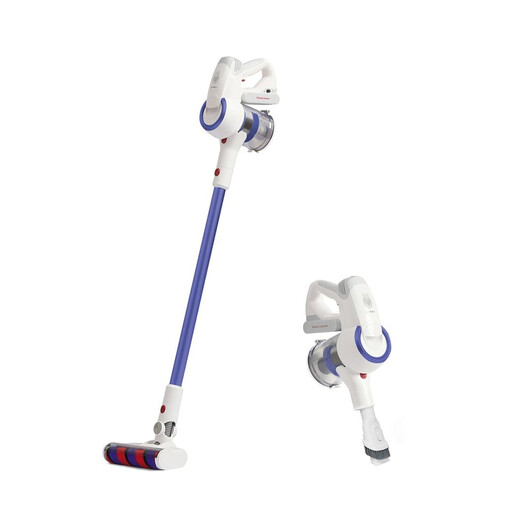
Why it suits this type of user: This lightweight model is designed for flexible cleaning on carpets and hard floors. Its removable battery is handy if you want to charge it separately or need a replacement battery later on.
The product information lists an anti-tangle floor brush and says the vacuum is suitable for both carpets and hard floors. This makes it a good option for homes with long hair or pets.
Product weight of 1.46 kg, runtime of up to 45 minutes and a HEPA filter that, according to the manufacturer, captures 99.97% of particles.
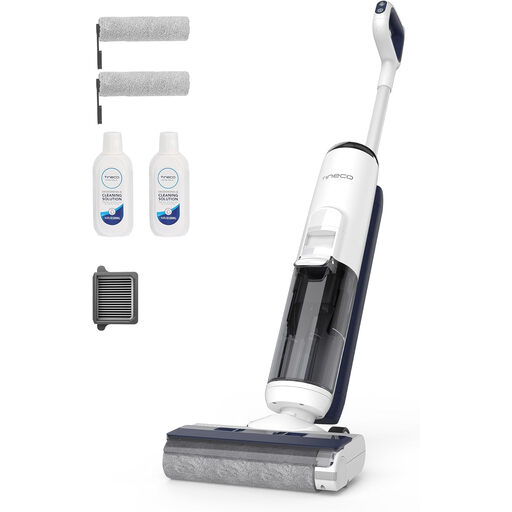
Why it suits this type of user: This appliance is designed for hard floors such as vinyl, tiles, laminate and sealed wood. It combines vacuuming with damp cleaning, making it useful in homes where stains and spills are a regular occurrence.
The instructions limit this model to indoor hard floors and warn against using it on flammable liquids and other unsuitable materials. It’s not a universal wet and dry vacuum cleaner for every situation.
Cordless design, self-cleaning function, two extra roller brushes and a cleaning solution included, according to the product information.
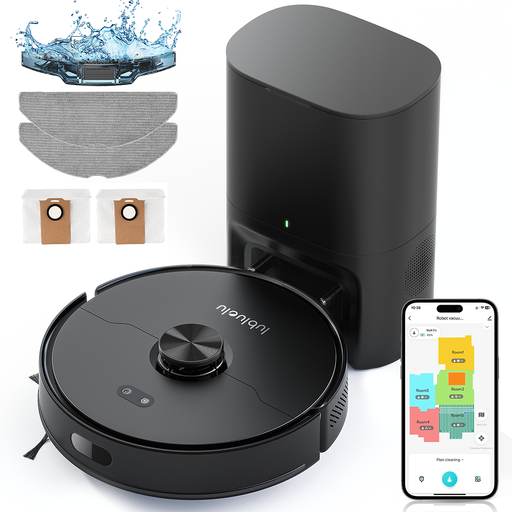
Why it suits this type of user: This robot vacuum cleaner is suitable for regular maintenance cleaning on carpets and hard floors. You can use the app to set rooms, schedules and virtual boundaries.
Laser navigation, storage for up to five maps and no-go zones are useful in homes with multiple rooms. According to the instructions, the mop function is for damp mopping, not for picking up water.
Listed suction power of 4000 Pa, a quoted noise level of 55 dB and control via a smartphone app.
We’ve put together a full, up-to-date list of products that meet these strict selection criteria and comply with current European safety regulations.
A cheap vacuum cleaner can end up costing more if filters, batteries, dust bags or specialist cleaning solutions are difficult to find. Before you buy, check:
For a vacuum cleaner for carpets and hard floors, an adjustable or suitable floorhead is also important. A model designed for hard floors only won’t necessarily work well on deep-pile carpets.
Its lifespan depends on the battery, motor, filters and maintenance. Emptying the dust container regularly, cleaning the filters when needed and keeping the brush clear can help prevent blockages. Models with a removable battery are generally easier to replace than those with an integrated battery, but always check whether spare parts are available.
Energy use depends on how often it cleans, the suction setting, charging time and the floor area. A robot that runs for a short time every day may use a different amount of electricity from one that runs for longer on a high setting a few times a week. Product specifications and the energy label, where available, provide a better guide than the motor rating alone.
Not always. Some appliances are designed for wet cleaning, while other robot vacuum cleaners only mop with a damp cloth. Check the instructions carefully. Don’t use a robot vacuum cleaner on puddles or large spills unless the manufacturer explicitly says that you can.
