
Vandaag of morgen in huis

Kwaliteit gegarandeerd

Welkomstaanbiedingen ontgrendelen: GRATIS bezorging | Tot 80% korting | Gratis 30 dagen JoyPlus-proefperiode
Download de app
Buying a new vacuum cleaner sounds simple, until you have to choose between a robot vacuum, cordless stick vacuum, wireless vacuum or traditional corded model. Manufacturers often use impressive figures and clever terminology. These do not always tell you how well an appliance will work in a typical household.
Pay particular attention to these common pitfalls:
Suction power is expressed for many models in Pa, kPa or sometimes simply in watts. These figures cannot be compared directly. Motor power in watts indicates electricity consumption, not automatically the appliance’s actual dirt pick-up performance.
You should therefore also look for:
A vacuum cleaner for carpets and hard floors benefits from a brush that can be adjusted. A hard brush can scratch delicate flooring, while a softer setting may be less effective on deep-pile carpet.
A stick vacuum, cordless vacuum or wireless vacuum is flexible to use, but check how the manufacturer measured the runtime. Pay attention to the difference between:
For a flat, 30 to 45 minutes may be sufficient. In a larger home or across several floors, a removable battery is more practical. A corded vacuum cleaner, on the other hand, has a constant power supply, so you do not have to stop and recharge.
A vacuum cleaner with a HEPA filter can be a suitable choice if you want to filter fine dust particles more effectively. However, check which filter type is specified, whether it is washable and how long it is expected to last according to the instructions. A brand’s filtration claim is not a universal guarantee for every household; treat it as a product specification provided by the manufacturer.
The collection method also makes a difference:
A robot vacuum is useful for daily maintenance when floors are largely free of cables, toys and loose clothing. A stick vacuum is suitable for quick cleaning, stairs and furniture. For large amounts of water, carpet cleaning or jobs in the garage, you need a wet and dry vacuum cleaner.
When choosing a robot vacuum, also pay attention to:
A vacuum cleaner with a mopping function requires extra attention to water management. Only use the liquid permitted in the instructions and do not leave the appliance standing with dirty water in the tank.
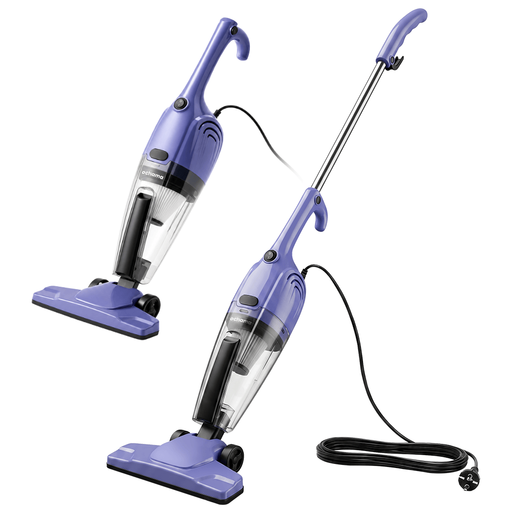
Why it suits this profile: This model uses a mains cable and is suitable for small spaces, hard floors and quick cleaning without having to manage a battery.
The constant power supply prevents performance from dropping because of a flat battery. The manufacturer also specifies a washable filter and a 0.5-litre dust container.
550 W motor, 4.5-metre cable, 2-in-1 design and several cleaning modes.
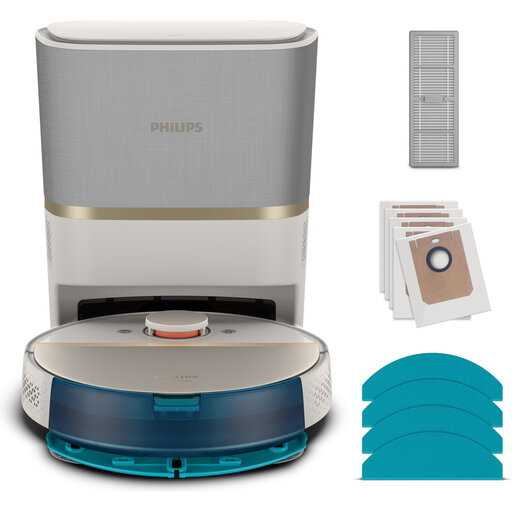
Why it suits this profile: Suitable for households that want to vacuum and mop automatically every day, with systematic navigation and an automatic emptying station.
The product specification lists LiDAR navigation, object detection and an automatic emptying station. The mopping function is intended for combined maintenance, not for vacuuming up liquids.
Up to 180 minutes of stated runtime, 5000 Pa according to Philips, automatic emptying and an app for scheduling.
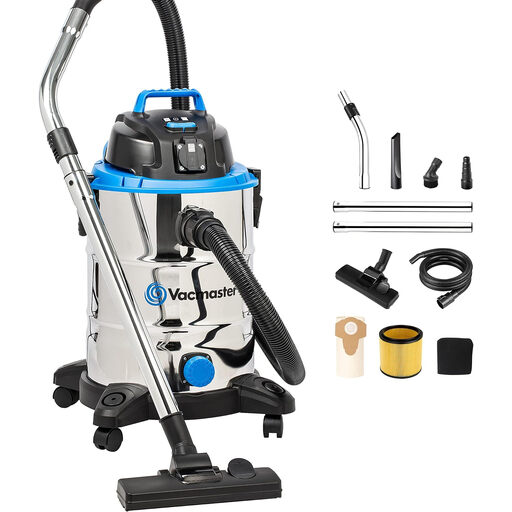
Why it suits this profile: For garages, workshops, vehicles and major cleaning jobs involving dry dirt, liquids or sawdust.
This is clearly a wet and dry model with separate filters for dry and wet use. This makes its intended use less ambiguous, but changing the filter and cleaning the appliance are still necessary.
1500 W, 30-litre stainless-steel tank, blow function and integrated EU socket for power tools.
Before buying, always check the instructions, warranty terms and availability of spare parts. With a robot vacuum, the position of the charging station is important: measure the clear space around the station and check that doors and thresholds will not cause problems.
With a stick vacuum, check the weight with the tube and floor brush attached. A low product weight may refer only to the handheld unit. Also ask yourself whether you need a self-emptying vacuum cleaner. Such a station reduces the number of times you need to empty the appliance, but makes the system larger and brings recurring costs for bags.
Never use a dry vacuum cleaner for liquids. A wet and dry model is designed for this purpose, but it must not be used for flammable liquids, hot ash or sharp objects either. Always follow the manufacturer’s safety instructions.
We have put together a complete, up-to-date list of products that fully meet these strict selection criteria and the applicable European safety regulations.
Its lifespan depends on usage, maintenance and the availability of filters, brushes, batteries and dust bags. Clean the filters according to the instructions, remove hair from the brush and prevent blockages in the hose. With a cordless vacuum cleaner, the battery is an important wear component.
Not necessarily, but you should take charging electricity, possible battery replacement and additional filters into account. A bagged model has recurring costs for replacement bags. With a robot vacuum, bags for the emptying station and mopping components may also add to the running costs.
For everyday dust, crumbs and light maintenance, a robot can take care of much of the work. For stairs, furniture, corners, thick carpets and heavier dirt, a manual vacuum cleaner is often still practical. Many households therefore combine a robot vacuum with a stick vacuum or compact model.
