
Vandaag of morgen in huis

Kwaliteit gegarandeerd

Welkomstaanbiedingen ontgrendelen: GRATIS bezorging | Tot 80% korting | Gratis 30 dagen JoyPlus-proefperiode
Download de app
Choosing a new vacuum cleaner might seem straightforward at first. But models can vary considerably in how they work, how much maintenance they need and how well they suit your floors. A stick vacuum is handy for quick clean-ups, while a wet and dry vacuum is better for spills and stubborn dirt. A robot vacuum with a mopping function can save time, but you’ll need room for its docking station and must keep up with regular maintenance.
Look out for these three common pitfalls:
Cordless vacuum cleaners often show a rating in Pa or AW. Pa stands for pascal and is used to indicate suction pressure. AW refers to air watts and is more closely linked to the combination of airflow and suction. Only compare these figures between products that use the same measurement method.
For hard floors, a soft floor head or microfibre roller is important. A rotating vacuum cleaner brush can loosen dirt and pet hair, but the wrong brush could scratch your floors or become clogged with hair. So look for:
A stick vacuum gives you the freedom to clean without a plug socket, but the stated run time is often for a low power setting. On the highest setting, the battery may run down sooner. For a flat, 30 to 40 minutes may be enough; for a large home, a replaceable battery or longer cable can be useful.
A traditional bagged vacuum cleaner, on the other hand, doesn’t need time to recharge. According to its product information, the Miele Guard S1 Parquet Flex has a 10-metre operating radius, a 3.5-litre dust bag and a 7.5-metre mains cable. This can be handy if you want to clean several rooms without changing sockets too often.
With a wet and dry vacuum cleaner, check the capacity of both the clean- and dirty-water tanks. A tank that’s too small means more frequent refilling and emptying. Hot-water cleaning or warm-air drying may be part of the maintenance programme, but check whether you still need to rinse the tank and brush by hand.
A replacement brush roller is a useful accessory to factor into your buying decision. Always check the exact make and model. A brush that looks as though it will fit isn’t necessarily compatible. For example, browse the brush rollers for vacuum cleaners if you want to keep using an existing vacuum mop.
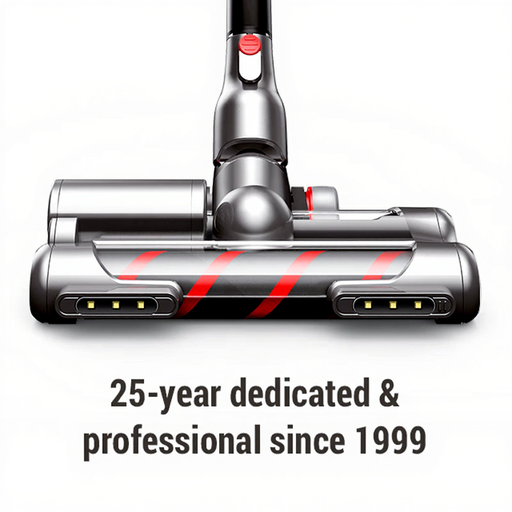
Why it suits this type of buyer: This cordless vacuum cleaner has an OLED display, a dual roller brush and a stated power rating of 535 W and 170 AW. It gives you a clear overview for everyday vacuuming, without the need to invest in a premium system.
The display shows information including the battery status and suction setting. You can also check and clean the brush and filters according to the instructions.
Cordless design, OLED display and dual roller brush. Not suitable for liquids or wet dirt.

Why it suits this type of buyer: This bagged vacuum cleaner is designed for homes with hard floors. The Parquet Twister floor head, four electronic settings and 10-metre operating radius are verifiable specifications for regular use.
You can adjust the suction power, so you don’t have to use the same setting on every surface. The manufacturer states that the AirClean filter system retains 99.99% of dust in accordance with IEC 62885-2.
3.5-litre dust bag, 10-metre reach and a dedicated parquet floor head. Bear in mind that you’ll need to buy replacement dust bags regularly.
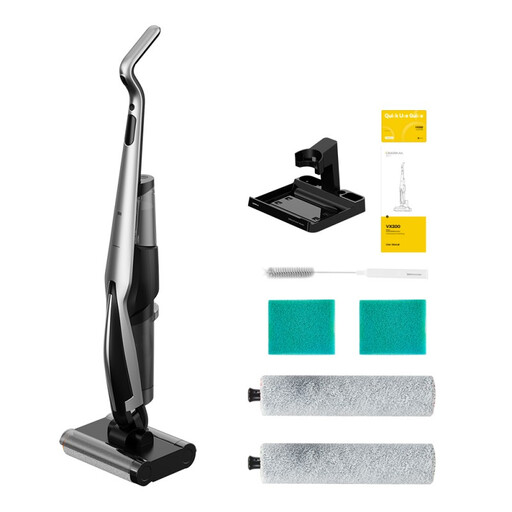
Why it suits this type of buyer: This vacuum mop combines wet and dry cleaning. The product information lists dual roller brushes, 22,000 Pa suction power, a maximum run time of 40 minutes and tanks with capacities of 650 and 550 ml.
The stated self-cleaning function uses 70 °C hot water and 70 °C warm air, reducing the amount of brush maintenance you need to do by hand. You’ll still need to empty the dirty-water tank after use.
Wet and dry cleaning in one appliance, dual roller brush and a maximum run time of 40 minutes. Use it on suitable hard floors, following the instructions.
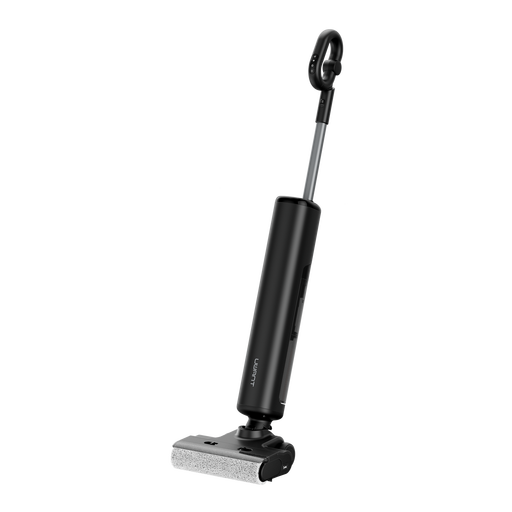
Why it suits this type of buyer: The D600 is designed for hard floors and, according to the product description, offers 23,000 Pa suction power, three water settings, a 180° recline and a docking station with cleaning and warm-air drying functions.
The water flow isn’t fixed: according to the product information, you can choose from three levels. This makes it easier to adjust the cleaning to suit the floor and the amount of dirt.
Edge cleaning on both sides, a 180° recline for cleaning under furniture and a push-in docking station. Not designed for carpets or soft floors.
We’ve put together a full, up-to-date list of products that meet these strict selection criteria and the applicable European safety requirements.
It depends on the battery life, the number of floors and the suction setting you choose. Check the maximum run time and see whether the battery is replaceable. If you need to clean for a long time without recharging, a corded model is still a practical choice.
This depends on how often you use it, your flooring and how much hair it picks up. For example, BISSELL says that replacing the CrossWave HF3 brush roller every six months can help maintain optimal results. Also check regularly for trapped hair, wear and deformation.
As well as the purchase price, you’ll need to factor in electricity, cleaning solution, filters and any replacement rollers. A model with a self-cleaning programme can reduce the amount of work you do by hand, but it may use extra water and electricity during cleaning and drying. So look beyond suction power and consider the tank capacity, maintenance frequency and cost of genuine accessories.
