
Vandaag of morgen in huis

Kwaliteit gegarandeerd

Welkomstaanbiedingen ontgrendelen: GRATIS bezorging | Tot 80% korting | Gratis 30 dagen JoyPlus-proefperiode
Download de app
Housework can feel like an endless cycle: first you vacuum, and just when you're done, it's time to mop. A vacuum and mop in one promises to cut this chore in half. But the market is flooded with models making lofty promises. Before you invest in a device that causes more frustration than convenience, it's crucial to understand the common pitfalls.
Many buyers fall for marketing claims and end up with a device that stops working after a few months or simply doesn't clean properly. These are the three main problems to watch out for:
To avoid a bad purchase, focus on verifiable specifications, not marketing jargon. These three points are crucial for a good wet and dry vacuum.
An absolute must-have. A good device always has two separate tanks: one for clean water (and optional cleaning solution) and one for the vacuumed dirty water. This ensures you're always mopping the floor with clean water, unlike a traditional mop that just spreads dirt around. Check the capacity: larger tanks mean fewer refills and empties during your cleaning session.
An effective self-cleaning function does more than just wet the brush. Look for models that automatically flush the brush roll and the internal pipes with clean water in the base station. This prevents the build-up of grime and unpleasant odours. Some advanced models even offer a hot air drying function, which dries the brush after cleaning to prevent mould growth.
For a cordless floor cleaner, the balance between runtime and charging time is essential. A realistic runtime of 25 to 30 minutes on a standard setting is sufficient for most homes. Pay attention to the charging time; you don't want to wait four hours for half an hour of cleaning. Models with a turbo mode consume significantly more power, so base your choice on the standard runtime.
Below are some popular choices, tailored to specific needs. We explain how these models address the pitfalls mentioned earlier.
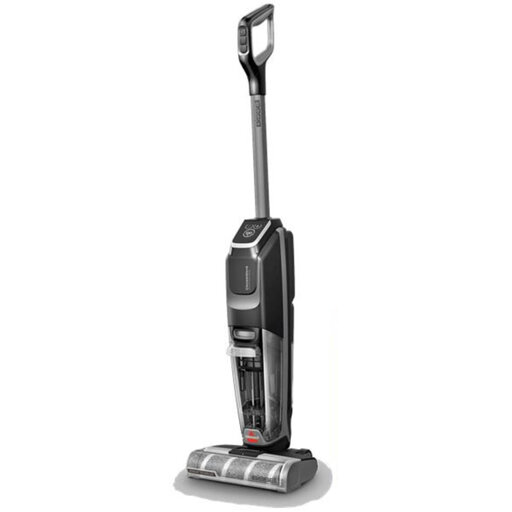
Why This Fits Their Persona: This model is designed for the challenges of a household with pets, from muddy paws to scattered hair and kibble. The anti-tangle brush roll and special cleaning modes make it a practical choice.
The ZeroGap technology tackles the poor edge cleaning pitfall by allowing the brush to clean right up to the baseboard. The self-cleaning cycle is optimised for pet hair and dirt, which reduces odour build-up.
Features a separate 'Power Vac' mode for powerful dry vacuuming only, useful for carpets or dry debris. The 30-minute runtime is realistic for most cleaning sessions.
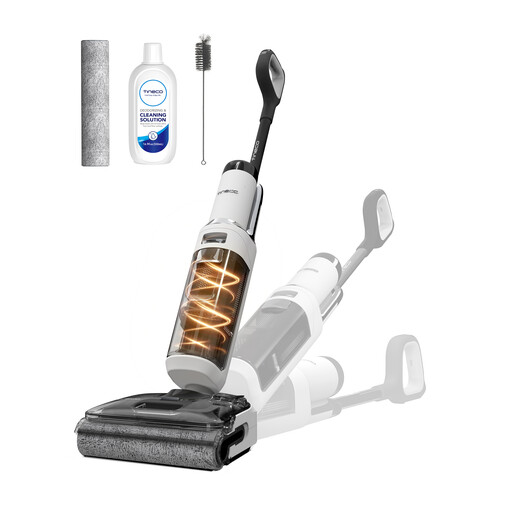
Why This Fits Their Persona: Ideal for those living in a home with lots of low furniture. Its lay-flat design allows it to get under sofas, beds, and cabinets where traditional models get stuck.
The 180° lay-flat design bypasses the hidden design flaw of many bulky devices that can't fit under furniture. The three-sided edge cleaning also effectively tackles dirty edges.
Can lie completely flat (down to 13 cm high) for cleaning under deep furniture. The 40-minute runtime is more than enough for a thorough cleaning session.
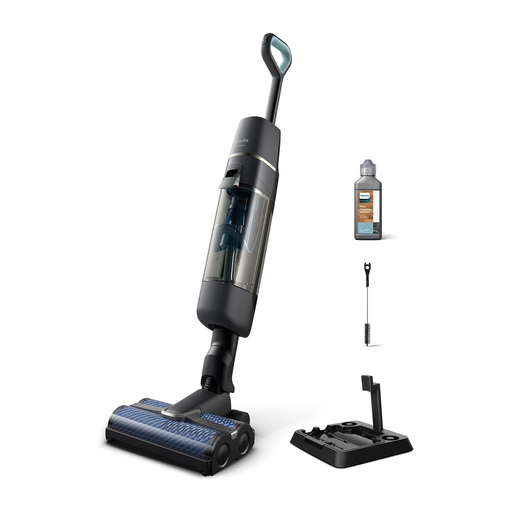
Why This Fits Their Persona: A solid choice from a well-known brand, with a balanced set of features for general hard floor cleaning. Suitable for those looking for a reliable device without needing extreme specifications.
The Aqua Diffusion system effectively contains dirty water, avoiding the pitfall of spreading it around. The automatic brush cleaning tackles the maintenance issue.
According to Philips, the AquaSpin technology with two high-speed brushes ensures a thorough clean. The device has three cleaning modes, including a water absorption mode to dry the floor faster.
We have compiled a complete, up-to-date list of products that meet these strict selection criteria and safety standards.
Yes, most modern devices are safe for sealed hard floors, including parquet and laminate. However, it's important to set the water flow to the lowest setting and not let the device stand still in one spot for too long. To be safe, always check the recommendations from your flooring manufacturer.
This depends on the model and how often you use the device. A good rule of thumb is to check and clean or replace the filters every 3 to 6 months. The brush roll typically lasts longer, but you should replace it if you see clear signs of wear, usually after about a year. Always consult your specific model's manual for the correct intervals.
A good hard floor cleaner doesn't leave the floor soaking wet, but slightly damp. Thanks to the suction function, most of the water is immediately vacuumed up. The floor is typically completely dry within a few minutes, similar to the effect of mopping with a well-wrung-out mop.
