
Vandaag of morgen in huis

Kwaliteit gegarandeerd

Welkomstaanbiedingen ontgrendelen: GRATIS bezorging | Tot 80% korting | Gratis 30 dagen JoyPlus-proefperiode
Download de app
Sunglasses with UV400 protection may sound straightforward to choose, but product pages often use several terms interchangeably. UV400, polarisation, anti-glare, impact-resistant lenses and photochromic lenses describe different features. If you focus only on a dark lens or a low price, you could end up buying a pair that is not well suited to cycling, driving or everyday use.
The main pitfalls are:
For UV400 sunglasses, the designation refers to protection against UV radiation in the range up to 400 nanometres. Check that the manufacturer states this clearly and that information about the lens, coating and compliance is available. A standalone marketing term without technical details gives you less confidence.
Also note the difference between UV400 and 100% UV400. These are claims made by the brand and should be assessed against the product specifications provided. According to Beneunder’s product information, the FD315 and FD421 models block at least 99.8% and 99.9% of UV radiation respectively. These are brand and product claims, not a general guarantee for every model.
Polarised sunglasses can reduce distracting reflections from wet roads, water, glass and metal surfaces, for example. This is useful for cyclists, drivers and outdoor enthusiasts. However, polarisation does not replace UV400 protection.
If you are looking for sunglasses that reduce glare, you should also check:
According to Revoray’s product information, the Y1 series has TAC polarised lenses with stated visible light transmission of approximately 15.2%. This suggests a model designed for bright conditions. For driving in changing light, a lighter lens may be more practical.
Lightweight sunglasses are particularly comfortable when worn for several hours. TR90 is a commonly used plastic frame material which, according to product descriptions, is lightweight and flexible. However, the material alone does not determine whether the sunglasses will fit well. Also check:
For cyclists, a secure fit is more important than a fashionable shape. If you are looking for sunglasses for everyday use or travel, you may place greater value on foldability, a protective case and a modest weight.
Cycling glasses do not need to have the same features as fit-over sunglasses. For glasses wearers, a fit-over model is practical, while travellers may mainly want to save space in their luggage. Photochromic sunglasses can be useful in changing outdoor conditions, but the lens will not become equally dark in every situation. Behind car windows, the amount of UV reaching the lens may be lower.
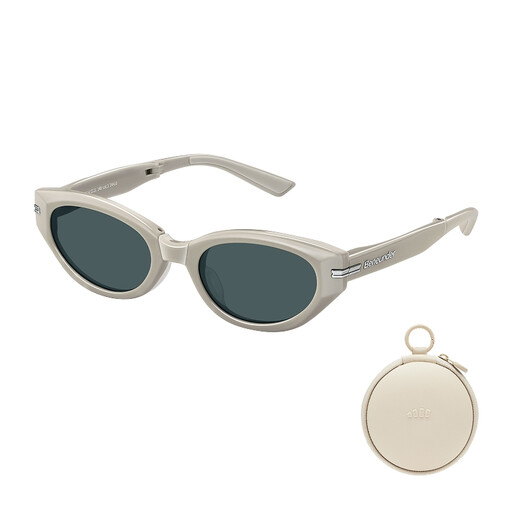
Why it suits this profile: According to the product description, this model combines UV400 protection with a foldable frame. It is therefore suitable for everyday use, a walk or as a compact spare pair when travelling.
The product information mentions not only UV400, but also an OAR coating and specific frame features. Check the size before ordering.
TR90 frame, nylon lenses, air-cushion nose pads and five-point elastic hinges.
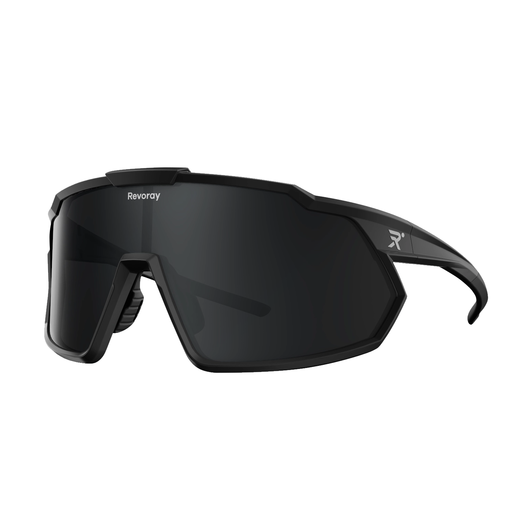
Why it suits this profile: These cycling glasses are designed for road cycling and other outdoor sports. The product information states that they offer UV400 protection, TAC polarisation, an approximately 33-gram TR90 frame and adjustable anti-slip nose pads.
The combination of weight, fit and lens information makes it easier to compare options than simply judging them by their mirrored appearance.
Water- and oil-repellent coating, scratch-resistant layer and a stated ANSI Z87.1 performance test according to the product information.
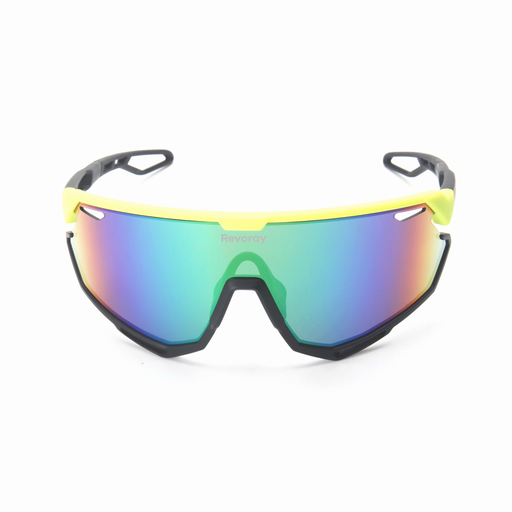
Why it suits this profile: This model is intended for cycling and intensive outdoor activities. The wide integrated PC lens, approximately 30-gram TR90 frame and anti-slip details are designed for movement.
The product description explicitly states the lens material, weight, fit and UV400 protection. This helps you choose sports glasses based on more than appearance alone.
One-piece PC lens, streamlined design, rubber nose pad and anti-slip temples according to the product information.

Why it suits this profile: This fit-over model is designed to be worn over ordinary glasses. According to the product description, it combines polarised lenses with a lightweight plastic frame.
You do not automatically need to have a second pair of prescription sunglasses made. However, check that the dimensions fit over your frame.
Fit-over design, polarised lenses and a lightweight plastic frame for outdoor use.
We have put together a complete, up-to-date list of products that fully meet these strict selection criteria and the applicable European safety regulations.
Choose a lens that allows you to see road signs and dashboard information clearly. Polarised sunglasses can reduce reflections on the road, but check in practice that digital screens remain easy to read. A very dark lens is less suitable for tunnels and low-light conditions.
Foldable sunglasses take up less space. According to the product information, the Beneunder FD421 is a TR90 pair of sunglasses with a tri-fold design, a stated weight of 26 grams and a folded thickness of 35 millimetres. The models are available in several colours. Always use a case and fold the temples carefully to help prevent scratches and damage to the hinges.
According to OutdoorMaster’s product information, photochromic sunglasses adjust their tint from category 0 to category 3 based on UV exposure. This can be useful in changing outdoor conditions. However, check how the glasses respond behind a car windscreen.
Smart sunglasses serve a different purpose from traditional UV400 sunglasses. According to the product information, the Ray-Ban Meta Wayfarer Gen1 features a camera, open-ear speakers, microphones, Bluetooth 5.2 and a charging case, among other features. For products like this, check the lens specifications, battery life, app requirements, privacy settings and compatibility with your smartphone separately.
UV400 refers to protection against UV radiation up to 400 nanometres. Always check the official product specifications and any available compliance information. The colour or price of a pair of sunglasses does not, by itself, prove what level of protection it offers.
This depends on use, materials, scratches and storage. Replace your sunglasses when the lenses are badly damaged, the coating starts to peel or the frame no longer fits securely. Store them in a case and clean the lenses with water and a soft microfibre cloth.
Not always. Polarisation can reduce reflections from wet tarmac, water and metal surfaces. For cycling, UV400 protection, a secure fit, low weight and a good field of vision are also important selection criteria. Look at the overall combination rather than focusing on a single label.
