
Vandaag of morgen in huis

Kwaliteit gegarandeerd

Welkomstaanbiedingen ontgrendelen: GRATIS bezorging | Tot 80% korting | Gratis 30 dagen JoyPlus-proefperiode
Download de app
You don't buy a pair of sunglasses just for the colour or the frame. When you're looking for UV400 sunglasses, you typically want protection from UV rays, less annoying glare, and a style that stays comfortable while cycling, driving or travelling. However, there are a few pitfalls that can make a pair of sunglasses less suitable in practice than the product photos might suggest.
UV400 and polarisation are not the same thing. UV400 refers to the stated protection against UV radiation up to 400 nanometres. A polarised pair of sunglasses is designed to reduce certain reflections and glare, for example from wet roads or water. A pair of glasses can therefore have UV400 protection without polarised lenses, and conversely, you should always check the UV specification separately.
Lightweight sunglasses can be comfortable, but fit and grip are at least as important. When cycling or running, smooth arms, a poorly fitting nose bridge or a frame that is too wide can cause irritation. So also look at adjustable nose pads, anti-slip materials and the width of the frame.
A photochromic pair of sunglasses adjusts its tint based on UV exposure. In a car, this function can be limited because the windscreen blocks some of the UV light. According to the product specification from OutdoorMaster, the lenses may therefore not darken enough inside vehicles. For driving, a standard pair of sunglasses with an appropriate tint is often more predictable.
Look for a clear mention of UV400 or an equivalent protection specification. Also check whether the product page provides information about lens material, coatings and safety warnings. Phrasing such as "blocks 99.9% of UV radiation" is brand or product specific. Treat it as information from the manufacturer and check whether the relevant conformity information is available.
A pair of sunglasses with UV protection is not intended for looking directly at the sun. Even with sports models that have impact-resistant lenses, bear in mind: they are not automatically suitable for grinding, machining or other high-impact activities.
A polarised pair of sunglasses can be useful on the bike, when sailing or when driving on a sunny road. Light transmission, often referred to as VLT, indicates how much visible light passes through the lens. A lower VLT value generally means a darker lens. So check whether the lens is suitable for the conditions in which you'll be wearing them.
Glare-reducing glasses are not always comfortable in low light. Dark lenses can, for example, be inconvenient on a cloudy bike ride or at dusk. For changing conditions, a photochromic lens or a model with interchangeable clear lenses can be more practical.
TR90 is a thermoplastic frame material used in various models. The material is often described in the product information as lightweight, flexible and shape-retaining. However, that doesn't automatically mean every frame will fit every face well.
Pay attention to:
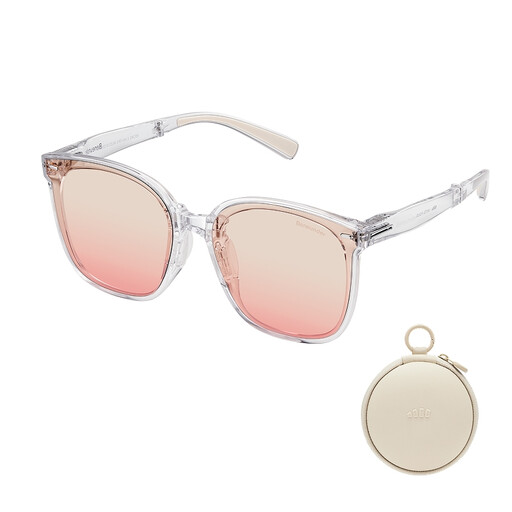
Why this fits the profile: These glasses are designed for daily use, travel and on-the-go wear. According to the product specification, the model weighs 26 grams and folds to approximately 35 mm thickness.
The foldable design means you don't have to carry a large hard case. The product information states UV400 protection and an anti-reflective coating.
TR90 frame, nylon lenses, 26 gram weight and a compact tri-fold design.
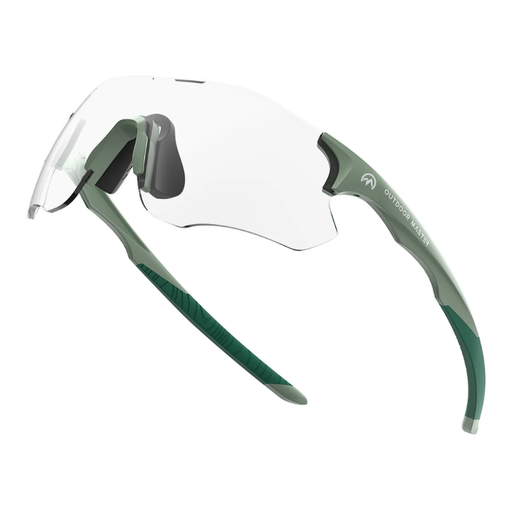
Why this fits the profile: According to the product specification, this model combines photochromic HD lenses with polarisation and is aimed at cyclists and other outdoor activities with changing light conditions.
The stated tint adjustment from Cat.0 to Cat.3 is relevant for transitions between sun and cloud. However, do bear in mind the limited darkening behind car windscreens.
TR90 memory frame, UV400 rating, photochromic lenses and included EVA case.
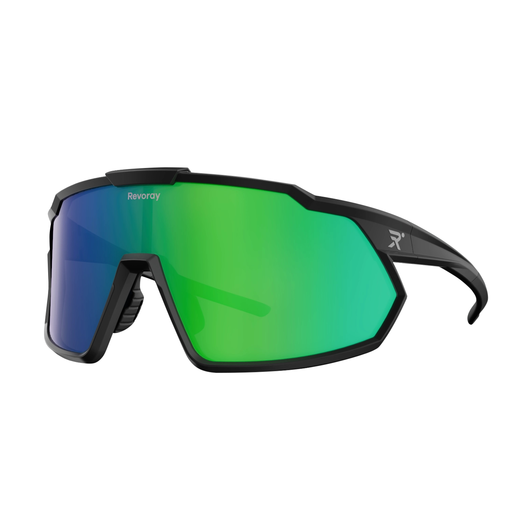
Why this fits the profile: According to the product information, these glasses are developed for cycling, mountain biking and outdoor activities. The adjustable nose pads and anti-slip details are designed for movement.
The product specification states approximately 33 grams, a TAC polarised lens and ANSI Z87.1 impact test information. This makes the features easier to verify than just a general sports claim.
TAC polarisation, approximately 33 grams, adjustable silicone nose pads and water and oil repellent coating.
We've put together a full, up-to-date list of products that fully meet these strict selection criteria and comply with current European safety regulations.
Even UV400 sunglasses need care. Rinse off sand and dust with clean water first before wiping the lenses. Use a soft microfibre cloth and avoid alcohol, harsh cleaning products and rough tissues. Store the glasses in a case and don't leave them in a hot car for long periods.
Replace the glasses when the lenses show deep scratches, cracks or a peeling coating. Damaged lenses can affect your vision. A pair of sports sunglasses with impact-resistant properties is also not automatically suitable as safety eyewear for industrial work.
A model with clearly stated UV400 protection can be chosen for daily outdoor use, as long as the glasses are used correctly and the lenses are undamaged. Also check the fit, lens category and information about conformity.
UV400 is about the stated UV protection. Polarisation is about reducing certain reflections and glare. For cycling, water and sunny roads, both features can be useful, but they don't replace each other.
The lifespan depends on the hinges, coatings, storage and use. A foldable pair of sunglasses should be folded and unfolded gently and stored in a case. Once the lenses are heavily scratched or the frame no longer fits properly, it's wiser to replace them.
