
Vandaag of morgen in huis

Kwaliteit gegarandeerd

Welkomstaanbiedingen ontgrendelen: GRATIS bezorging | Tot 80% korting | Gratis 30 dagen JoyPlus-proefperiode
Download de app
A pair of UV400 sunglasses might seem straightforward to choose at first glance. Yet terms like "polarised", "HD" and "impact-resistant" often cause confusion. A dark lens does not automatically provide good protection against UV radiation, and a lightweight frame may not be secure enough for intensive use.
So pay attention to the information behind the marketing. Check the UV specification, the fit, the lens material and the intended use. This way, you can avoid buying sunglasses that shift after a few bike rides, scratch easily, or simply don't work as well in the car.
The colour of a lens does not in itself indicate how much UV radiation it blocks. Look specifically for UV400 or a similar, clearly stated protection specification. According to the product descriptions of the models below, UV400 refers to protection against UV radiation up to 400 nanometres. Always check the official product specification and any conformity information when making a purchase.
A polarised sunglasses can reduce annoying reflections from water, wet asphalt, glass or snow. However, polarisation and UV protection are different properties. For cycling, fishing, boating or driving, it is therefore worth checking both specifications separately.
A stylish pair of sunglasses can still be impractical if they are too loose, press against your cheeks, or don't fit with a helmet. Sports sunglasses often have rubber anti-slip parts and a wraparound design. For travel, a foldable sunglasses with a protective case can be more convenient.
Choose a model where UV400 protection is clearly stated in the product information. The percentages mentioned vary by model and come from the manufacturer's product description. For example, Beneunder states for several models a blockage of at least 99.8% or 99.9% of UV radiation. These are brand claims and not a general guarantee for every sunglasses model.
Do not use sunglasses for directly looking at the sun or a solar eclipse. Even a lens with UV400 specification is not a substitute for specialised eye protection when welding, grinding or machining.
For everyday use, nylon, TAC, PC and polycarbonate lenses are common choices. A TAC lens is used, for example, in the OutdoorMaster Hawk II; the product description mentions a polarised lens and a polycarbonate coating. The Revoray X3, according to the product information, uses an integrated PC lens with a weight of approximately 30 grams.
An anti-reflective sunglasses can limit reflections on the lens surface. Beneunder mentions an OAR coating for several models. The reduction percentages stated come from the brand's own product information. Therefore, treat them as product specifications and not as universal performance under all conditions.
Pay attention to sizing, especially for sunglasses for driving or prolonged outdoor use. A frame that is too wide can shift; one that is too narrow can cause pressure at the temples. A lightweight pair of sunglasses is more comfortable during long journeys, but must also stay securely in place.
For cycling glasses, the following are also important:
A TR90 sunglasses uses a flexible thermoplastic frame. In the product descriptions of OutdoorMaster, Beneunder and Revoray, TR90 is mentioned as a lightweight and shape-retaining material. The final fit naturally depends on the size and shape of your face.
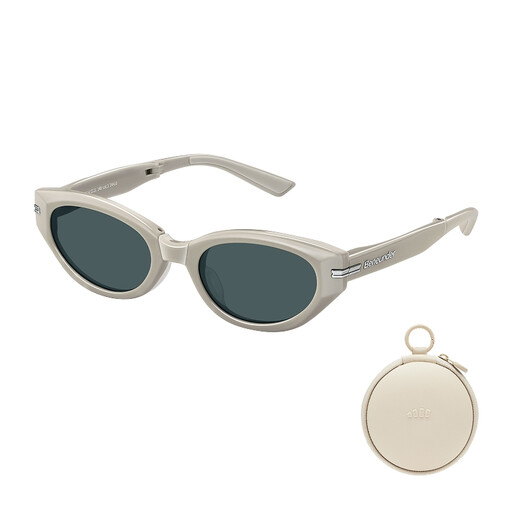
Why this fits the profile: This model combines a foldable design with a lightweight TR90 frame and is suitable for everyday use, short bike rides and travel.
The product description states UV400, an OAR anti-reflective coating and flexible hinges, so you don't have to rely solely on lens colour.
UV400 according to the product information, foldable design and air-cushion nose pads for everyday wearing comfort.

Why this fits the profile: The combination of polarised TAC lenses, UV400 according to the product description and an aerodynamic TR90 frame suits cyclists and active outdoor users.
The product specification mentions both polarisation and UV400 separately. The included case helps protect the lenses from scratches during transport.
Polarised TAC lenses, TR90 memory frame, microfibre cloth, EVA case and lanyard according to the product information.
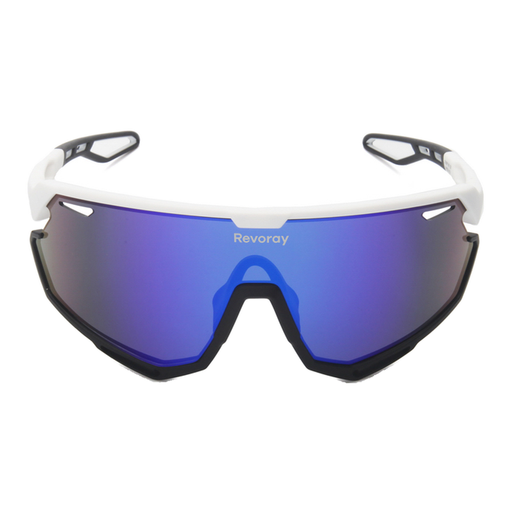
Why this fits the profile: This model is aimed at road cycling, mountain biking and other activities where a stable fit and wide lens are important.
The wraparound PC lens, rubber nose pad and anti-slip temple tips are designed to minimise shifting during movement.
Approximately 30 grams, TR90 frame, integrated PC lens and UV400 according to the stated product specifications.

Why this fits the profile: According to the product description, these sunglasses are designed to be worn over regular glasses, for example when driving, walking or travelling.
You don't need to order a second pair of prescription sunglasses. However, do check the dimensions of your own glasses and the available space under the frame.
Fit-over design, polarised lenses and plastic frame according to the product information.
We have compiled a full, up-to-date list of products that fully meet these strict selection criteria and comply with current European safety regulations.
They can be, but also pay attention to lens colour, light transmission and reflections. A polarised lens can reduce glare from the road surface and dashboards, but may make certain screens less readable. According to the product description, some Beneunder models are intended for driving and everyday use. Always check that you maintain sufficient visibility in tunnels, twilight and changing weather conditions.
The lifespan mainly depends on scratches, heat, drops and how you store the glasses. UV400 is not an expiry date. Replace sunglasses when the lens is damaged, the coating is peeling or the frame is no longer stable. Store the glasses in a case and clean the lens with a soft microfibre cloth.
Yes, there are special sunglasses over glasses, also known as fit-over models, for this purpose. Check the width, height and shape of your glasses before purchasing. A model that is too tight can cause pressure; one that is too large can shift. For everyday use, a good fit is more important than just a dark lens.
