
Vandaag of morgen in huis

Kwaliteit gegarandeerd

Welkomstaanbiedingen ontgrendelen: GRATIS bezorging | Tot 80% korting | Gratis 30 dagen JoyPlus-proefperiode
Download de app
UV400 sunglasses may seem easy to choose at first glance. However, models can vary significantly in lens quality, fit and suitability for cycling, driving or everyday wear. Dark lenses, for example, do not automatically mean your eyes are well protected from UV rays.
Here are some common pitfalls to watch out for:
UV400 refers to protection against UV rays with wavelengths of up to 400 nanometres. When buying, check that this specification is clearly stated in the product information. Also look for information about the CE marking and the applicable European standard for general-purpose sunglasses, such as EN ISO 12312-1, if this is stated for the product.
Lens colour alone tells you little about protection. Grey, brown, blue and pink lenses can all offer UV400 protection, but the way they affect the light you see differs:
Claims about UV blocking come from the relevant product description. Use them to help narrow down your options, and check the full product documentation if you are unsure.
Polarised sunglasses are particularly useful for reducing reflections from water, glass, snow and road surfaces. This makes them a good option for fishing, boating, golf, cycling and driving. Polarisation can reduce glare, but the effect varies depending on the situation and viewing angle.
Sunglasses with anti-glare protection usually have a coating designed to reduce reflections from the lens surface. According to Beneunder’s product information, several models feature an OAR anti-reflective coating. This is a brand or product claim, not a general guarantee that every wearer will have the same visual experience.
According to the product information, photochromic sunglasses adjust their tint in response to UV exposure. This is useful when you cycle from open ground into the shade. Bear in mind that there is a limitation when driving: the windscreen can filter UV rays, so the lenses may not darken as much in the car.
Three things matter when you plan to wear sunglasses for long periods:
Cycling sunglasses and other sunglasses for outdoor activities should also stay in place when you move. An aerodynamic design, non-slip material and a suitable frame width are then more important than appearance alone.
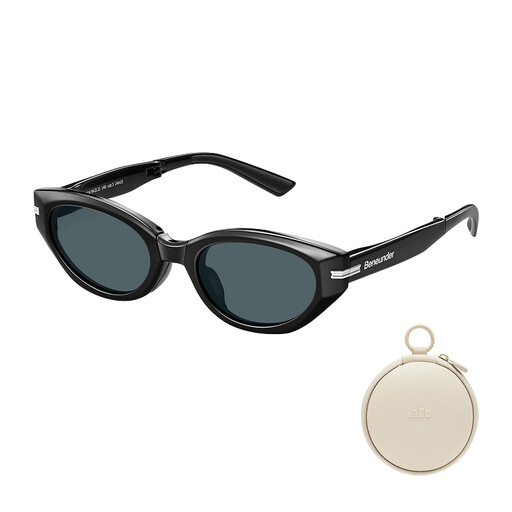
Why it suits this profile: These foldable sunglasses are suitable for everyday wear, travel and commuting. The TR90 frame and cat-eye shape combine portability with a casual look.
The product information specifies UV400 protection and an anti-reflective coating. The foldable design helps prevent the sunglasses from getting damaged when loose in a bag.
TR90 frame, nylon lenses, soft nose pads and temple supports, and a five-point hinge construction, according to the product description.

Why it suits this profile: These sports sunglasses are a good choice for cyclists, runners and anyone looking to reduce glare during outdoor activities.
The product page specifies both UV400 protection and polarised TAC lenses. This means protection and glare reduction are listed separately.
TR90 memory frame, aerodynamic shape, impact-resistant properties and an EVA case included, according to the product information.

Why it suits this profile: This model is designed for cyclists and multisport users who move between sunshine and cloud, and want extra adjustability.
The product information lists photochromic, polarised and UV400 properties separately. However, check that they suit your driving needs and lighting conditions.
TR90 frame, polycarbonate lenses, adjustable nose pads, a weight of 26–29 grams and an insert frame for prescription lenses included, according to the product description.
We’ve put together a complete, up-to-date list of products that meet these strict selection criteria and the applicable European safety regulations.
They can be, provided the lenses offer good visibility and contrast. Polarised sunglasses can reduce reflections from the road surface. Photochromic lenses may not darken as much in the car because the windscreen filters UV rays. When driving, avoid lenses that restrict your vision too much in tunnels, at dusk or in poor weather.
Their lifespan depends on use, hinges, coatings and storage. Scratches can impair your vision and are a reason to replace your sunglasses. Keep cycling sunglasses or lightweight sunglasses in a hard case, clean the lenses with a microfibre cloth, and don’t leave them loose with keys or other hard objects.
No. Start by comparing the objective details: UV400 rating, lens material, polarisation, light transmission, frame width, weight, fit and included accessories. Foldable sunglasses, for example, may offer value mainly because they are easy to carry, while sports models place more emphasis on stability and ventilation. The right choice depends on how you’ll use them, not just on the price.
